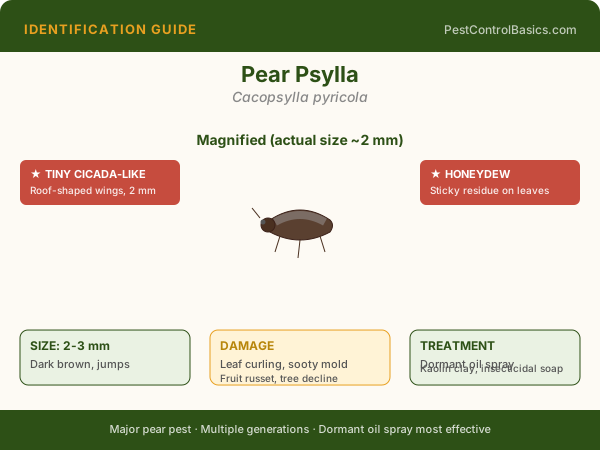
Illustrated identification guide — PestControlBasics.com
🔍 Identification
Adults: 2-3mm; resembles a winged aphid; summer form dark reddish-brown; winter form lighter. Nymphs: flat; oval; found on leaf undersides and shoot tips; surround themselves in honeydew droplets. Damage: massive honeydew production leading to sooty mold covering leaves, fruit, and branches; direct feeding damage causing premature leaf drop; phytoplasma transmission causing 'pear decline' — a fatal vascular disease.
🧬 Biology & Behavior
Four to five generations per year. Adults overwinter on pear bark. Eggs laid on bark and buds in late winter — the dormant oil spray targeting overwintering adults in late winter/early spring is the most impactful single treatment. Nymphs feeding in spring are most susceptible to treatment. By summer, honeydew and sooty mold accumulation creates the visual alarm that often prompts treatment — but earlier, lighter treatment is far more effective.
⚠️ Damage & Health Risk
Massive honeydew and sooty mold accumulation; phytoplasma-mediated pear decline (fatal); premature leaf drop; fruit russet and contamination; economic losses in commercial pear production.
🔧 DIY Treatment
Dormant oil spray in late winter (February-March) at 2% targeting overwintering adults on bark. Kaolin clay on young shoots in spring deters egg-laying. Insecticidal soap on nymph colonies. Spirotetramat (Movento) systemic treatment for severe infestations.
👷 When to Call a Pro
Commercial pear: degree-day guided spray program starting with dormant oil and continuing with insecticidal soap or spirotetramat through the season.