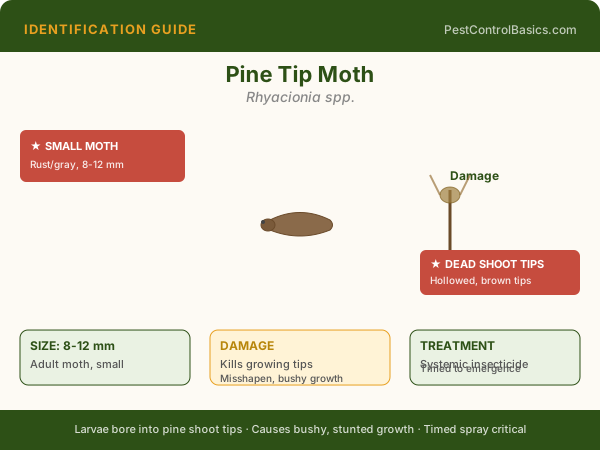
Illustrated identification guide — PestControlBasics.com
🔍 Identification
Adults: 10-15mm; orange-brown moth; rarely seen. Larvae: 10-12mm; brown head, orange-brown body; found inside dead tip shoots when dissected. Damage: dead, brown shoot tips ('flagging') on young pines, especially 1-10 year old trees; affected tips show resin oozing before dying back.
🧬 Biology & Behavior
Multiple generations per year in the South; 1-3 generations in the North. Larvae enter new shoot tips and mine downward, killing the tip. Repeated attack over years causes stunted, bushy trees with many dead tips instead of normal straight leader growth.
⚠️ Damage & Health Risk
Multiple seasons of tip moth damage causes stunted, deformed trees — losing valuable growth time and height. Most damaging on planted loblolly, shortleaf, and Virginia pines in 1-10 year plantations.
🔧 DIY Treatment
Apply permethrin or bifenthrin spray in early spring just as new growth begins (bud break) — targeting adult moths laying eggs. Repeat application during each generation's egg-laying period. Most critical timing: spring application during bud break.
👷 When to Call a Pro
For Christmas tree farms and pine plantations, professional timing based on pheromone trap monitoring provides the most accurate spray timing.