🌲 Balsam Woolly Adelgid

Adelges piceae Β· Hemiptera: Adelgidae

The balsam woolly adelgid has devastated true fir trees across North America β€” a tiny insect causing massive forest losses.

AdelgidHemipteraConiferChristmas TreeInvasiveFir
🌲
Risk Level
Conifer Pest
πŸ”¬
PestControlBasics Editorial Team
Reviewed by Derek Giordano Β· Updated 2026
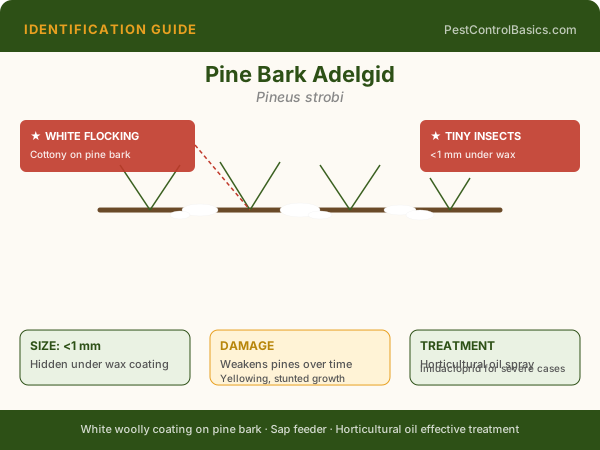
Pine Bark Adelgid identification guide illustration

Illustrated identification guide β€” PestControlBasics.com

πŸ” Identification

Similar to hemlock woolly adelgid: tiny insects (0.5-1mm) covered in white woolly wax. Found on bark of true firs (Abies species) β€” NOT on hemlock. Signs: white woolly patches on bark; smooth round galls (gouting) at twig nodes; abnormal swelling of the main trunk; reddish discoloration of bark. Infestations visible on main trunk β€” distinguishes from HWA which is on needle bases.

🧬 Biology & Behavior

Invasive from Europe; arrived in North America in 1900s. Attacks balsam fir, Fraser fir, subalpine fir β€” all true fir (Abies) species. Cannot survive on hemlock, spruce, or pine. Kills trees by injecting growth-regulating chemicals that cause abnormal woody tissue growth, blocking water and nutrient flow.

⚠️ Damage & Health Risk

Gouting (abnormal swelling) at twig nodes; trunk swelling; crown dieback from top down; tree death in 2-7 years; significant losses in Christmas tree production (Fraser fir) and balsam fir forests in Appalachians.

πŸ”§ DIY Treatment

Insecticidal soap or horticultural oil applied to bark reduces populations. Systemic imidacloprid has limited efficacy for balsam woolly adelgid compared to hemlock woolly adelgid. For Christmas tree farms: dormant oil application in early spring before egg hatch.

πŸ‘· When to Call a Pro

For Christmas tree production, consult your state extension specialist for current treatment recommendations.

❓ FAQ

What's the difference between balsam woolly adelgid and hemlock woolly adelgid?
Balsam woolly adelgid: attacks true firs (Abies) ONLY; white wool on bark; causes trunk swelling. Hemlock woolly adelgid: attacks hemlocks ONLY; white wool at needle bases. They look similar but attack completely different trees β€” confirming your tree species is essential.
Can I save a Christmas tree farm from woolly adelgid?
Treatment with dormant oil before egg hatch in early spring reduces populations significantly on smaller trees accessible by sprayer. Systemic insecticides have more limited efficacy for balsam woolly adelgid than for hemlock woolly adelgid. Consult NC State Extension's Christmas tree IPM resources for current guidance.

πŸ—ΊοΈ Geographic Range & Distribution

FactorDetails
U.S. RangeAll or most U.S. states
Regional DetailDistribution varies β€” consult your local extension service for regional prevalence data.

πŸ“… Treatment Timing Guide

Treating at the right time dramatically improves results. Pest control timed to the life cycle uses less product and achieves better long-term control.

PeriodAction
SpringInspection and perimeter treatment before pest season starts.
SummerActive monitoring and targeted treatments as needed.
FallPreventive treatment before overwintering pests seek entry.

πŸ’° Professional Treatment Costs

Service TypeDIY CostProfessional Cost
Initial inspectionFree (self-inspect)$75–$150 (often credited to treatment)
One-time treatment$30–$100 in materials$150–$500
Annual service contractN/A$400–$900/year
Severe infestationOften ineffective alone$500–$2,500+

Prices vary by region, property size, and infestation severity.

❓ Common Questions About 🌲 Balsam Woolly Adelgid

How do I confirm I actually have this pest (not something similar)?
The most reliable confirmation is a physical specimen β€” capture one and compare to reference images on this page. For cryptic pests (bed bugs, termites), look for secondary signs: frass, shed skins, mud tubes, or bites with a specific pattern. When uncertain, a professional inspection is faster than months of misidentification.
Can I treat this myself or do I need a professional?
DIY is effective for small, accessible infestations caught early. Professionals are worth the cost when: the infestation is inside wall voids or structural elements, multiple rooms are affected, you have health-risk pests (hantavirus, venomous species), or DIY has already failed twice.
How long until the infestation is completely gone?
Expect 3–8 weeks for most infestations with proper treatment. Insects with dormant life stages (pupae, eggs) extend the timeline because those stages are impervious to most insecticides. Follow-up treatments at 2 and 4 weeks catch each new cohort as they emerge.
What's the most common mistake people make treating this pest?
Treating only the visible pest population while ignoring the harborage site, entry point, or breeding location. Killing adults provides temporary relief but the population rebuilds from hidden egg cases, pupae, or new arrivals through unaddressed entry points.
πŸ“š Sources: EPA Termite Guide Β· NPMA Termite Info
Published: Jan 1, 2025 Β· Updated: Apr 7, 2026

πŸ—ΊοΈ US Distribution β€” Balsam Woolly Adelgid & Pine Bark Adelgid

image/svg+xml
Common Occasional Not Present
States Present
49
Occasional
2
Primary Region
Continental US
πŸ“Š Source: University extension services, USDA, CDC vector data, and published entomological surveys.