πŸ¦— Sand Flea / Beach Flea

Tunga penetrans / Orchestia spp. Β· Multiple

'Sand flea' is one of the most confusing pest names in entomology β€” it refers to both a harmless beach crustacean and a dangerous tropical flea that burrows into skin.

FleaTropicalChigoeBeachTungaParasite
πŸ¦—
Risk Level
Painful / Disease Risk
πŸ”¬
PestControlBasics Editorial Team
Reviewed by Derek Giordano Β· Updated 2026
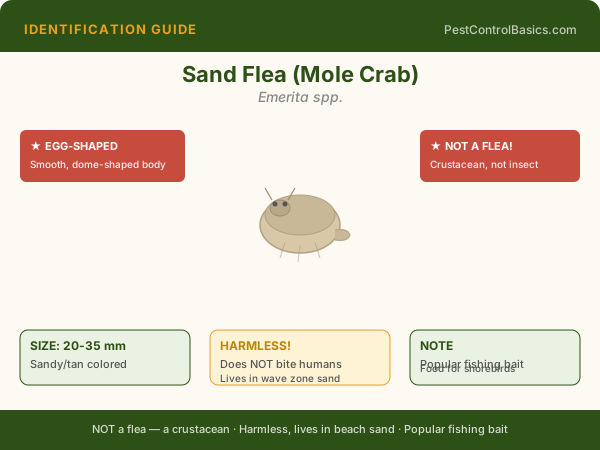
Sand Flea identification guide illustration

Illustrated identification guide β€” PestControlBasics.com

πŸ” Identification

Beach Sand Flea / Sand Hopper (Orchestia spp.): Tiny (5-20mm) amphipod crustaceans β€” NOT insects β€” that hop in beach sand and kelp wrack. They don't bite or burrow. They're decomposers. Found on all US beaches. The 'flea' name comes from their jumping behavior.

Chigoe Flea (Jigger) (Tunga penetrans): A true flea; 1mm; found in tropical areas (Caribbean, Central/South America, Africa, India). Females burrow into skin (usually feet) and lay eggs while embedded β€” causing painful lesions that can become infected. NOT found naturally in the US.

🧬 Biology & Behavior

Beach sand fleas: entirely harmless decomposers in coastal ecosystems. Chigoe fleas: tropical parasite, a genuine medical concern in tropical travel destinations. The two organisms share only a name β€” they're unrelated.

⚠️ Damage & Health Risk

Beach sand flea: none. Chigoe flea: painful embedded lesions in feet and toes, secondary bacterial infection, potential loss of toenails or toes if untreated.

πŸ”§ DIY Treatment

Beach sand fleas: no treatment needed. Chigoe flea (travel-acquired): seek medical attention for embedded lesion removal β€” don't attempt self-removal without proper technique. Prevention in tropical areas: wear closed shoes in sandy areas, especially in Africa and Caribbean.

πŸ‘· When to Call a Pro

Chigoe flea lesions that appear infected or multiple embedded fleas require medical attention.

❓ FAQ

Are beach sand fleas harmful?
No β€” beach sand fleas (amphipod crustaceans) are harmless scavengers that eat decomposing organic material on beaches. They can jump and may land on you but don't bite or burrow. They're an important part of the beach ecosystem.
How do I know if I have a chigoe flea?
Chigoe flea lesions appear as a white circular spot with a dark center on the sole of the foot or between toes, developing within 1-2 weeks of exposure in tropical areas. They're increasingly painful as the embedded female swells with eggs. If you've traveled to tropical areas and have such a lesion, see a doctor.

πŸ—ΊοΈ Geographic Range & Distribution

FactorDetails
U.S. RangeAll 50 states
Regional DetailPeak pressure in Southeast and Gulf Coast. Active April–October in most regions. Year-round problem in warm coastal climates.

πŸ“… Treatment Timing Guide

Treating at the right time dramatically improves results. Pest control timed to the life cycle uses less product and achieves better long-term control.

PeriodAction
March–AprilBegin monthly yard treatments before flea season starts.
May–SeptemberPeak season β€” maintain pet treatments and indoor IGR.
OctoberFinal indoor and yard treatment to kill remaining populations.

πŸ’° Professional Treatment Costs

Service TypeDIY CostProfessional Cost
Initial inspectionFree (self-inspect)$75–$150 (often credited to treatment)
One-time treatment$30–$100 in materials$150–$500
Annual service contractN/A$400–$900/year
Severe infestationOften ineffective alone$500–$2,500+

Prices vary by region, property size, and infestation severity.

❓ Common Questions About πŸ¦— Sand Flea / Beach Flea

How do I confirm I actually have this pest (not something similar)?
The most reliable confirmation is a physical specimen β€” capture one and compare to reference images on this page. For cryptic pests (bed bugs, termites), look for secondary signs: frass, shed skins, mud tubes, or bites with a specific pattern. When uncertain, a professional inspection is faster than months of misidentification.
Can I treat this myself or do I need a professional?
DIY is effective for small, accessible infestations caught early. Professionals are worth the cost when: the infestation is inside wall voids or structural elements, multiple rooms are affected, you have health-risk pests (hantavirus, venomous species), or DIY has already failed twice.
How long until the infestation is completely gone?
Expect 3–8 weeks for most infestations with proper treatment. Insects with dormant life stages (pupae, eggs) extend the timeline because those stages are impervious to most insecticides. Follow-up treatments at 2 and 4 weeks catch each new cohort as they emerge.
What's the most common mistake people make treating this pest?
Treating only the visible pest population while ignoring the harborage site, entry point, or breeding location. Killing adults provides temporary relief but the population rebuilds from hidden egg cases, pupae, or new arrivals through unaddressed entry points.

πŸ“š More on This Topic

Related guides and profiles:

πŸ”— FleasπŸ”— Flea Life Cycle β€” The 95% Problem You're MissingπŸ”— πŸ¦— Cat FleaπŸ”— How to Eliminate Fleas From Your Home Permanently
πŸ“š Sources: EPA Flea Control Β· CDC Flea-Borne Diseases
Published: Jan 1, 2025 Β· Updated: Apr 7, 2026

πŸ—ΊοΈ US Distribution β€” Sand Flea (Chigoe Flea) vs Beach Sand Flea

image/svg+xml
Common Occasional Not Present
States Present
51
Occasional
0
Primary Region
All 50 states
πŸ“Š Source: University extension services, USDA, CDC vector data, and published entomological surveys.