πŸ¦— Oriental Rat Flea

Xenopsylla cheopis Β· Siphonaptera: Pulicidae

The oriental rat flea killed a third of Europe's population during the Black Death. It still transmits plague in the US today. Rat control is plague prevention.

FleaDisease VectorPlagueRatPublic HealthXenopsylla
πŸ¦—
Risk Level
Disease Vector
πŸ”¬
PestControlBasics Editorial Team
Reviewed by Derek Giordano Β· Updated 2026
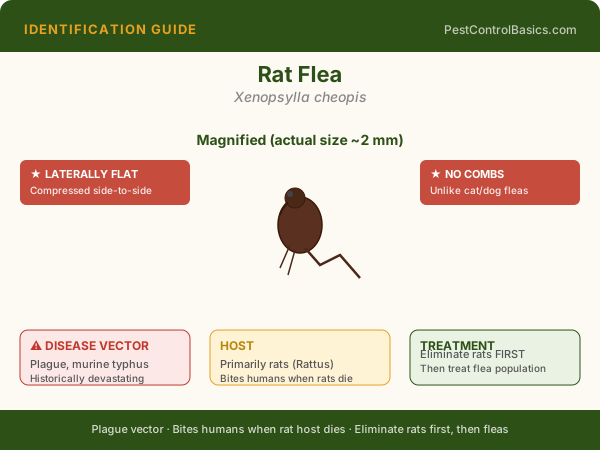
Rat Flea identification guide illustration

Illustrated identification guide β€” PestControlBasics.com

πŸ” Identification

2-3mm; laterally compressed; reddish-brown; no genal comb (unlike cat flea); very long jumping legs. Found specifically on Norway rats and roof rats β€” primarily a rat parasite that bites humans only when its rat host is dead or absent. This is the critical epidemiological point: plague transmission to humans increases when rats die (from plague) and their fleas seek new hosts.

🧬 Biology & Behavior

The oriental rat flea is the primary vector of Yersinia pestis (bubonic plague) worldwide. When plague kills rats, fleas leave the dead host and seek warm-blooded alternatives β€” including humans. This is why historical plague outbreaks began with rat die-offs followed by human cases. In the western US, ground squirrel fleas (Oropsylla montana) are the primary plague vector, but Xenopsylla cheopis remains relevant globally and in rat-infested urban areas with international trade connections.

⚠️ Damage & Health Risk

Plague transmission (rare but serious β€” untreated bubonic plague has 30-60% mortality); murine typhus transmission (Rickettsia typhi); flea bites causing secondary infection.

πŸ”§ DIY Treatment

Rat control is the primary intervention β€” eliminating rat hosts eliminates the flea problem. Standard rat control: snap traps, exclusion, bait stations. If conducting rat removal in areas with potential plague risk (proximity to known plague areas): wear gloves, apply permethrin flea spray to the area before handling dead rats, do not handle dead rats with bare hands.

πŸ‘· When to Call a Pro

In areas with confirmed plague activity, the CDC and local health departments coordinate rat control and provide guidance on personal protection.

❓ FAQ

Is plague still a concern in the US?
Yes β€” bubonic plague is endemic in the western US, primarily carried by ground squirrel and prairie dog fleas. Approximately 7 human cases occur annually in the US, primarily in New Mexico, Arizona, Colorado, and California. Urban plague (involving rats and their fleas) is extremely rare in the US today but remains a concern in parts of Africa and Asia.
What should I do if I find dead rats?
Use gloves before touching any dead rodent. If in an area known for plague activity (rural western US), apply an insect repellent containing DEET to your clothing before handling, and apply permethrin dust to the carcass area to kill any fleas before disturbing the area. Report rat die-offs near your property to your local health department.

πŸ“š More on This Topic

Related guides and profiles:

πŸ”— FleasπŸ”— Flea Life Cycle β€” The 95% Problem You're MissingπŸ”— πŸ¦— Cat FleaπŸ”— How to Eliminate Fleas From Your Home Permanently
🧪 Recommended Treatment Products
Flea Treatment Guide Methoprene IGR Beneficial Nematodes Permethrin Rodenticide Comparison
Full product guides with mixing rates and safety info. → Browse All 130 Pesticide Guides
🔗 Related Pests
Sand Flea Fleas Flea Sand Beach
Compare similar pests to confirm your identification. → Use our ID Flowchart
πŸ“š Sources: EPA Flea Control Β· CDC Flea-Borne Diseases
Published: Jan 1, 2025 Β· Updated: Apr 7, 2026

πŸ—ΊοΈ US Distribution β€” Oriental Rat Flea

image/svg+xml
Common Occasional Not Present
States Present
51
Occasional
0
Primary Region
All 50 states
πŸ“Š Source: University extension services, USDA, CDC vector data, and published entomological surveys.