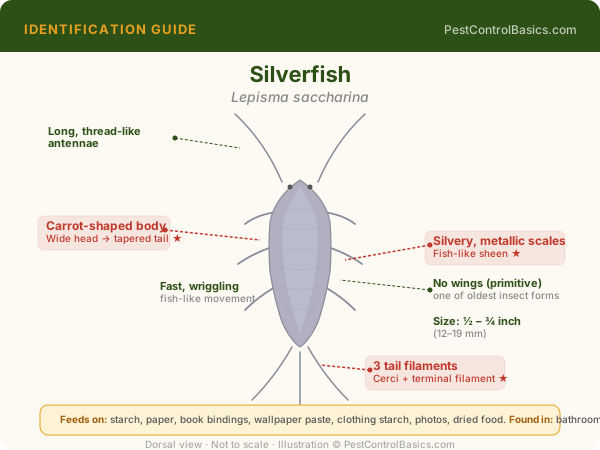
Original illustration by PestControlBasics.com. Use anatomical labels above to confirm your identification.
🔍 Identification
Adults: 13-25mm; silver-grey; teardrop shape tapering to 3 tail filaments; moves with fish-like wriggling motion (the source of the common name); no wings; extremely fast over short distances. Found in: bookshelves, bathroom cabinets, closets, and anywhere paper or starch products are stored. Cannot fly, cannot bite, and live 2-8 years.
🧬 Biology & Behavior
Silverfish eat: paper (especially old books, magazines, newspapers), starch in wallpaper paste, sizing in photo prints, cardboard, cotton and linen fabrics, dried food starch, and glue in book bindings. Damage is slow but cumulative — irregular yellow staining and surface grazing on paper edges, irregular holes in starchy paper. They require high humidity (70-80%+) and are excellent moisture indicators.
⚠️ Damage & Health Risk
Slow damage to paper archives, book collections, photos, and wallpaper; fabric damage; contamination of dried goods; indicator of chronic moisture problem.
🔧 DIY Treatment
Dehumidifier reducing humidity below 50% — the most impactful treatment. CimeXa dust in wall voids and along baseboards kills them on contact. Bifenthrin spray along baseboards. Store vulnerable books and photos in sealed containers. Sticky traps for monitoring.
👷 When to Call a Pro
For severe library or archive infestations: professional void treatment with desiccant dusts throughout the structure.