πŸ•·οΈ Brown Recluse Spider

Loxosceles reclusa Β· Araneae: Sicariidae

Brown recluse diagnoses are wildly over-assigned β€” many skin conditions blamed on recluse bites have never had a confirmed spider. Here's the real distribution and actual risk.

SpiderVenomousSicariidaeBrown RecluseNecrotic BiteCentral US
πŸ•·οΈ
Risk Level
Venomous Spider
πŸ“ FIELD GUIDE ILLUSTRATION
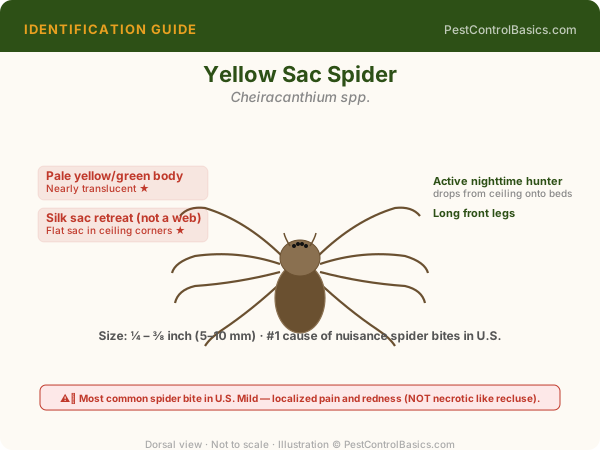
Yellow Sac Spider (Cheiracanthium spp.) identification illustration with labeled anatomical features β€” PestControlBasics.com

Original illustration by PestControlBasics.com. Use anatomical labels above to confirm your identification.
πŸ“ FIELD GUIDE ILLUSTRATION
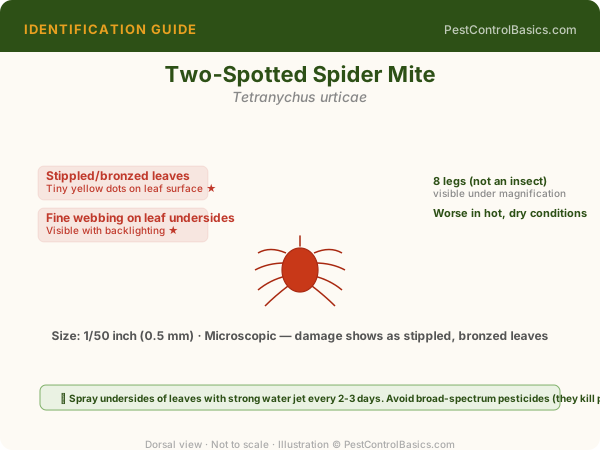
Spider Mite (Tetranychidae) identification illustration with labeled anatomical features β€” PestControlBasics.com

Original illustration by PestControlBasics.com. Use anatomical labels above to confirm your identification.
πŸ“ FIELD GUIDE ILLUSTRATION
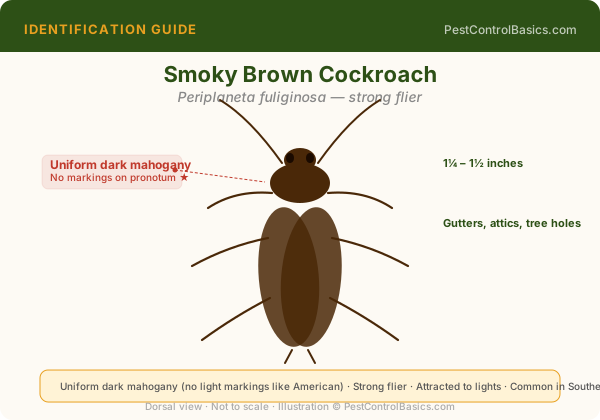
Smoky Brown Cockroach (Periplaneta fuliginosa) identification illustration with labeled anatomical features β€” PestControlBasics.com

Original illustration by PestControlBasics.com. Use anatomical labels above to confirm your identification.
πŸ“ FIELD GUIDE ILLUSTRATION
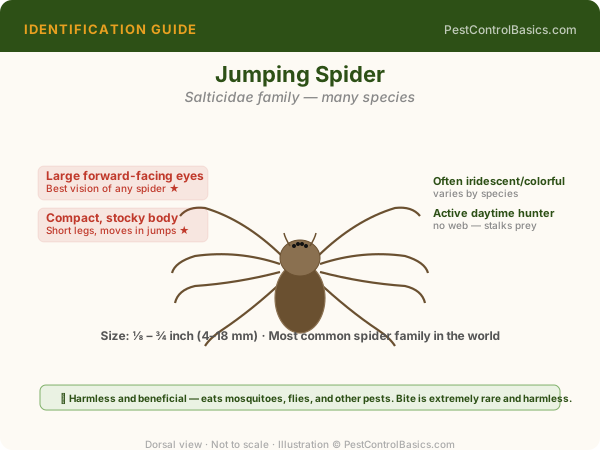
Jumping Spider (Salticidae) identification illustration with labeled anatomical features β€” PestControlBasics.com

Original illustration by PestControlBasics.com. Use anatomical labels above to confirm your identification.
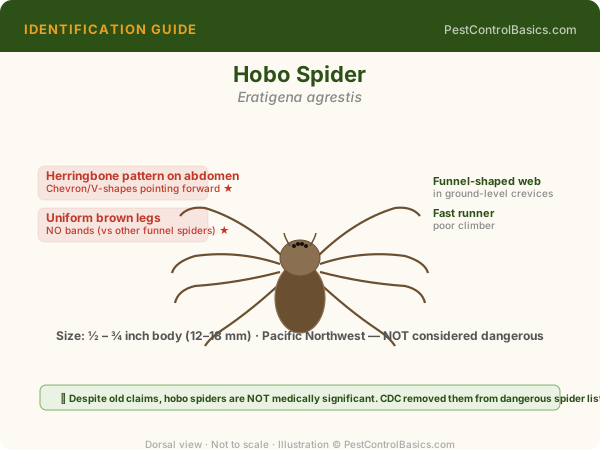
πŸ“ FIELD GUIDE ILLUSTRATION
Hobo Spider (Eudioptilus agrestis) identification illustration with labeled anatomical features β€” PestControlBasics.com

Original illustration by PestControlBasics.com. Use anatomical labels above to confirm your identification.
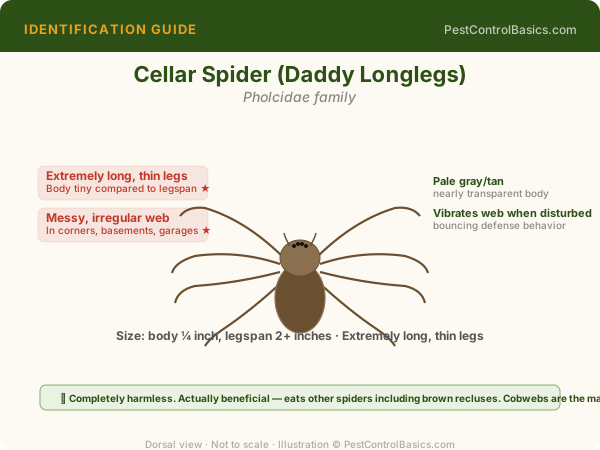
πŸ“ FIELD GUIDE ILLUSTRATION
Cellar Spider (Pholcidae) identification illustration with labeled anatomical features β€” PestControlBasics.com

Original illustration by PestControlBasics.com. Use anatomical labels above to confirm your identification.
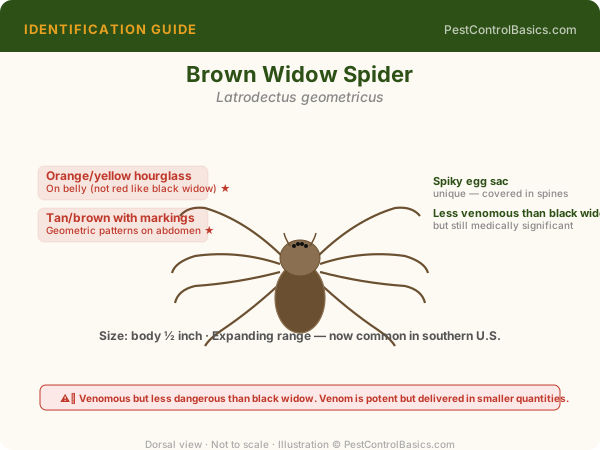
πŸ“ FIELD GUIDE ILLUSTRATION
Brown Widow (Latrodectus geometricus) identification illustration with labeled anatomical features β€” PestControlBasics.com

Original illustration by PestControlBasics.com. Use anatomical labels above to confirm your identification.
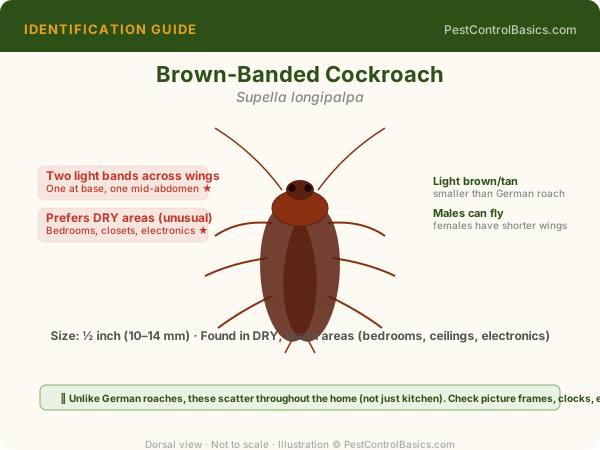
πŸ“ FIELD GUIDE ILLUSTRATION
Brown Banded Cockroach (Supella longipalpa) identification illustration with labeled anatomical features β€” PestControlBasics.com

Original illustration by PestControlBasics.com. Use anatomical labels above to confirm your identification.
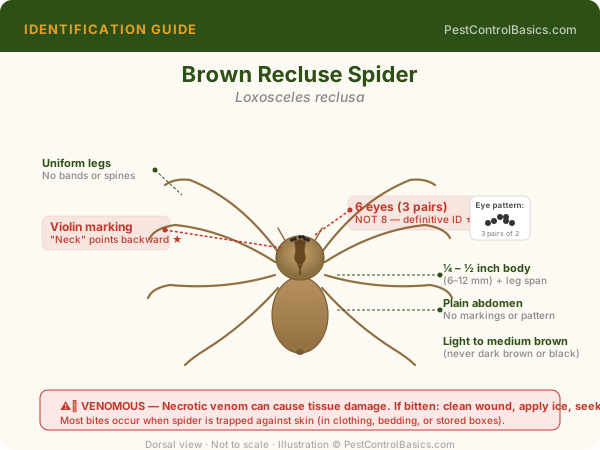
πŸ“ FIELD GUIDE ILLUSTRATION
Brown recluse spider (Loxosceles reclusa) identification illustration with labeled anatomical features β€” PestControlBasics.com

Original illustration by PestControlBasics.com. Use anatomical labels above to confirm your identification. For photo references, see the identification section below.

πŸ”¬
PestControlBasics Editorial Team
Reviewed by Derek Giordano Β· Updated 2026

πŸ” Identification

Adults: 8-12mm body; uniformly tan to brown; violin-shaped marking on cephalothorax (pointing toward abdomen); 6 eyes in 3 pairs of 2 (most spiders have 8 eyes in 4 pairs of 2) β€” requires magnification to confirm. Builds irregular, sticky webs in protected, dry, undisturbed areas: closets, boxes, under furniture, in garages. Shy and non-aggressive.

🧬 Biology & Behavior

Verified range: Oklahoma, Kansas, Missouri, Arkansas, Tennessee, Alabama, Georgia, and south into Texas. VERY LIMITED in: California (L. deserta in desert areas only), Illinois (very southern only). NOT PRESENT: Pacific Northwest, Great Plains, Northeast. Physicians in non-endemic states frequently misdiagnose MRSA, other skin infections, and spider bites from other species as 'brown recluse.'

⚠️ Damage & Health Risk

Most bites are minor and self-healing. A minority cause necrotic (tissue-destroying) wounds that are slow to heal. Systemic reactions are rare but more serious in children and elderly. The wound itself is the medical concern, not venom toxicity to the whole body (unlike black widow).

πŸ”§ DIY Treatment

Reduce clutter (eliminated undisturbed areas). Sticky glue traps in closets, corners, and under furniture detect and trap recluses. Seal cracks in walls. Shake clothing and shoes before wearing if stored in areas where recluses could hide.

πŸ‘· When to Call a Pro

For confirmed infestations: professional application of residual spray (bifenthrin) to all corners, closets, and undisturbed areas combined with glue trap monitoring.

❓ FAQ

Are there brown recluses in California?
Loxosceles reclusa is not established in California. A related species (L. deserta, desert recluse) lives in desert areas of southern California and is rarely encountered. The vast majority of 'brown recluse bites' diagnosed in California are other conditions β€” MRSA is frequently misdiagnosed as a recluse bite.
How do I tell a brown recluse from other brown spiders?
The violin marking is commonly cited but not unique to recluses β€” other spiders have similar markings. The most reliable field ID: 6 eyes in 3 pairs of 2 (requires 10x magnification). For practical purposes: if you're not in the verified range (central/south-central US), it's almost certainly not a recluse.
πŸ“š Sources: CDC Venomous Spiders Β· EPA Safe Pest Control
Published: Jan 1, 2025 Β· Updated: Apr 7, 2026

πŸ—ΊοΈ US Distribution β€” Brown Recluse Spider

image/svg+xml
Common Occasional Not Present
States Present
16
Occasional
10
Primary Region
South-Central & Midwest
πŸ“Š Source: University extension services, USDA, CDC vector data, and published entomological surveys.