πŸ•·οΈ Brown Recluse β€” Actual Verified Range

Loxosceles reclusa Β· Araneae: Sicariidae

The brown recluse is one of the most feared and most misidentified spiders in North America. Here's where it actually lives β€” and where it almost certainly doesn't.

SpiderBrown RecluseRange MapVenomousMisidentificationAraneae
πŸ•·οΈ
Risk Level
Venomous β€” Range Limited
πŸ“ FIELD GUIDE ILLUSTRATION
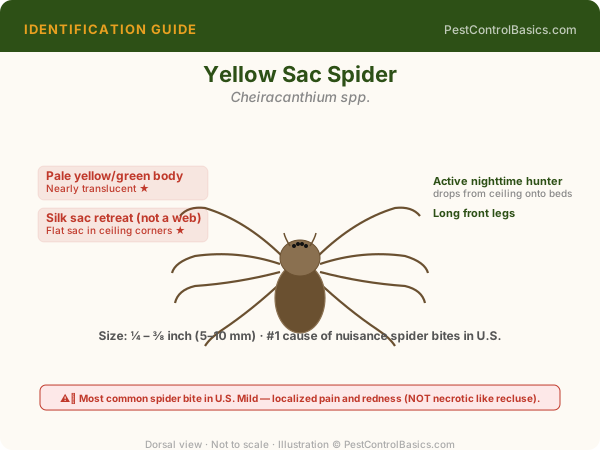
Yellow Sac Spider (Cheiracanthium spp.) identification illustration with labeled anatomical features β€” PestControlBasics.com

Original illustration by PestControlBasics.com. Use anatomical labels above to confirm your identification.
πŸ“ FIELD GUIDE ILLUSTRATION
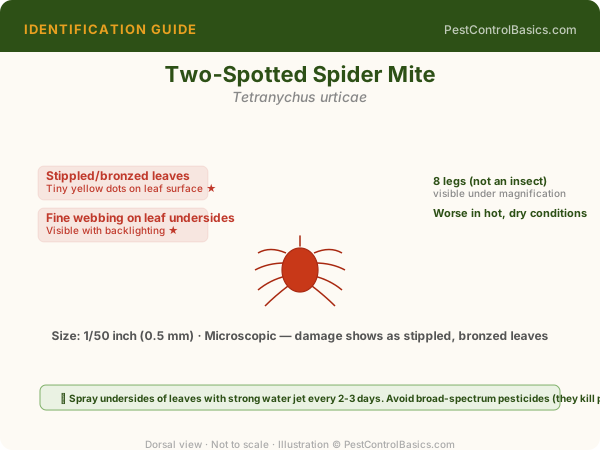
Spider Mite (Tetranychidae) identification illustration with labeled anatomical features β€” PestControlBasics.com

Original illustration by PestControlBasics.com. Use anatomical labels above to confirm your identification.
πŸ“ FIELD GUIDE ILLUSTRATION
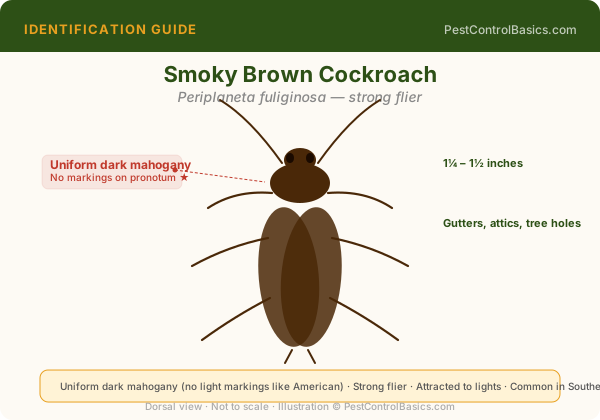
Smoky Brown Cockroach (Periplaneta fuliginosa) identification illustration with labeled anatomical features β€” PestControlBasics.com

Original illustration by PestControlBasics.com. Use anatomical labels above to confirm your identification.
πŸ“ FIELD GUIDE ILLUSTRATION
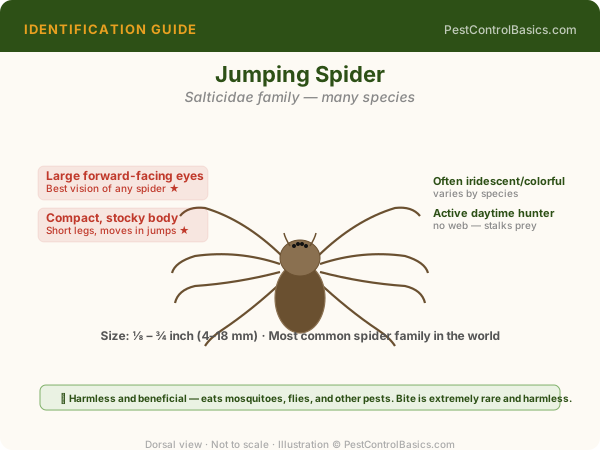
Jumping Spider (Salticidae) identification illustration with labeled anatomical features β€” PestControlBasics.com

Original illustration by PestControlBasics.com. Use anatomical labels above to confirm your identification.
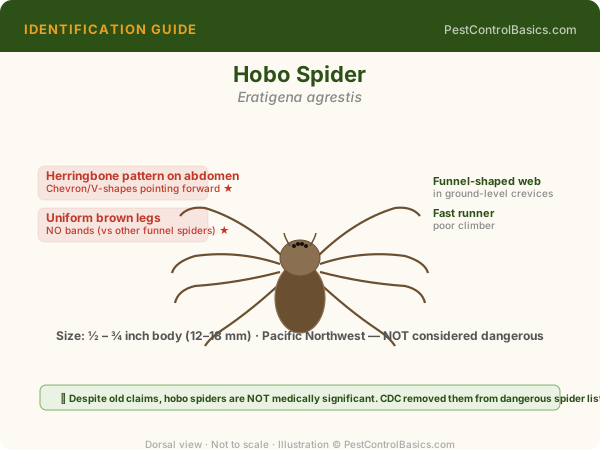
πŸ“ FIELD GUIDE ILLUSTRATION
Hobo Spider (Eudioptilus agrestis) identification illustration with labeled anatomical features β€” PestControlBasics.com

Original illustration by PestControlBasics.com. Use anatomical labels above to confirm your identification.
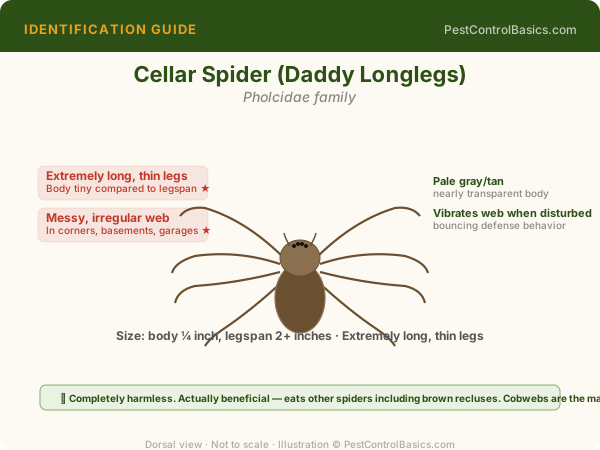
πŸ“ FIELD GUIDE ILLUSTRATION
Cellar Spider (Pholcidae) identification illustration with labeled anatomical features β€” PestControlBasics.com

Original illustration by PestControlBasics.com. Use anatomical labels above to confirm your identification.
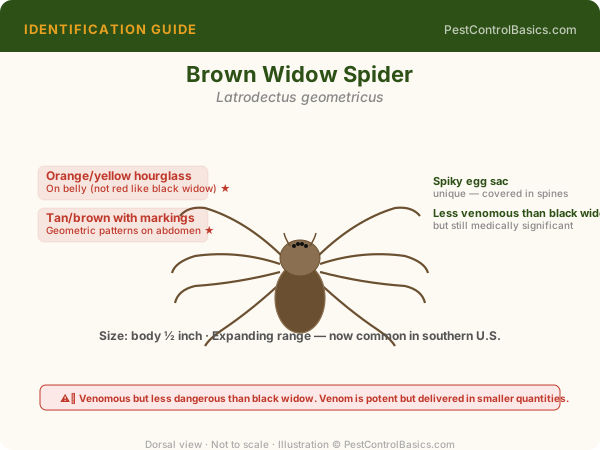
πŸ“ FIELD GUIDE ILLUSTRATION
Brown Widow (Latrodectus geometricus) identification illustration with labeled anatomical features β€” PestControlBasics.com

Original illustration by PestControlBasics.com. Use anatomical labels above to confirm your identification.
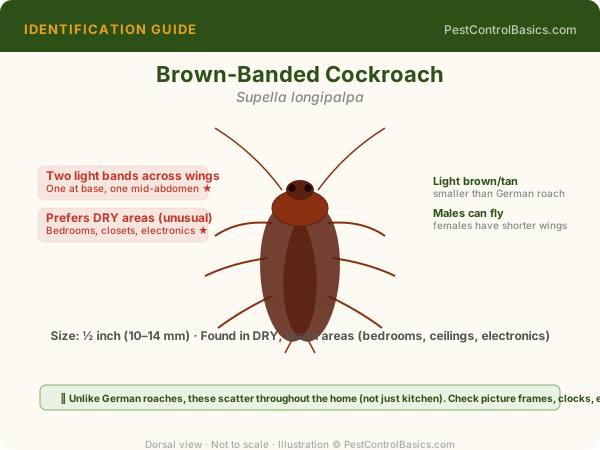
πŸ“ FIELD GUIDE ILLUSTRATION
Brown Banded Cockroach (Supella longipalpa) identification illustration with labeled anatomical features β€” PestControlBasics.com

Original illustration by PestControlBasics.com. Use anatomical labels above to confirm your identification.

πŸ”¬
PestControlBasics Editorial Team
Reviewed by Derek Giordano Β· Updated 2026

πŸ” Identification

The verified range of L. reclusa is surprisingly limited: central US states β€” primarily Texas, Oklahoma, Kansas, Missouri, Arkansas, Louisiana, Mississippi, Alabama, Kentucky, Tennessee, Illinois, Indiana, and Ohio. It's NOT established in: California, the Pacific Coast, the Northeast (New England, New York, New Jersey), Florida (except in specific infestation situations), Colorado, and most mountain west states.

Identification features that set it apart from the hundreds of brown spiders people misidentify: 6 eyes in 3 pairs of 2 (most spiders have 8 eyes); violin-shaped marking on cephalothorax (requires good lighting/magnification); uniformly colored abdomen with no spots.

🧬 Biology & Behavior

True recluse populations are consistently found in undisturbed stored items, inside cardboard boxes, under furniture, and in dark basement areas. They're remarkably non-aggressive β€” most bites occur when someone rolls onto one in bed or puts on clothing stored with the spider inside.

⚠️ Damage & Health Risk

Potential necrotic bite in severe cases (though most bites are minor). The 'recluse bite' diagnosis is massively overused β€” many 'brown recluse bites' are actually infections, MRSA, chemical burns, or bites from other spiders.

πŸ”§ DIY Treatment

In the actual recluse range: reduce clutter and cardboard storage. Apply CimeXa or bifenthrin in harbotage areas. Wear gloves when accessing stored items. Outside the range: don't diagnose a 'brown recluse bite' β€” verify species presence first.

πŸ‘· When to Call a Pro

For homes in the core recluse range with consistent sightings, professional inspection and targeted treatment is recommended.

❓ FAQ

I live in California β€” do I have brown recluses?
Almost certainly not. L. reclusa is not established in California β€” confirmed specimens are extremely rare and usually represent transported individuals, not breeding populations. Several native California spiders are brown and are frequently misidentified as recluses. The desert recluse (L. deserta) exists in desert Southwest but is not the same species and has a different distribution.
How do I confirm a brown recluse identification?
You need: 6 eyes in 3 pairs (requires magnification); violin marking (on the cephalothorax, not the abdomen); uniformly tan/brown abdomen with no markings or spots. All three together = very high confidence. Or submit a specimen to your local university extension entomologist for definitive ID.
πŸ“š Sources: CDC Venomous Spiders Β· EPA Safe Pest Control
Published: Jan 1, 2025 Β· Updated: Apr 7, 2026

πŸ—ΊοΈ US Distribution β€” Brown Recluse Verified Range

image/svg+xml
Common Occasional Not Present
States Present
16
Occasional
10
Primary Region
South-Central & Midwest
πŸ“Š Source: University extension services, USDA, CDC vector data, and published entomological surveys.