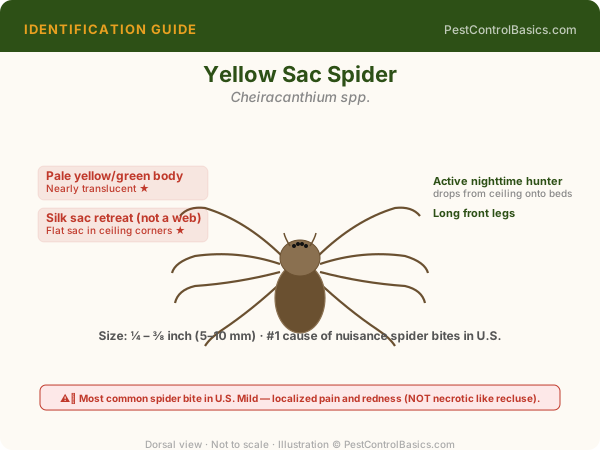
Original illustration by PestControlBasics.com. Use anatomical labels above to confirm your identification.
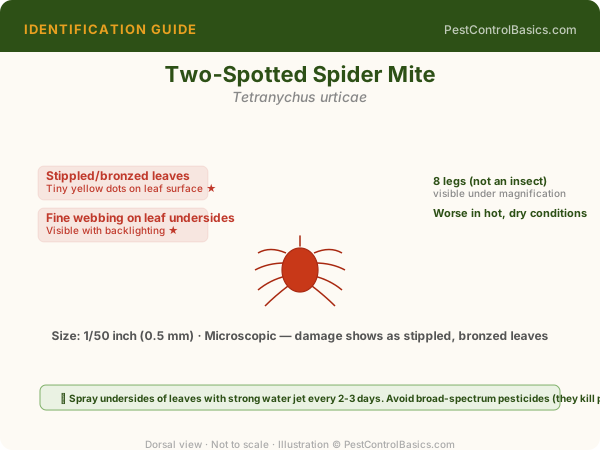
Original illustration by PestControlBasics.com. Use anatomical labels above to confirm your identification.
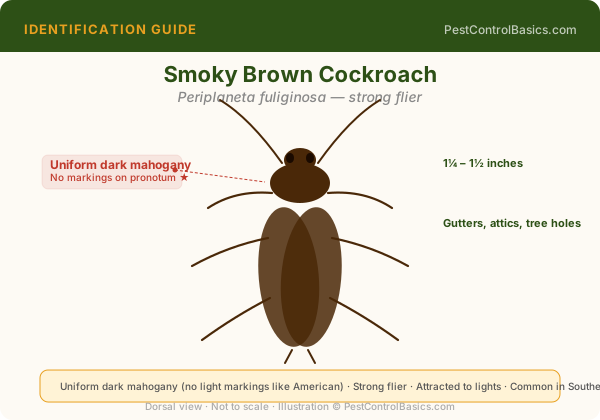
Original illustration by PestControlBasics.com. Use anatomical labels above to confirm your identification.
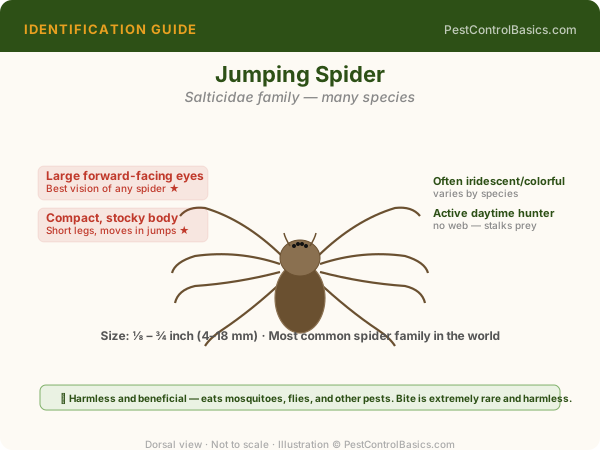
Original illustration by PestControlBasics.com. Use anatomical labels above to confirm your identification.
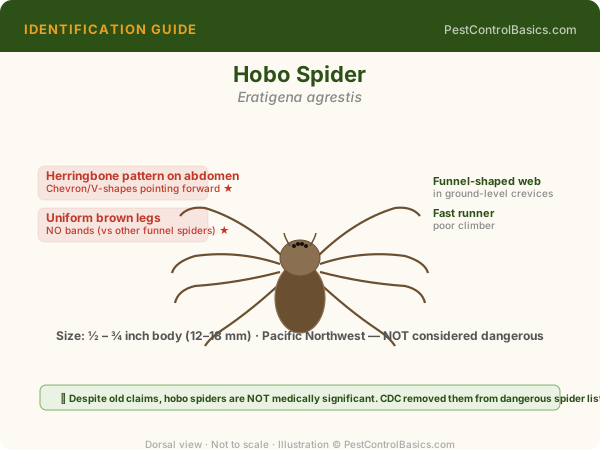
Original illustration by PestControlBasics.com. Use anatomical labels above to confirm your identification.
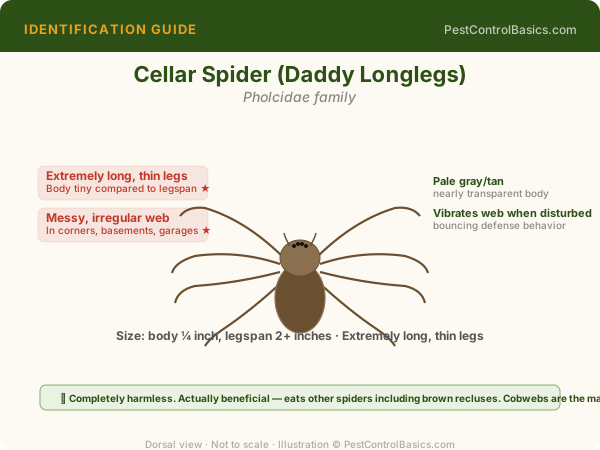
Original illustration by PestControlBasics.com. Use anatomical labels above to confirm your identification.
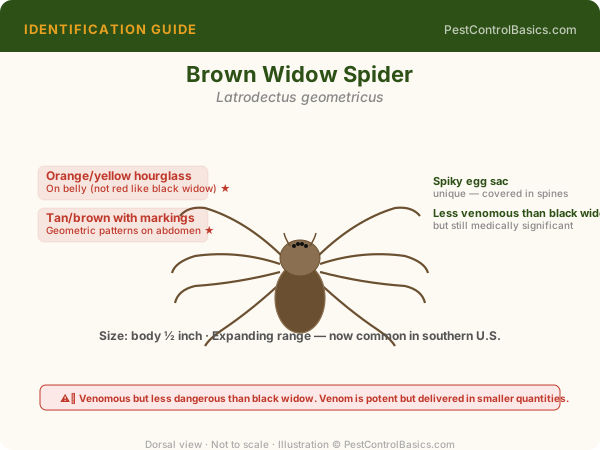
Original illustration by PestControlBasics.com. Use anatomical labels above to confirm your identification.
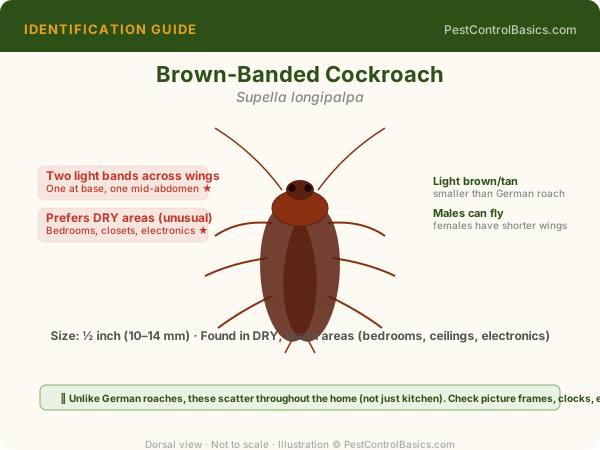
Original illustration by PestControlBasics.com. Use anatomical labels above to confirm your identification.
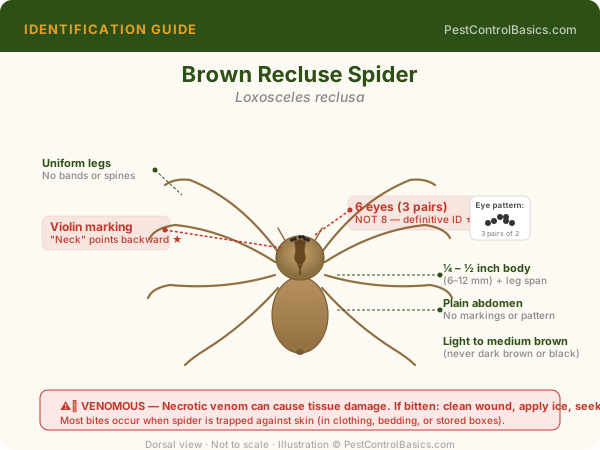
Original illustration by PestControlBasics.com. Use anatomical labels above to confirm your identification. For photo references, see the identification section below.
🔍 Identification
Adults: 8-12mm body; uniformly tan to brown; violin-shaped marking on cephalothorax (pointing toward abdomen); 6 eyes in 3 pairs of 2 (most spiders have 8 eyes in 4 pairs of 2) — requires magnification to confirm. Builds irregular, sticky webs in protected, dry, undisturbed areas: closets, boxes, under furniture, in garages. Shy and non-aggressive.
🧬 Biology & Behavior
Verified range: Oklahoma, Kansas, Missouri, Arkansas, Tennessee, Alabama, Georgia, and south into Texas. VERY LIMITED in: California (L. deserta in desert areas only), Illinois (very southern only). NOT PRESENT: Pacific Northwest, Great Plains, Northeast. Physicians in non-endemic states frequently misdiagnose MRSA, other skin infections, and spider bites from other species as 'brown recluse.'
⚠️ Damage & Health Risk
Most bites are minor and self-healing. A minority cause necrotic (tissue-destroying) wounds that are slow to heal. Systemic reactions are rare but more serious in children and elderly. The wound itself is the medical concern, not venom toxicity to the whole body (unlike black widow).
🔧 DIY Treatment
Reduce clutter (eliminated undisturbed areas). Sticky glue traps in closets, corners, and under furniture detect and trap recluses. Seal cracks in walls. Shake clothing and shoes before wearing if stored in areas where recluses could hide.
👷 When to Call a Pro
For confirmed infestations: professional application of residual spray (bifenthrin) to all corners, closets, and undisturbed areas combined with glue trap monitoring.