πŸ› Stinging Caterpillars

Automeris io / Acharia stimulea Β· Lepidoptera

Two caterpillars you should never touch: the io moth caterpillar (bright green with spines) and the saddleback caterpillar (with a distinctive saddle pattern). Both produce painful stings.

CaterpillarStingingIo MothSaddlebackVenomousLepidoptera
πŸ›
Risk Level
Venomous Caterpillar
πŸ”¬
PestControlBasics Editorial Team
Reviewed by Derek Giordano Β· Updated 2026
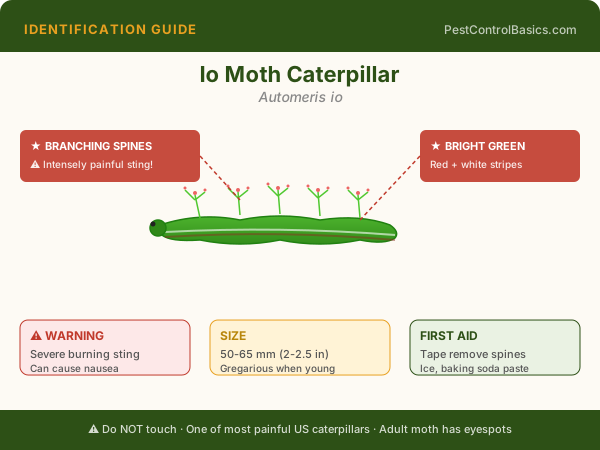
Stinging Caterpillar Io Moth identification guide illustration

Illustrated identification guide β€” PestControlBasics.com

πŸ” Identification

Io moth caterpillar: 50-60mm; bright green with white and red-orange lateral stripes; clusters of venomous green spines along each segment. Found on many deciduous trees. Saddleback caterpillar: 25mm; brown with distinctive brown oval 'saddle' on bright green back; venomous spines at both ends and sides. Found on many plants. Both: the spines break off on contact and inject venom causing immediate burning pain lasting 1-4 hours.

🧬 Biology & Behavior

Both species are native and relatively uncommon β€” most gardeners go years without encountering them. They're found on ornamental and food plants, particularly in the eastern and southern US. The sting is genuinely painful but not dangerous to healthy adults (allergic individuals may require medical attention). There's no antivenom β€” treatment is supportive.

⚠️ Damage & Health Risk

Painful stings lasting 1-4 hours; possible allergic reaction in sensitive individuals; anxiety from unexpected contact.

πŸ”§ DIY Treatment

If stung: use tape to lift visible spine fragments from skin. Do not rub β€” rubbing drives spines deeper. Cold pack for pain. Topical antihistamine. Oral antihistamine for systemic reaction. Seek medical attention if significant allergic response occurs. For garden management: Bt kurstaki spray controls caterpillar populations on valuable ornamentals.

πŸ‘· When to Call a Pro

Rarely warranted.

❓ FAQ

What should I do immediately if stung by a stinging caterpillar?
1. Immediately press clear tape to the sting site and peel away β€” this removes embedded spine fragments. 2. Apply cold pack to reduce pain and inflammation. 3. Apply topical hydrocortisone or antihistamine cream. 4. Take oral antihistamine if reaction is spreading. 5. Seek emergency care if you experience difficulty breathing, widespread hives, or throat swelling β€” these indicate a serious allergic reaction.

πŸ—ΊοΈ Geographic Range & Distribution

FactorDetails
U.S. RangeAll or most U.S. states
Regional DetailDistribution varies β€” consult your local extension service for regional prevalence data.

πŸ“… Treatment Timing Guide

Treating at the right time dramatically improves results. Pest control timed to the life cycle uses less product and achieves better long-term control.

PeriodAction
SpringInspection and perimeter treatment before pest season starts.
SummerActive monitoring and targeted treatments as needed.
FallPreventive treatment before overwintering pests seek entry.

πŸ’° Professional Treatment Costs

Service TypeDIY CostProfessional Cost
Initial inspectionFree (self-inspect)$75–$150 (often credited to treatment)
One-time treatment$30–$100 in materials$150–$500
Annual service contractN/A$400–$900/year
Severe infestationOften ineffective alone$500–$2,500+

Prices vary by region, property size, and infestation severity.

πŸ“š More on This Topic

Related guides and profiles:

πŸ”— πŸ¦‹ Indian Meal MothπŸ”— πŸ› Spongy Moth (LDD Moth)πŸ”— How to Eliminate Clothes Moths PermanentlyπŸ”— Clothes Moth Life Cycle
🧪 Recommended Treatment Products
Bt kurstaki IPM Guide Natural Pest Control Spinosad
Full product guides with mixing rates and safety info. → Browse All 130 Pesticide Guides

❓ Common Questions About πŸ› Stinging Caterpillars

How do I confirm I actually have this pest (not something similar)?
The most reliable confirmation is a physical specimen β€” capture one and compare to reference images on this page. For cryptic pests (bed bugs, termites), look for secondary signs: frass, shed skins, mud tubes, or bites with a specific pattern. When uncertain, a professional inspection is faster than months of misidentification.
Can I treat this myself or do I need a professional?
DIY is effective for small, accessible infestations caught early. Professionals are worth the cost when: the infestation is inside wall voids or structural elements, multiple rooms are affected, you have health-risk pests (hantavirus, venomous species), or DIY has already failed twice.
How long until the infestation is completely gone?
Expect 3–8 weeks for most infestations with proper treatment. Insects with dormant life stages (pupae, eggs) extend the timeline because those stages are impervious to most insecticides. Follow-up treatments at 2 and 4 weeks catch each new cohort as they emerge.
What's the most common mistake people make treating this pest?
Treating only the visible pest population while ignoring the harborage site, entry point, or breeding location. Killing adults provides temporary relief but the population rebuilds from hidden egg cases, pupae, or new arrivals through unaddressed entry points.
🔗 Related Pests
Bagworm Corn Earworm Cabbage Looper Caterpillar Loopers Stinging Caterpillar Wooly Bear Caterpillar
Compare similar pests to confirm your identification. → Use our ID Flowchart
πŸ“š Sources: EPA Termite Guide Β· NPMA Termite Info
Published: Jan 1, 2025 Β· Updated: Apr 7, 2026

πŸ—ΊοΈ US Distribution β€” Stinging Caterpillars

image/svg+xml
Common Occasional Not Present
States Present
49
Occasional
2
Primary Region
All agricultural regions
πŸ“Š Source: University extension services, USDA, CDC vector data, and published entomological surveys.