Illustrated identification guide — PestControlBasics.com
🔍 Identification
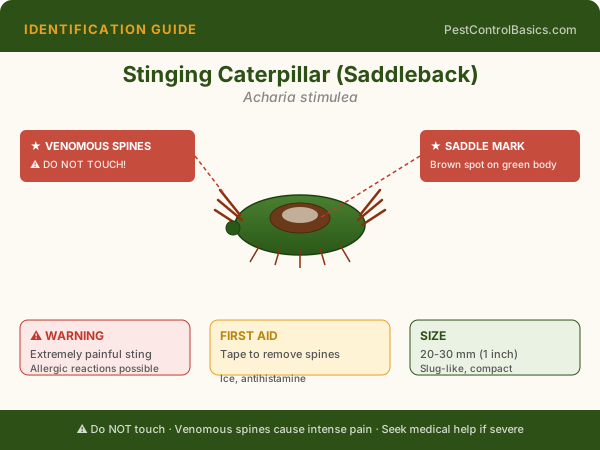
Saddleback Caterpillar (Acharia stimulea): 25mm; distinctive green 'saddle' on brown back with large horn-like spines — beautiful but dangerous. Found on many trees and shrubs in eastern US.
Io Moth Caterpillar (Automeris io): 60mm; bright green with red and white lateral stripes; dense clusters of branching green spines — like a green sea urchin. Found on many deciduous trees.
Puss Caterpillar (Megalopyge opercularis): 35mm; covered in fluffy yellowish-brown hair that conceals venomous spines underneath — deceptively soft-looking. Most venomous caterpillar in North America. Gulf Coast and Southeast primarily.
🧬 Biology & Behavior
The hair-like or spine-like projections contain venom glands. Contact causes immediate intense pain from venom injection through hollow spines. The puss caterpillar is particularly dangerous because it looks soft and touchable but conceals long venomous spines beneath the hair.
⚠️ Damage & Health Risk
Immediate intense pain (described as burning, stinging) at contact points; rash developing over 30-60 minutes; in some individuals, systemic reactions (nausea, sweating, breathing difficulty) — particularly with puss caterpillar stings.
🔧 DIY Treatment
Remove embedded spines with tape (pressing tape against skin and pulling off removes broken spines better than tweezers). Wash with soap and water. Ice for pain. OTC antihistamine and hydrocortisone cream. Seek medical care if symptoms become systemic (difficulty breathing, nausea, severe swelling).
👷 When to Call a Pro
Seek immediate medical attention for puss caterpillar stings with systemic symptoms — this is the most venomous caterpillar in North America and reactions can be serious.