🐛 Stinging Caterpillars — ID Guide

Multiple Lepidoptera species · Lepidoptera — Multiple families

The puss caterpillar is the most venomous caterpillar in North America — touching it feels like wasp stings and causes severe systemic reactions in some people. Six species cause injuries in the US annually.

CaterpillarStingingVenomousPuss CaterpillarSaddlebackID Guide
🐛
Risk Level
Venomous Caterpillar Guide
🔬
PestControlBasics Editorial Team
Reviewed by Derek Giordano · Updated 2026
Stinging Nettle Caterpillar Guide identification guide illustration

Illustrated identification guide — PestControlBasics.com

🔍 Identification

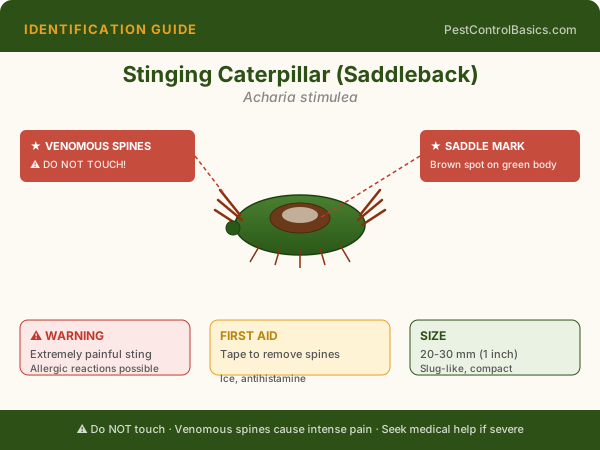
Puss caterpillar (Megalopyge opercularis): 2-3cm; covered in soft grey-brown 'fur' concealing venomous spines — the most dangerous US caterpillar. Southeast US, Texas. Saddleback caterpillar (Acharia stimulea): 2cm; green with brown 'saddle' pattern; horn-like projections with hollow spines. Eastern US. Io moth caterpillar (Automeris io): 5-7cm; bright green with red-white side stripe; branching spines in tufts. Eastern US. Buck moth caterpillar (Hemileuca maia): dark with white spots; venomous spines; eastern US oaks. Hag moth caterpillar: bizarre twisted appearance with hooked lateral projections. Spiny oak slug: slug-shaped with venomous spines.

🧬 Biology & Behavior

All stinging caterpillars: venomous spines that break off in skin and inject venom causing immediate burning, redness, swelling, and in severe cases, systemic reactions including chest pain, nausea, and in rare cases, anaphylaxis. The puss caterpillar is particularly dangerous because its soft fur conceals spines — people pet it and receive full spine penetration.

⚠️ Damage & Health Risk

Painful sting with burning, swelling, rash; broken spines embedded in skin; systemic reactions in sensitive individuals; risk to children who handle caterpillars; severe puss caterpillar envenomation requiring medical treatment.

🔧 DIY Treatment

First aid: apply tape to affected area and remove by peeling off (removes embedded spines); apply baking soda paste; antihistamine and ice for swelling. Seek medical attention for systemic symptoms (chest pain, difficulty breathing, persistent severe pain).

👷 When to Call a Pro

Contact ASPCA Poison Control or Poison Control (1-800-222-1222) for severe reactions.

❓ FAQ

What should I do if I touch a puss caterpillar?
Do not rub the area — this breaks spines further into skin. Apply packing tape to the affected area and peel off repeatedly to extract spine fragments. Apply baking soda paste to neutralize venom. Ice for pain. Antihistamine (diphenhydramine) for swelling. If you experience chest pain, difficulty breathing, or the pain is severe and spreading, go to an emergency room — puss caterpillar stings can cause serious systemic reactions.
Are these caterpillars common?
Stinging caterpillars occur throughout the eastern US and Texas but are generally uncommon — most people never encounter one. Risk is highest in September-October when caterpillars are mature and searching for pupation sites. Children are most at risk because they handle caterpillars without knowing the danger. Teaching children not to touch fuzzy or spiny caterpillars is the most important prevention.

📚 More on This Topic

Related guides and profiles:

🔗 🐛 Eastern Tent Caterpillar🔗 Garden Caterpillars
📚 Sources: EPA Safe Pest Control · NPMA Pest Guide
Published: Jan 1, 2025 · Updated: Apr 7, 2026

🗺️ US Distribution — Stinging Caterpillars

image/svg+xml
Common Occasional Not Present
States Present
49
Occasional
2
Primary Region
All agricultural regions
📊 Source: University extension services, USDA, CDC vector data, and published entomological surveys.