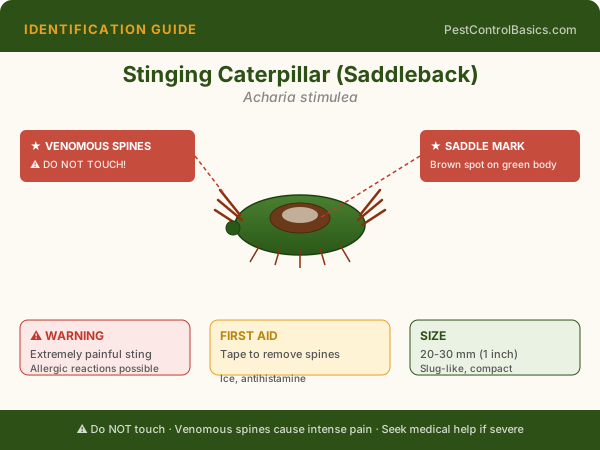
Illustrated identification guide — PestControlBasics.com
🔍 Identification
Puss caterpillar (Megalopyge opercularis): 2-3cm; covered in soft grey-brown 'fur' concealing venomous spines — the most dangerous US caterpillar. Southeast US, Texas. Saddleback caterpillar (Acharia stimulea): 2cm; green with brown 'saddle' pattern; horn-like projections with hollow spines. Eastern US. Io moth caterpillar (Automeris io): 5-7cm; bright green with red-white side stripe; branching spines in tufts. Eastern US. Buck moth caterpillar (Hemileuca maia): dark with white spots; venomous spines; eastern US oaks. Hag moth caterpillar: bizarre twisted appearance with hooked lateral projections. Spiny oak slug: slug-shaped with venomous spines.
🧬 Biology & Behavior
All stinging caterpillars: venomous spines that break off in skin and inject venom causing immediate burning, redness, swelling, and in severe cases, systemic reactions including chest pain, nausea, and in rare cases, anaphylaxis. The puss caterpillar is particularly dangerous because its soft fur conceals spines — people pet it and receive full spine penetration.
⚠️ Damage & Health Risk
Painful sting with burning, swelling, rash; broken spines embedded in skin; systemic reactions in sensitive individuals; risk to children who handle caterpillars; severe puss caterpillar envenomation requiring medical treatment.
🔧 DIY Treatment
First aid: apply tape to affected area and remove by peeling off (removes embedded spines); apply baking soda paste; antihistamine and ice for swelling. Seek medical attention for systemic symptoms (chest pain, difficulty breathing, persistent severe pain).
👷 When to Call a Pro
Contact ASPCA Poison Control or Poison Control (1-800-222-1222) for severe reactions.