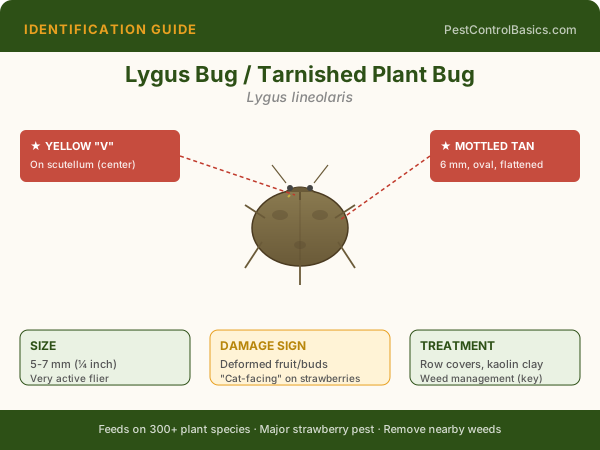
Illustrated identification guide — PestControlBasics.com
🔍 Identification
Adults: 6mm; oval; brown to tan with yellow, brown, and black irregular markings; distinctive yellow triangle on back (diagnostic). Nymphs: green; similar to aphids but faster-moving and more robust. Found on: strawberry, peach, bean, alfalfa, celery, and hundreds of other hosts. Damage: 'catfaced' (deeply lobed, misshapen) strawberries; blind tips in vegetables; bud and flower drop; distorted growth.
🧬 Biology & Behavior
Overwintering adults emerge early in spring from weedy field margins. They feed on developing buds before crop flowers open — a single bug feeding on a strawberry bud for less than a minute causes the catfacing that ruins the entire strawberry. The polyphagous (many-host) nature means populations build in weeds and then move to crops during bloom. Weed management in field margins is a primary cultural control.
⚠️ Damage & Health Risk
Catfaced strawberries (cosmetically ruined); bud and flower destruction; blind growing tips in vegetables; economic losses in commercial strawberry, peach, and vegetable production.
🔧 DIY Treatment
Pyrethrins or spinosad spray during bloom on strawberries (apply in evening to minimize bee exposure). Row cover through bloom prevents access. Weed management in field margins reduces source populations. Yellow sticky traps for monitoring emergence timing.
👷 When to Call a Pro
Commercial strawberry: spray program guided by trap monitoring; bloom-period spray with pyrethrins is the commercial standard in high-pressure areas.