πŸ•·οΈ American Dog Tick & Lone Star Tick

Dermacentor variabilis / Amblyomma americanum Β· Arachnida: Ixodidae

Two tick species account for most tick encounters in the eastern US. Knowing which you found determines which diseases to watch for.

TickDisease VectorIxodidaeEastern USRocky Mountain Spotted FeverIdentification
πŸ•·οΈ
Risk Level
Disease Vector
πŸ“ FIELD GUIDE ILLUSTRATION
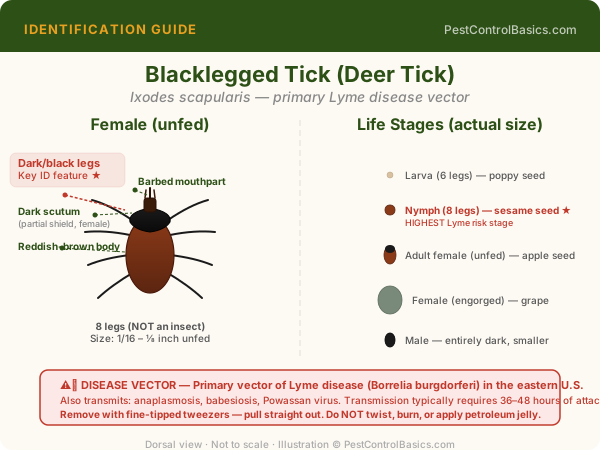
Blacklegged tick / deer tick (Ixodes scapularis) identification illustration with labeled anatomical features β€” PestControlBasics.com

Original illustration by PestControlBasics.com. Use anatomical labels above to confirm your identification.

πŸ”¬
PestControlBasics Editorial Team
Reviewed by Derek Giordano Β· Updated 2026

πŸ” Identification

American Dog Tick (D. variabilis): 5mm unfed; mottled brown with silver/white markings on the scutum (back plate); ornate patterning. Females have large silver shield; males have patterning across entire back. Found along grass/brush transitions.

Lone Star Tick (A. americanum): 3-4mm unfed; reddish-brown; females with single white spot in center of back. Very aggressive β€” actively seeks hosts. Found in wooded areas with deer.

🧬 Biology & Behavior

American dog tick: primary vector of Rocky Mountain Spotted Fever (RMSF β€” serious, treatable) and tularemia. Lone star tick: vector of ehrlichiosis, STARI (Southern Tick-Associated Rash Illness), Heartland virus, Bourbon virus, and the alpha-gal allergy (red meat allergy). Requires warm weather β€” most active April through September.

⚠️ Damage & Health Risk

Disease transmission; psychological concern; alpha-gal syndrome from lone star tick bites (potentially permanent red meat allergy).

πŸ”§ DIY Treatment

Permethrin-treated clothing. DEET or picaridin repellent on exposed skin. Tick checks after outdoor activities (especially groin, armpits, behind ears). Shower within 2 hours of outdoor activity. Treat yard vegetation with bifenthrin in high-pressure areas. Remove attached ticks promptly with fine-tip tweezers (grasping at skin level, pulling straight out).

πŸ‘· When to Call a Pro

For properties with deer traffic and high tick pressure, professional perimeter treatment significantly reduces exposure risk.

❓ FAQ

How do I tell an American dog tick from a lone star tick?
American dog tick: ornate silver/white patterning on the back plate; mottled brown. Lone star tick: females have a single white dot in the center of the back; no patterning. The female's single spot vs. the American dog tick's ornate scutum pattern is the fastest field ID.
What diseases does the American dog tick transmit?
Rocky Mountain Spotted Fever (RMSF) β€” the most serious US tick-borne disease (can be fatal without prompt treatment); and tularemia. RMSF is treatable with doxycycline if caught early. Watch for: fever, headache, rash appearing 2-5 days after bite.

πŸ—ΊοΈ Geographic Range & Distribution

FactorDetails
U.S. RangeAll 50 states
Regional DetailBlacklegged/deer tick: Northeast, Mid-Atlantic, Upper Midwest. Lone Star tick: Southeast. American dog tick: nationwide east of Rockies.

πŸ“… Treatment Timing Guide

Treating at the right time dramatically improves results. Pest control timed to the life cycle uses less product and achieves better long-term control.

PeriodAction
SpringInspection and perimeter treatment before pest season starts.
SummerActive monitoring and targeted treatments as needed.
FallPreventive treatment before overwintering pests seek entry.

πŸ’° Professional Treatment Costs

Service TypeDIY CostProfessional Cost
Initial inspectionFree (self-inspect)$75–$150 (often credited to treatment)
One-time treatment$30–$100 in materials$150–$500
Annual service contractN/A$400–$900/year
Severe infestationOften ineffective alone$500–$2,500+

Prices vary by region, property size, and infestation severity.

❓ Common Questions About πŸ•·οΈ American Dog Tick & Lone Star Tick

How do I confirm I actually have this pest (not something similar)?
The most reliable confirmation is a physical specimen β€” capture one and compare to reference images on this page. For cryptic pests (bed bugs, termites), look for secondary signs: frass, shed skins, mud tubes, or bites with a specific pattern. When uncertain, a professional inspection is faster than months of misidentification.
Can I treat this myself or do I need a professional?
DIY is effective for small, accessible infestations caught early. Professionals are worth the cost when: the infestation is inside wall voids or structural elements, multiple rooms are affected, you have health-risk pests (hantavirus, venomous species), or DIY has already failed twice.
How long until the infestation is completely gone?
Expect 3–8 weeks for most infestations with proper treatment. Insects with dormant life stages (pupae, eggs) extend the timeline because those stages are impervious to most insecticides. Follow-up treatments at 2 and 4 weeks catch each new cohort as they emerge.
What's the most common mistake people make treating this pest?
Treating only the visible pest population while ignoring the harborage site, entry point, or breeding location. Killing adults provides temporary relief but the population rebuilds from hidden egg cases, pupae, or new arrivals through unaddressed entry points.
πŸ“š Sources: CDC Tick Prevention Β· CDC Lyme Disease
Published: Jan 1, 2025 Β· Updated: Apr 7, 2026

πŸ—ΊοΈ US Distribution β€” American Dog Tick vs. Lone Star Tick

image/svg+xml
Common Occasional Not Present
States Present
49
Occasional
2
Primary Region
Continental US
πŸ“Š Source: University extension services, USDA, CDC vector data, and published entomological surveys.