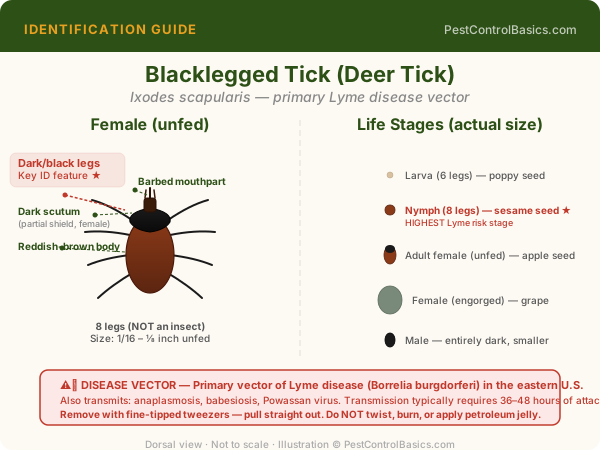
Original illustration by PestControlBasics.com. Use anatomical labels above to confirm your identification.
🔍 Identification
American Dog Tick (D. variabilis): 5mm unfed; mottled brown with silver/white markings on the scutum (back plate); ornate patterning. Females have large silver shield; males have patterning across entire back. Found along grass/brush transitions.
Lone Star Tick (A. americanum): 3-4mm unfed; reddish-brown; females with single white spot in center of back. Very aggressive — actively seeks hosts. Found in wooded areas with deer.
🧬 Biology & Behavior
American dog tick: primary vector of Rocky Mountain Spotted Fever (RMSF — serious, treatable) and tularemia. Lone star tick: vector of ehrlichiosis, STARI (Southern Tick-Associated Rash Illness), Heartland virus, Bourbon virus, and the alpha-gal allergy (red meat allergy). Requires warm weather — most active April through September.
⚠️ Damage & Health Risk
Disease transmission; psychological concern; alpha-gal syndrome from lone star tick bites (potentially permanent red meat allergy).
🔧 DIY Treatment
Permethrin-treated clothing. DEET or picaridin repellent on exposed skin. Tick checks after outdoor activities (especially groin, armpits, behind ears). Shower within 2 hours of outdoor activity. Treat yard vegetation with bifenthrin in high-pressure areas. Remove attached ticks promptly with fine-tip tweezers (grasping at skin level, pulling straight out).
👷 When to Call a Pro
For properties with deer traffic and high tick pressure, professional perimeter treatment significantly reduces exposure risk.