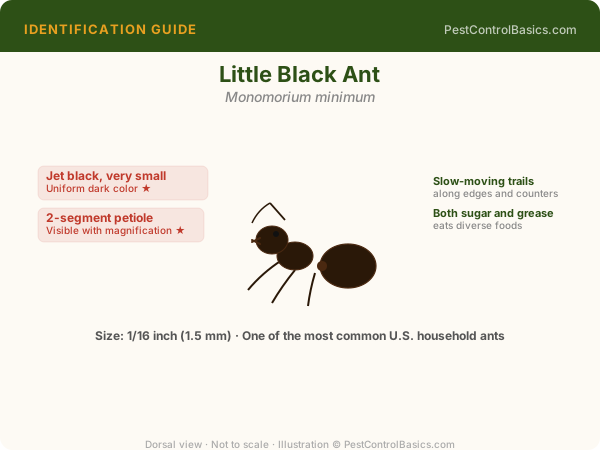
Original illustration by PestControlBasics.com. Use anatomical labels above to confirm your identification.
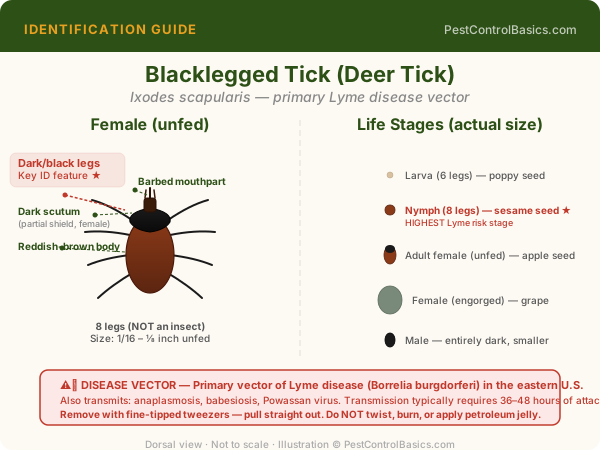
Original illustration by PestControlBasics.com. Use anatomical labels above to confirm your identification.
🔍 Identification
Females: 3-4mm unfed; 10-12mm engorged; orange-brown body with darker brown scutum (back plate); black legs. Males: smaller; uniformly dark. Nymphs (most important transmission stage): 1-2mm; translucent; poppy seed-sized — this tiny size makes them easy to miss. Found throughout the eastern US; western blacklegged tick (I. pacificus) on the Pacific Coast.
🧬 Biology & Behavior
Three-host lifecycle over 2 years: larvae feed on small mammals (white-footed mice — primary Lyme reservoir); nymphs transmit Lyme in spring/early summer; adults feed on deer in fall. Lyme transmission requires 24-48 hours of tick attachment — prompt removal prevents most disease transmission. Nymphs are most important epidemiologically because they're tiny and often unfelt.
⚠️ Damage & Health Risk
Lyme disease (most common vector-borne disease in US — 476,000+ cases/year); anaplasmosis; babesiosis; Powassan virus (rare but severe); tick paralysis (rare).
🔧 DIY Treatment
Tick checks after every outdoor activity (focus on hairline, armpits, groin, behind knees — favorite attachment sites). Permethrin-treated clothing. DEET or picaridin repellent. Shower within 2 hours of outdoor exposure. Yard management: mulch barrier, mow, deer exclusion, tick tubes. Remove ticks promptly with fine-tip tweezers.
👷 When to Call a Pro
For properties with high tick burden and confirmed Lyme disease risk: annual professional tick spray application (bifenthrin in April-May) significantly reduces nymphal tick populations during peak transmission season.