πŸ•·οΈ Blacklegged (Deer) Tick

Ixodes scapularis Β· Arachnida: Ixodidae

The blacklegged tick transmits more pathogens than any other US tick species. Understanding its lifecycle is essential for effective prevention.

TickLyme DiseaseIxodidaeDisease VectorDeer TickHigh Importance
πŸ•·οΈ
Risk Level
Lyme Disease Vector
πŸ“ FIELD GUIDE ILLUSTRATION
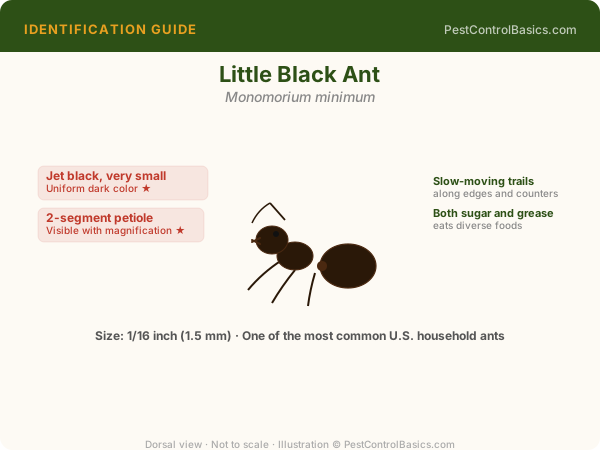
Little Black Ant (Monomorium minimum) identification illustration with labeled anatomical features β€” PestControlBasics.com

Original illustration by PestControlBasics.com. Use anatomical labels above to confirm your identification.
πŸ“ FIELD GUIDE ILLUSTRATION
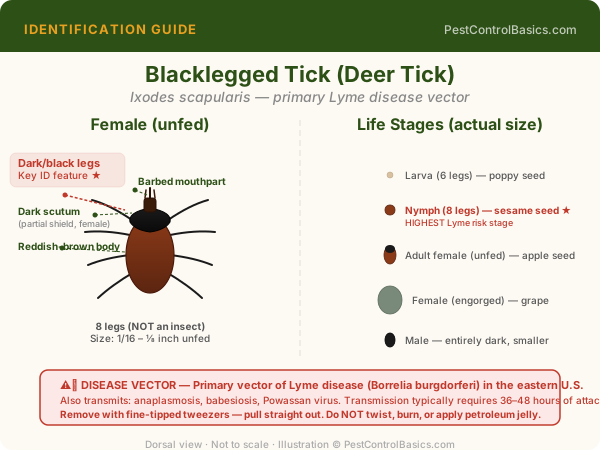
Blacklegged tick / deer tick (Ixodes scapularis) identification illustration with labeled anatomical features β€” PestControlBasics.com

Original illustration by PestControlBasics.com. Use anatomical labels above to confirm your identification.

πŸ”¬
PestControlBasics Editorial Team
Reviewed by Derek Giordano Β· Updated 2026

πŸ” Identification

Females: 3-4mm unfed; 10-12mm engorged; orange-brown body with darker brown scutum (back plate); black legs. Males: smaller; uniformly dark. Nymphs (most important transmission stage): 1-2mm; translucent; poppy seed-sized β€” this tiny size makes them easy to miss. Found throughout the eastern US; western blacklegged tick (I. pacificus) on the Pacific Coast.

🧬 Biology & Behavior

Three-host lifecycle over 2 years: larvae feed on small mammals (white-footed mice β€” primary Lyme reservoir); nymphs transmit Lyme in spring/early summer; adults feed on deer in fall. Lyme transmission requires 24-48 hours of tick attachment β€” prompt removal prevents most disease transmission. Nymphs are most important epidemiologically because they're tiny and often unfelt.

⚠️ Damage & Health Risk

Lyme disease (most common vector-borne disease in US β€” 476,000+ cases/year); anaplasmosis; babesiosis; Powassan virus (rare but severe); tick paralysis (rare).

πŸ”§ DIY Treatment

Tick checks after every outdoor activity (focus on hairline, armpits, groin, behind knees β€” favorite attachment sites). Permethrin-treated clothing. DEET or picaridin repellent. Shower within 2 hours of outdoor exposure. Yard management: mulch barrier, mow, deer exclusion, tick tubes. Remove ticks promptly with fine-tip tweezers.

πŸ‘· When to Call a Pro

For properties with high tick burden and confirmed Lyme disease risk: annual professional tick spray application (bifenthrin in April-May) significantly reduces nymphal tick populations during peak transmission season.

❓ FAQ

How long does a tick need to be attached to transmit Lyme disease?
Studies show Lyme disease transmission requires 24-48 hours of tick attachment β€” the Lyme bacterium is stored in the tick's midgut and must migrate to the salivary glands. Prompt tick removal (within 24 hours) prevents the vast majority of Lyme transmission. This is why daily tick checks are so effective.
What does the Lyme disease rash look like?
The classic bull's-eye rash (erythema migrans) appears at the bite site in 70-80% of Lyme cases β€” a red expanding ring with central clearing, typically appearing 3-30 days after the bite. If you develop this rash, see a doctor immediately β€” Lyme disease is treatable with antibiotics and most effective when caught early.
🧪 Recommended Treatment Products
Permethrin Clothing Repellent Comparison DEET Picaridin Metarhizium (Biological)
Full product guides with mixing rates and safety info. → Browse All 130 Pesticide Guides
πŸ“š Sources: CDC Tick Prevention Β· CDC Lyme Disease
Published: Jan 1, 2025 Β· Updated: Apr 7, 2026

πŸ—ΊοΈ US Distribution β€” Blacklegged Tick (Deer Tick)

image/svg+xml
Common Occasional Not Present
States Present
49
Occasional
2
Primary Region
Continental US
πŸ“Š Source: University extension services, USDA, CDC vector data, and published entomological surveys.