πŸ› Fall Webworm

Hyphantria cunea Β· Lepidoptera: Erebidae

Fall webworm webs are alarming β€” huge silk tents engulfing branch tips β€” but in most cases they cause only cosmetic damage to healthy established trees. Here's how to decide whether to treat.

CaterpillarFall WebwormErebidaeDefoliationOrnamentalBranch Tips
πŸ›
Risk Level
Ornamental Tree Pest
πŸ”¬
PestControlBasics Editorial Team
Reviewed by Derek Giordano Β· Updated 2026
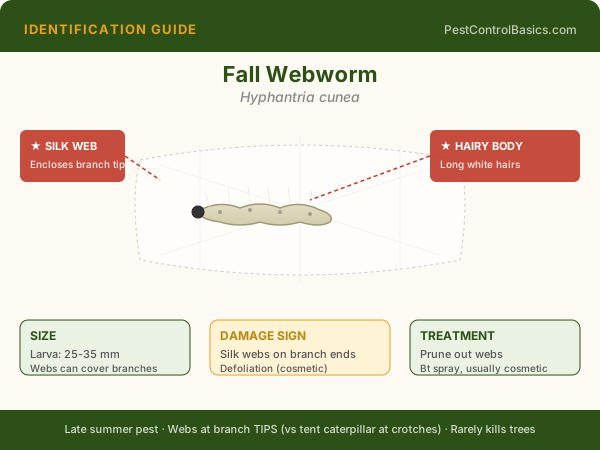
Webworm Fall Expanded identification guide illustration

Illustrated identification guide β€” PestControlBasics.com

πŸ” Identification

Webs: large, encompassing branch tips (contrast with eastern tent caterpillar which builds webs in branch forks, not tips). Webs expand over the season and can reach 3 feet in diameter. Larvae inside: hairy, variable color (grey-black or yellow-green), 25-35mm when mature. Adults: white moths with dark spots (variable). Found on 90+ tree species β€” particularly walnut, pecan, cherry, and elm.

🧬 Biology & Behavior

Two generations per year in southern states; one in northern states. Fall webworm is native to North America and has been introduced to Europe and Asia where it's considered a more serious pest. In its native range, natural enemies (parasitic wasps, predatory stink bugs, birds) heavily parasitize colonies. A healthy established tree can lose 20% of its late-season foliage without long-term harm.

⚠️ Damage & Health Risk

Cosmetic defoliation of branch tips in late summer (after most of the season's growth is complete); psychological concern from large visible webs; no structural tree damage in healthy trees.

πŸ”§ DIY Treatment

For accessible webs: prune and destroy the web-bearing branch tips (bag and trash, don't compost). Bt kurstaki spray on the web and surrounding foliage when larvae are small. For ornamental trees you can't prune: Bt spray applied into and around the web. Treatment is rarely warranted for established trees.

πŸ‘· When to Call a Pro

Professional systemic injection with emamectin benzoate for valuable ornamental trees in high-pressure areas provides season-long protection.

❓ FAQ

Should I spray for fall webworm?
For healthy, established trees β€” usually not. Late-season defoliation rarely harms established trees significantly. If the tree is young (less than 5 years old), already stressed by drought or disease, or the infestation is severe across the entire canopy, treatment with Bt kurstaki is warranted. The easiest treatment for accessible webs is simply pruning and disposing of the web-bearing branch tips.
Are fall webworms the same as eastern tent caterpillars?
Different species with similar-looking webs, but different locations: fall webworm webs enclose branch tips and are present in late summer (July-September). Eastern tent caterpillar webs are in branch forks and crotches, present in spring (March-May). Both are moth caterpillars but in different families and different seasons.
πŸ“š Sources: EPA Safe Pest Control Β· NPMA Pest Guide
Published: Jan 1, 2025 Β· Updated: Apr 7, 2026

πŸ—ΊοΈ US Distribution β€” Fall Webworm

image/svg+xml
Common Occasional Not Present
States Present
49
Occasional
2
Primary Region
All agricultural regions
πŸ“Š Source: University extension services, USDA, CDC vector data, and published entomological surveys.