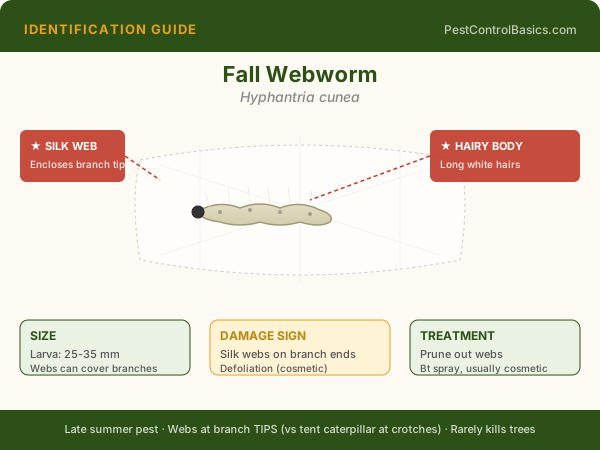
Illustrated identification guide — PestControlBasics.com
🔍 Identification
Webs: 1-3 feet across; at branch tips (not inside branches like tent caterpillar); contain 100-400 larvae plus their excrement and partially eaten leaves. Larvae: 25-35mm; pale yellow-green to tan with dark spots; tufts of hair. Adults: white moths with occasional black spots. Found on: 90+ tree species — walnut, cherry, crabapple, ash, elm, and many others — in late summer.
🧬 Biology & Behavior
Fall webworm differs from eastern tent caterpillar — tent caterpillar: spring, crotch of branches, inner nest. Fall webworm: late summer, branch tips, enclosing leaves inside web. Healthy mature trees tolerate complete fall webworm defoliation without mortality — they've already completed most of the growing season's photosynthesis. Young trees and trees stressed by drought may be more affected.
⚠️ Damage & Health Risk
Aesthetic damage from unsightly webs; leaf consumption from August-October (after most of the season's growth is complete); occasional significant defoliation of young trees in heavy infestation years.
🔧 DIY Treatment
Physical removal — cut off the infested branch tip and bag or burn webs with larvae inside. Bt kurstaki spray into open web ends kills larvae. For valuable small trees: spinosad spray is effective. Tolerance is appropriate for healthy mature trees.
👷 When to Call a Pro
Rarely warranted for healthy mature trees.