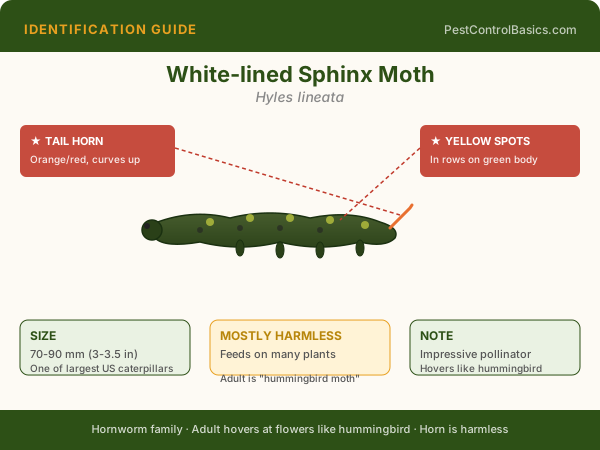
Illustrated identification guide — PestControlBasics.com
🔍 Identification
Tomato Hornworm (Manduca quinquemaculata): Green, diagonal stripes, black horn on tail. On tomatoes, peppers, eggplant.
Tobacco Hornworm (Manduca sexta): Green, C-shaped lateral markings, red horn. On tobacco and tomatoes — very similar to above.
Whitelined Sphinx (Hyles lineata): Variable — green, yellow, or black with yellow spots and orange/red horn. On portulaca, grapes, evening primrose.
Grape Sphinx (Darapsa myron): Green with diagonal white stripes; blue horn. Specifically on grapevines and Virginia creeper.
Snowberry Clearwing: Bumblebee mimic as adult; caterpillar green or yellow-green. On snowberry and honeysuckle.
🧬 Biology & Behavior
All sphinx moth caterpillars are the larval stage of large, fast-flying 'hummingbird moths' that hover at flowers. Most species have just one generation per year. Larvae pupate in soil. Adults feed on nectar — beneficial pollinators.
⚠️ Damage & Health Risk
Defoliation of host plants, but most host plants tolerate feeding by 2-3 large caterpillars without lasting harm. The braconid wasp parasitism that's so valuable for tomato hornworm control applies to all sphinx caterpillars.
🔧 DIY Treatment
Hand-pick if numbers are large and plants are being significantly defoliated. Bt spray if necessary. Leave any parasitized individuals (white egg mass attached). Most sphinx caterpillars on appropriate host plants can simply be left alone — they complete development and become valuable pollinators.
👷 When to Call a Pro
Never warranted for most sphinx caterpillar species.