πŸͺ² Wireworm

Agriotes / Limonius spp. Β· Coleoptera: Elateridae

Wireworms live underground for 2-6 years before becoming click beetles. By the time damage appears, the larvae that caused it may already be gone β€” replaced by newly hatched larvae from eggs laid this season.

WirewormClick BeetleElateridaeRoot CropUndergroundPotato
πŸͺ²
Risk Level
Root Crop Pest
πŸ“ FIELD GUIDE ILLUSTRATION
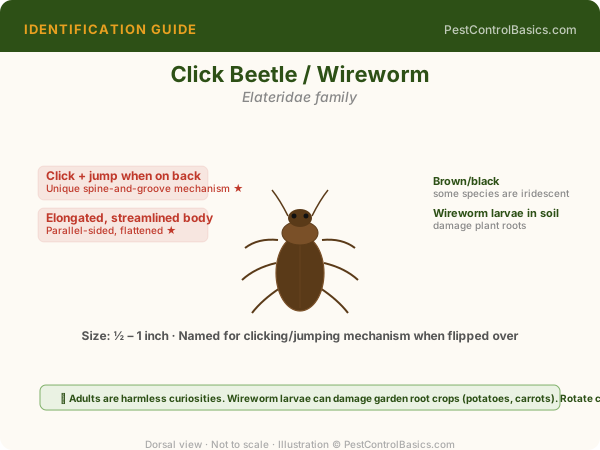
Click beetle / wireworm (Elateridae) identification illustration with labeled anatomical features β€” PestControlBasics.com

Original illustration by PestControlBasics.com. Use the labeled features above to confirm your identification.

πŸ”¬
PestControlBasics Editorial Team
Reviewed by Derek Giordano Β· Updated 2026

πŸ” Identification

Larvae (wireworms): 15-35mm; yellow-orange; hard-bodied; smooth; cylindrical; 3 pairs of tiny legs near head. Adult (click beetle): 10-20mm; brown; clicks and flips when disturbed (the click is the diagnostic adult behavior). Damage: tunnels through potato tubers (irregular tunnels through flesh); holes in carrot roots; seeds consumed before germination; plant lodging from root damage.

🧬 Biology & Behavior

Wireworms have a 2-6 year larval period β€” significantly longer than most soil insects. Former grassland and sod fields have the highest wireworm densities (historical sod-based agriculture creates populations that persist in converted land for years). Soil flooding or late-season high soil moisture increases wireworm movement to upper soil levels where they cause the most damage.

⚠️ Damage & Health Risk

Potato tuber damage (the most economically important); carrot and beet root tunneling; seed damage causing poor stand establishment; difficult to manage because of the long larval period.

πŸ”§ DIY Treatment

Soil sampling before planting to assess population density. Bifenthrin or chlorpyrifos at-plant soil incorporation (follow label for food crops). Spinosad soil drench has limited efficacy against wireworms. Avoid planting susceptible crops in recently converted sod for 2+ years.

πŸ‘· When to Call a Pro

Commercial potato production requires soil insecticide at planting in high-wireworm-risk fields. Phorate and chlorpyrifos are standard commercial treatments β€” restricted use, licensed applicator.

❓ FAQ

How do I know if I have wireworms in my vegetable garden?
Cut potato pieces as bait traps: bury slices 4-6 inches deep and mark with a stake. Check after 7-10 days. Wireworms in the potato pieces confirm their presence. Also look for: gaps in plant germination, plants that die shortly after germination, and tunneled holes in root vegetables at harvest.
Are wireworms related to earthworms?
No β€” wireworms are beetle larvae (Coleoptera: Elateridae). Earthworms are annelid worms β€” beneficial, soft-bodied, and segmented throughout. Wireworms are firm and hard when pinched; earthworms are soft. Finding wireworms in soil does not indicate a problem with earthworms.

πŸ—ΊοΈ Geographic Range & Distribution

FactorDetails
U.S. RangeAll or most U.S. states
Regional DetailDistribution varies β€” consult your local extension service for regional prevalence data.

πŸ“… Treatment Timing Guide

Treating at the right time dramatically improves results. Pest control timed to the life cycle uses less product and achieves better long-term control.

PeriodAction
SpringInspection and perimeter treatment before pest season starts.
SummerActive monitoring and targeted treatments as needed.
FallPreventive treatment before overwintering pests seek entry.

πŸ’° Professional Treatment Costs

Service TypeDIY CostProfessional Cost
Initial inspectionFree (self-inspect)$75–$150 (often credited to treatment)
One-time treatment$30–$100 in materials$150–$500
Annual service contractN/A$400–$900/year
Severe infestationOften ineffective alone$500–$2,500+

Prices vary by region, property size, and infestation severity.

❓ Common Questions About πŸͺ² Wireworm

How do I confirm I actually have this pest (not something similar)?
The most reliable confirmation is a physical specimen β€” capture one and compare to reference images on this page. For cryptic pests (bed bugs, termites), look for secondary signs: frass, shed skins, mud tubes, or bites with a specific pattern. When uncertain, a professional inspection is faster than months of misidentification.
Can I treat this myself or do I need a professional?
DIY is effective for small, accessible infestations caught early. Professionals are worth the cost when: the infestation is inside wall voids or structural elements, multiple rooms are affected, you have health-risk pests (hantavirus, venomous species), or DIY has already failed twice.
How long until the infestation is completely gone?
Expect 3–8 weeks for most infestations with proper treatment. Insects with dormant life stages (pupae, eggs) extend the timeline because those stages are impervious to most insecticides. Follow-up treatments at 2 and 4 weeks catch each new cohort as they emerge.
What's the most common mistake people make treating this pest?
Treating only the visible pest population while ignoring the harborage site, entry point, or breeding location. Killing adults provides temporary relief but the population rebuilds from hidden egg cases, pupae, or new arrivals through unaddressed entry points.
🧪 Recommended Treatment Products
Beneficial Nematodes Milky Spore (Japanese Beetle) Chlorantraniliprole
Full product guides with mixing rates and safety info. → Browse All 130 Pesticide Guides
πŸ“š Sources: EPA Termite Guide Β· NPMA Termite Info
Published: Jan 1, 2025 Β· Updated: Apr 7, 2026

πŸ—ΊοΈ US Distribution β€” Wireworm

image/svg+xml
Common Occasional Not Present
States Present
49
Occasional
2
Primary Region
All agricultural regions
πŸ“Š Source: University extension services, USDA, CDC vector data, and published entomological surveys.