🕷️ Wolf Spider — Complete Guide

Lycosa spp. / Hogna spp. · Araneae: Lycosidae

Wolf spiders are among the most intimidating-looking spiders in North America — and among the most beneficial. Their habit of carrying egg sac and spiderlings on their backs is unique and fascinating.

SpiderWolf SpiderBeneficialGround HunterAraneaeNuisance
🕷️
Risk Level
Beneficial / Nuisance
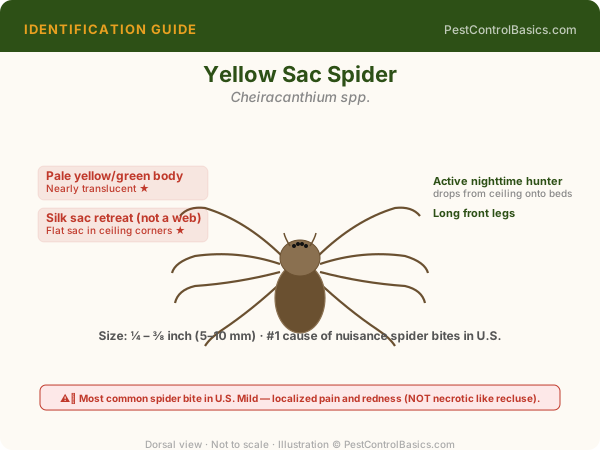
📐 FIELD GUIDE ILLUSTRATION
Yellow Sac Spider (Cheiracanthium spp.) identification illustration with labeled anatomical features — PestControlBasics.com

Original illustration by PestControlBasics.com. Use anatomical labels above to confirm your identification.
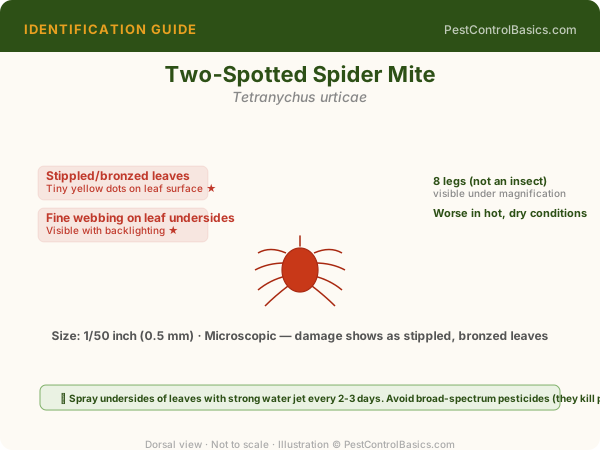
📐 FIELD GUIDE ILLUSTRATION
Spider Mite (Tetranychidae) identification illustration with labeled anatomical features — PestControlBasics.com

Original illustration by PestControlBasics.com. Use anatomical labels above to confirm your identification.
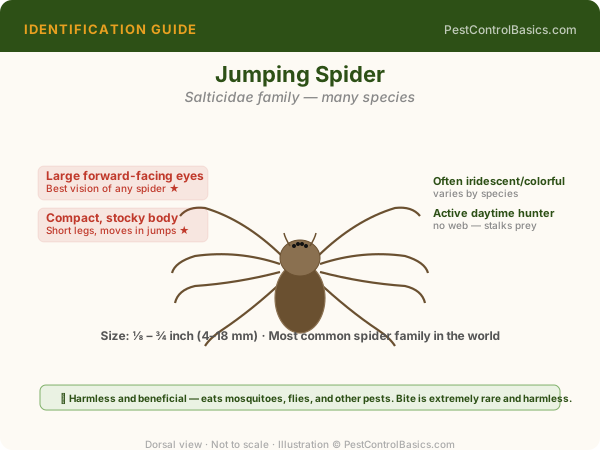
📐 FIELD GUIDE ILLUSTRATION
Jumping Spider (Salticidae) identification illustration with labeled anatomical features — PestControlBasics.com

Original illustration by PestControlBasics.com. Use anatomical labels above to confirm your identification.
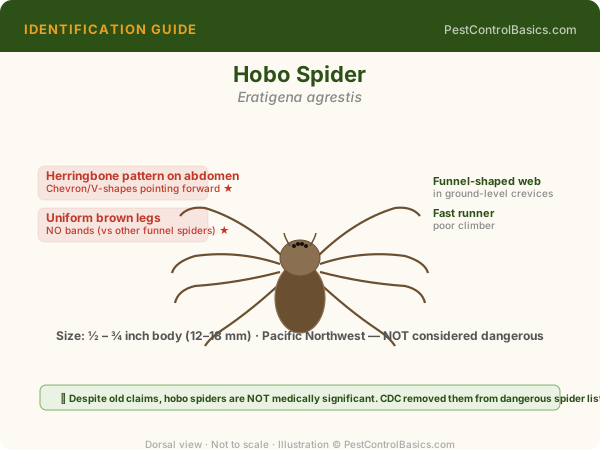
📐 FIELD GUIDE ILLUSTRATION
Hobo Spider (Eudioptilus agrestis) identification illustration with labeled anatomical features — PestControlBasics.com

Original illustration by PestControlBasics.com. Use anatomical labels above to confirm your identification.
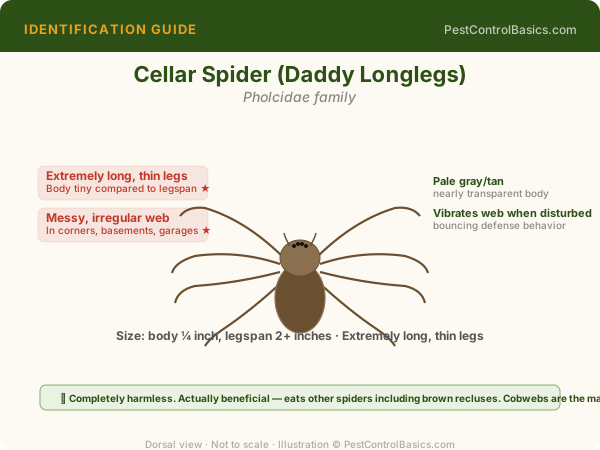
📐 FIELD GUIDE ILLUSTRATION
Cellar Spider (Pholcidae) identification illustration with labeled anatomical features — PestControlBasics.com

Original illustration by PestControlBasics.com. Use anatomical labels above to confirm your identification.

📐 FIELD GUIDE ILLUSTRATION
Wolf spider (Lycosidae family) identification illustration with labeled anatomical features — PestControlBasics.com

Original illustration by PestControlBasics.com. Use anatomical labels above to confirm your identification.

🔬
PestControlBasics Editorial Team
Reviewed by Derek Giordano · Updated 2026

🔍 Identification

Large: 10-35mm body, leg span up to 75mm. Hairy; brown to grey mottled pattern; two large eyes in the middle row (much larger than surrounding small eyes — distinctive). Fast runners that don't use webs — they actively chase prey. Common indoors and outdoors. Female carries egg sac attached to spinnerets and spiderlings on her back after hatching.

🧬 Biology & Behavior

Wolf spiders are ground-hunting predators — they don't build webs. They hunt insects, other spiders, and small invertebrates. They enter structures in fall seeking warmth, wandering across floors. They can't establish indoor populations without adequate prey. The mother carrying egg sac is a distinctive and sometimes alarming sight but is harmless.

⚠️ Damage & Health Risk

No structural damage, no food contamination, no disease. Wolf spider bites are possible if handled roughly — they cause localized pain, redness, and swelling that resolves within days. Not medically significant. Primarily a nuisance/fear pest.

🔧 DIY Treatment

Seal exterior entry points (door sweeps, gaps). Sticky trap monitors along baseboards detect and capture wandering spiders. Apply residual insecticide along exterior foundation in fall to reduce migration indoors. Reduce outdoor lighting that attracts prey insects (which attract wolf spiders).

👷 When to Call a Pro

Rarely warranted for wolf spiders alone. If part of a general large spider control program, perimeter treatment is effective.

❓ FAQ

Do wolf spiders bite?
Wolf spiders can bite defensively if roughly handled or trapped against skin. The bite causes localized pain, redness, and swelling but is not medically significant. It's comparable to a bee sting. Wolf spiders don't bite unprovoked and prefer to flee.
What does it mean if a wolf spider has babies on her back?
Female wolf spiders carry their egg sac attached to their spinnerets, then carry the newly hatched spiderlings on their back for a week or more until they disperse. Disturbing or killing the female during this period releases hundreds of tiny spiderlings — use a jar to capture and release the female outside intact.
📚 Sources: CDC Venomous Spiders · EPA Safe Pest Control
Published: Jan 1, 2025 · Updated: Apr 7, 2026

🗺️ US Distribution — Wolf Spider

image/svg+xml
Common Occasional Not Present
States Present
49
Occasional
2
Primary Region
Continental US
📊 Source: University extension services, USDA, CDC vector data, and published entomological surveys.