📐 FIELD GUIDE ILLUSTRATION
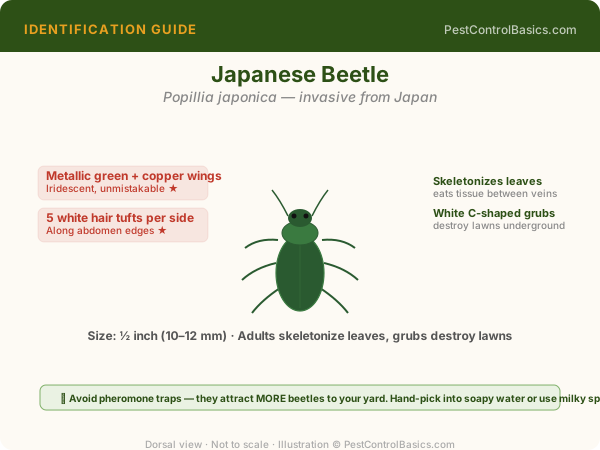
Original illustration by PestControlBasics.com. Use anatomical labels above to confirm your identification.
🧰 What You'll Need
Pheromone monitoring traps (NOT for control)Chlorantraniliprole (grubs)Pyrethroid sprayNeem oil
📋 Steps
1
Monitor adults — don't trap for control
If you want to know when beetles arrive, catch a few on sticky cards or observe your most-preferred plants (roses, linden). Commercial pheromone traps attract more beetles than they catch — don't use them for control, only for monitoring.
2
Hand-pick adults in the morning
Beetles are sluggish in cool morning temperatures. Shake infested plants over a bucket of soapy water early in the morning — this is remarkably effective for moderate infestations on accessible plants.
3
Treat grubs in late June to mid-July
Apply chlorantraniliprole (Scotts GrubEx, Acelepryn) to the lawn in late June-July when grubs are young and near the surface. Water in immediately after application. This is the most important and most time-sensitive step.
4
Apply neem oil as a feeding deterrent on plants
Neem oil applied weekly to preferred plants (roses, grapes) makes the foliage less palatable and interrupts beetle feeding behavior. Not a knockdown treatment — a deterrent.
5
Use pyrethroid spray only for severe infestations
Bifenthrin or permethrin spray kills adult beetles on contact but has short residual. Use when beetle pressure is severe and hand-picking is insufficient. Avoid spraying open flowers to minimize bee contact.
💡 Pro Tips
- Beetles disperse from your property throughout the day — morning populations are highest because they haven't left yet
- Grub control this year reduces adult pressure 2 years from now (grubs take 2 years to become adults in many species)
- Milky spore (Paenibacillus popilliae) provides long-term biological grub control but takes 2-3 years to establish in soil