πŸͺ² Alfalfa Weevil

Hypera postica Β· Coleoptera: Curculionidae

Alfalfa weevil is the most economically important insect pest of alfalfa in the US. First-cutting quality and yield losses can be severe without timely management.

Alfalfa WeevilCurculionidaeForageDegree DayHayFirst Cutting
πŸͺ²
Risk Level
Forage Pest
πŸ”¬
PestControlBasics Editorial Team
Reviewed by Derek Giordano Β· Updated 2026
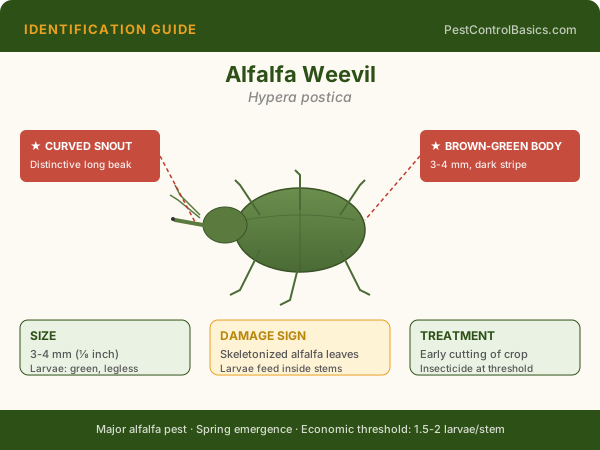
Alfalfa Weevil identification guide illustration

Illustrated identification guide β€” PestControlBasics.com

πŸ” Identification

Adults: 4-5mm; grayish-brown with dark dorsal stripe; long curved snout; overwinter in alfalfa fields or field margins. Larvae: legless-looking; green with white dorsal stripe and black head; found feeding in buds and on leaves. Damage: skeletonized leaves; bud destruction; white-tipped stems in heavily infested fields β€” the 'frostbitten' appearance is diagnostic.

🧬 Biology & Behavior

Eggs are laid in alfalfa stems in fall and spring. Larvae hatch in spring (timing varies by region β€” guided by degree-day accumulations above 48Β°F). Larvae are most damaging in early instars when they feed inside buds. When 30-50% of plants show tip feeding damage, spray threshold has been exceeded. Early cutting (before typical first-cutting date) provides mechanical control in many situations.

⚠️ Damage & Health Risk

30-50% yield losses in severe infestations; reduced first-cutting protein content; weakened plants less able to regrow after cutting; significant economic impact on hay production.

πŸ”§ DIY Treatment

Degree-day monitoring to predict larval emergence timing. Chlorpyrifos, malathion, or pyrethroids at threshold (30% of plants with tip feeding, 3+ larvae per stem average). Early cutting as alternative β€” cutting removes larvae mechanically and exposes survivors to sun and predators. Parasitoid wasp (Bathyplectes curculionis) provides natural biological control.

πŸ‘· When to Call a Pro

Licensed applicator programs guided by university extension degree-day models and field scouting threshold protocols.

❓ FAQ

Can I avoid spraying for alfalfa weevil by cutting early?
Yes β€” early cutting (at or before first bud stage) is an effective management tool when larval populations are moderate. Cutting removes the majority of larvae with the hay. Heat and desiccation kill exposed surviving larvae. Early cutting also increases second-growth quality by removing the damaged crop. However, in heavy infestations before the cutting window, spray may be needed first.
How do I know when alfalfa weevil larvae will emerge?
Degree-day accumulations above 48Β°F from January 1 predict larval emergence. At approximately 200-300 degree-days (varies by region), egg-hatch begins. University extension programs in most alfalfa-producing states provide real-time degree-day maps. Field scouting to confirm threshold is still required before spray decisions.

πŸ“š More on This Topic

Related guides and profiles:

πŸ”— πŸͺ² Stored Grain Weevils β€” 3-Species GuideπŸ”— πŸͺ² Rice Weevil
🧪 Recommended Treatment Products
Bifenthrin Carbaryl (Sevin) Beneficial Nematodes IPM Guide
Full product guides with mixing rates and safety info. → Browse All 130 Pesticide Guides
🔗 Related Pests
Pepper Weevil Corn Rootworm Fescue Billbug Vine Weevil
Compare similar pests to confirm your identification. → Use our ID Flowchart
πŸ“š Sources: EPA Safe Pest Control Β· NPMA Pest Guide
Published: Jan 1, 2025 Β· Updated: Apr 7, 2026

πŸ—ΊοΈ US Distribution β€” Alfalfa Weevil

image/svg+xml
Common Occasional Not Present
States Present
49
Occasional
2
Primary Region
All agricultural regions
πŸ“Š Source: University extension services, USDA, CDC vector data, and published entomological surveys.