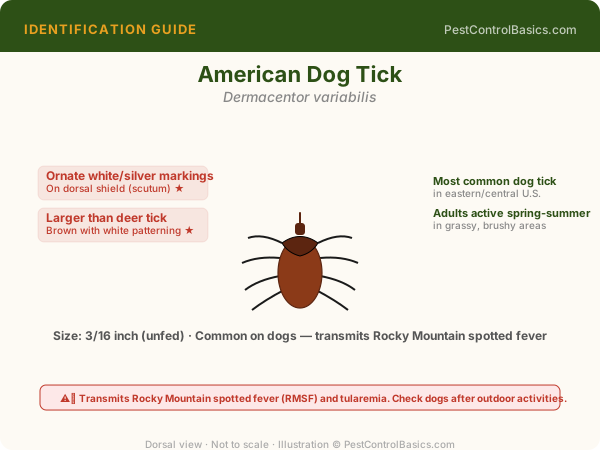
Original illustration by PestControlBasics.com. Use the labeled features above to confirm your identification.
🔍 Identification
Adults: 5-6mm unfed; reddish-brown with distinctive white/silver markings on scutum (dorsal plate) — different pattern in male vs female; much larger than deer tick. Active April-August. Found on: dogs, deer, rodents, and humans in grassy and brushy areas. Range: primarily eastern US east of the Rockies, plus Pacific Coast populations.
🧬 Biology & Behavior
American dog tick vectors Rocky Mountain Spotted Fever (Rickettsia rickettsii) — the most lethal tick-borne disease in the US with 20-25% mortality if untreated. Also vectors tularemia and can cause tick paralysis. Unlike deer tick (Lyme), RMSF requires only 2-20 hours of attachment for transmission — making tick checks critical but the time window shorter. RMSF can kill within 8 days of symptom onset without treatment. The classic rash appears 2-4 days after fever onset — appearing on wrists and ankles first.
⚠️ Damage & Health Risk
Rocky Mountain Spotted Fever — potentially fatal without prompt antibiotic treatment; tularemia; tick paralysis; standard tick bite reactions.
🔧 DIY Treatment
Permethrin-treated clothing for outdoor activities. DEET or picaridin on skin. Tick checks after outdoor activity — remove promptly. May and September perimeter bifenthrin spray on lawn edges and wooded borders.
👷 When to Call a Pro
Professional tick management programs with May and September spray plus tick tube placement reduces tick populations significantly.