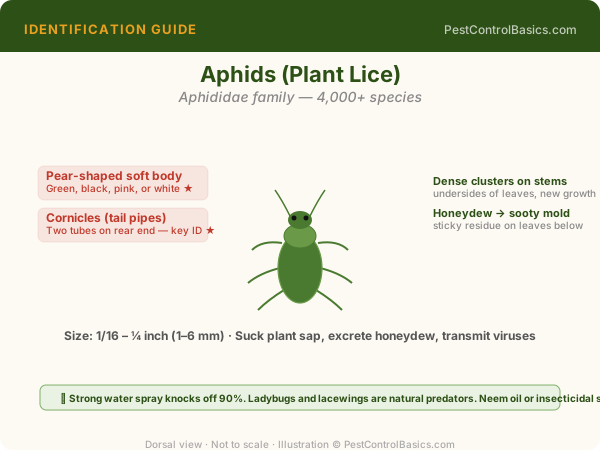
Original illustration by PestControlBasics.com. Use the labeled features above to confirm your identification.
🔍 Identification
Adults: 2-3mm; pink or green (both colors occur in the same colony); long cornicles (tail pipes); long antennae; found in dense colonies on new growth, buds, and stem tips of roses. The pink coloring in some generations is distinctive — the same colony may contain both green and pink individuals. Heavy infestations turn rose bud tips into solid masses of aphids.
🧬 Biology & Behavior
Overwinters as eggs on rose canes. Hatches in spring when new growth begins — the first generation's arrival is precisely timed to new rose growth. Multiple overlapping generations through the season. Winged forms disperse in summer to secondary hosts (various wild relatives of rose). Ants tending rose aphid colonies are a reliable indicator of heavy infestation.
⚠️ Damage & Health Risk
Distorted new growth; sticky honeydew contaminating blooms; sooty mold on honeydew; bud deformity preventing normal bloom opening; virus transmission possible.
🔧 DIY Treatment
Strong water spray three times per week is highly effective for moderate infestations. Insecticidal soap applied to colonies on stem tips and buds. Control ants tending the aphids (Tanglefoot band on main stem). Systemic imidacloprid for persistent severe infestations.
👷 When to Call a Pro
For rose gardens, professional application of systemic soil drench in early spring provides season-long protection before populations establish.