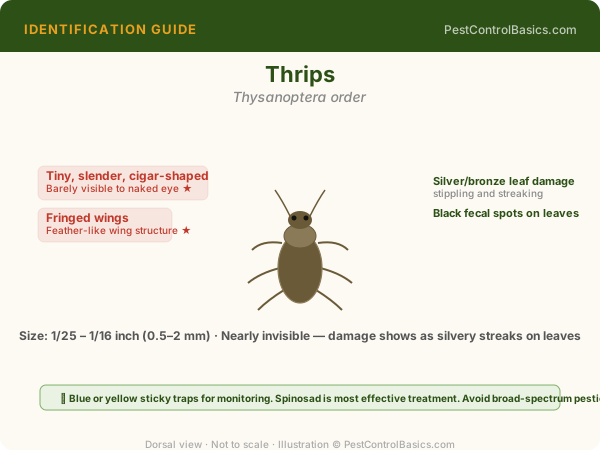
Original illustration by PestControlBasics.com. Use the labeled features above to confirm your identification.
🔍 Identification
Thrips: 1-2mm; slender; straw-yellow to dark brown; fringed wings; jump when disturbed. Detected by tapping a suspect bloom over white paper — tiny insects fall out. On roses: feeding in developing buds causes silvery streaking on petals, distorted blooms, and brown petal edges when flowers open. Gladiolus thrips: similar damage on gladiolus; darker coloring.
🧬 Biology & Behavior
Western flower thrips (the most common ornamental thrips) has 15+ generations per year in greenhouses; fewer outdoors. Populations build rapidly in warm, dry conditions. They feed by rasping plant cells and consuming the contents — the silvery stippling on petals is the hallmark of thrips feeding. Most active in developing buds before bloom opening.
⚠️ Damage & Health Risk
Distorted, discolored blooms; silvery streaking or brown edges on rose petals; failed blooms; virus transmission (TSWV, INSV) in greenhouse settings.
🔧 DIY Treatment
Blue sticky traps for monitoring (thrips are more attracted to blue than yellow). Spinosad spray targeting developing buds every 5-7 days during peak activity. Neem oil as a deterrent. For severe pressure: systemic imidacloprid through the soil reaches feeding thrips. Avoid overhead irrigation which displaces thrips to new flowers.
👷 When to Call a Pro
Greenhouse rose production requires professional IPM programs with biological controls (Amblyseius cucumeris predatory mites) to manage thrips sustainably.