πŸ•·οΈ Black Widow vs Brown Recluse

Latrodectus / Loxosceles Β· Araneae

Knowing which venomous spider is relevant to your location is essential β€” black widows are everywhere in the US, while brown recluse is limited to a specific geographic range.

SpiderBlack WidowBrown RecluseVenomousMedicalComparison
πŸ•·οΈ
Risk Level
Medical Comparison
πŸ“ FIELD GUIDE ILLUSTRATION
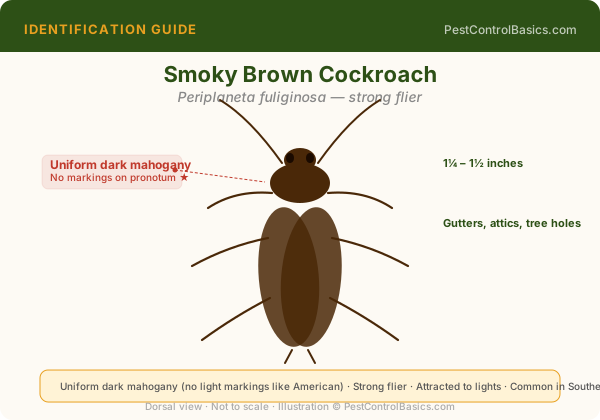
Smoky Brown Cockroach (Periplaneta fuliginosa) identification illustration with labeled anatomical features β€” PestControlBasics.com

Original illustration by PestControlBasics.com. Use anatomical labels above to confirm your identification.
πŸ“ FIELD GUIDE ILLUSTRATION
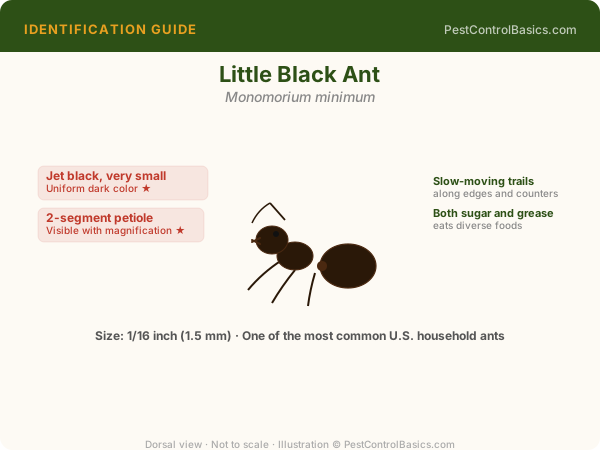
Little Black Ant (Monomorium minimum) identification illustration with labeled anatomical features β€” PestControlBasics.com

Original illustration by PestControlBasics.com. Use anatomical labels above to confirm your identification.
πŸ“ FIELD GUIDE ILLUSTRATION
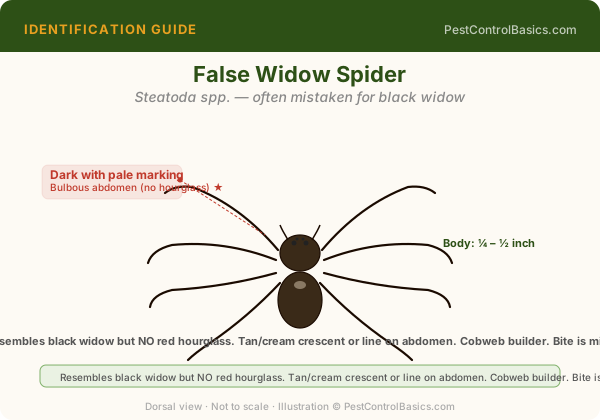
False Widow (Steatoda spp.) identification illustration with labeled anatomical features β€” PestControlBasics.com

Original illustration by PestControlBasics.com. Use anatomical labels above to confirm your identification.
πŸ“ FIELD GUIDE ILLUSTRATION
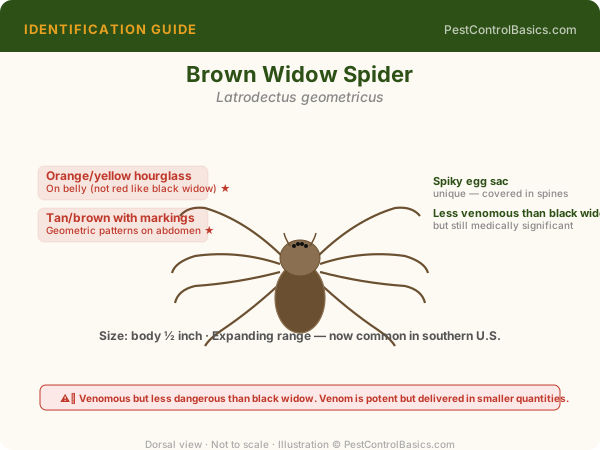
Brown Widow (Latrodectus geometricus) identification illustration with labeled anatomical features β€” PestControlBasics.com

Original illustration by PestControlBasics.com. Use anatomical labels above to confirm your identification.
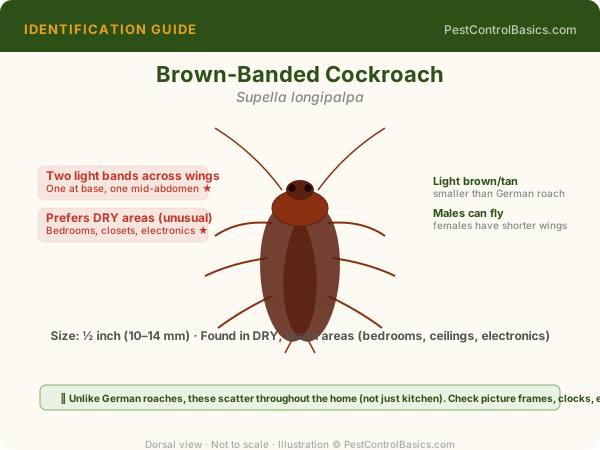
πŸ“ FIELD GUIDE ILLUSTRATION
Brown Banded Cockroach (Supella longipalpa) identification illustration with labeled anatomical features β€” PestControlBasics.com

Original illustration by PestControlBasics.com. Use anatomical labels above to confirm your identification.

πŸ”¬
PestControlBasics Editorial Team
Reviewed by Derek Giordano Β· Updated 2026

πŸ” Identification

Black widow: All 48 states; found outdoors in undisturbed areas; web in low positions; distinctive red hourglass. Bite: immediate pain, muscle cramps, sweating, nausea (latrodectism) β€” systemic. Brown recluse: Verified range in central/south-central US; found indoors in dark, undisturbed spaces; no web (wandering hunter); violin marking (unreliable ID alone). Bite: initially painless, potentially necrotic wound developing over 2-8 days β€” localized. Key difference: Black widow bite = immediate systemic symptoms. Brown recluse bite = localized wound development over days.

🧬 Biology & Behavior

The most important practical fact: outside the verified brown recluse range (the central US from Nebraska to Alabama), brown recluse is essentially absent despite widespread claims. The vast majority of suspected recluse bites outside this range are misdiagnosed conditions. Black widow is present in all 48 states and is the venomous spider relevant to most Americans.

⚠️ Damage & Health Risk

Black widow: latrodectism requiring physician evaluation. Brown recluse: potential necrotic wound requiring physician care. Both require medical attention but produce completely different clinical pictures.

πŸ”§ DIY Treatment

Both: bifenthrin perimeter spray reduces populations. Sticky traps for monitoring. Eliminate harborage and clutter. Black widow: monthly spray during warm months. Brown recluse: void treatment with CimeXa in addition to spray.

πŸ‘· When to Call a Pro

For homes with confirmed activity of either species: professional void treatment is recommended.

❓ FAQ

Which is more dangerous β€” black widow or brown recluse?
Both can cause serious medical problems but context matters. Black widow venom is more potent per milligram but most bites inject small amounts and cause discomfort rather than death. Brown recluse bites occasionally cause severe necrotic wounds requiring significant medical treatment. Black widows bite more predictably; brown recluse bites are almost always accidental when the spider is disturbed. Fatalities from either are extremely rare in the US with access to medical care.
I'm in California β€” can I have brown recluse?
Brown recluse is not established in California. Occasional specimens may be transported via shipments or moving companies, but there is no established California population. Most Californians who believe they have brown recluse have actually found cellar spiders, yellow sac spiders, or other non-dangerous species. If you find a spider in California that you believe is a brown recluse, photograph it and submit to the local university extension or r/spiders for identification.
πŸ“š Sources: EPA Cockroach Control Β· CDC Cockroach Allergens
Published: Jan 1, 2025 Β· Updated: Apr 7, 2026

πŸ—ΊοΈ US Distribution β€” Black Widow vs Brown Recluse

image/svg+xml
Common Occasional Not Present
States Present
16
Occasional
10
Primary Region
South-Central & Midwest
πŸ“Š Source: University extension services, USDA, CDC vector data, and published entomological surveys.