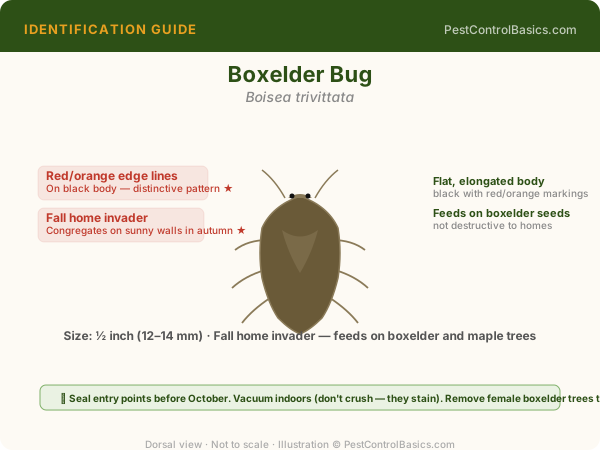
Original illustration by PestControlBasics.com. Use anatomical labels above to confirm your identification.
🔍 Identification
Adults: 11-14mm; distinctive black body with bright red/orange markings — three stripes behind head, red wing veins, red abdomen sides. Nymphs: bright red, gradually acquiring black as they mature. Found in large numbers on boxelder trees (Acer negundo) in summer, then aggregating on buildings in fall.
🧬 Biology & Behavior
Boxelder bugs feed almost exclusively on seeds of boxelder trees (and occasionally silver maple and ash). They're not damaging to the trees. In fall, adults aggregate in large numbers on south and west-facing buildings to overwinter — identical behavior to stink bugs. They release aggregation pheromones attracting more bugs year after year.
⚠️ Damage & Health Risk
Nuisance invasion in fall; staining from defensive secretions when crushed; foul odor when disturbed; may bite defensively if handled. No structural damage, no breeding indoors, no food contamination.
🔧 DIY Treatment
The most effective long-term solution: remove female boxelder trees within 100 yards (male trees don't produce seeds that boxelder bugs feed on). September perimeter spray with bifenthrin or lambda-cyhalothrin before they begin seeking entry. Seal exterior gaps. Vacuum indoor individuals — don't crush.
👷 When to Call a Pro
Annual September perimeter spray is the standard service call approach for boxelder bugs.