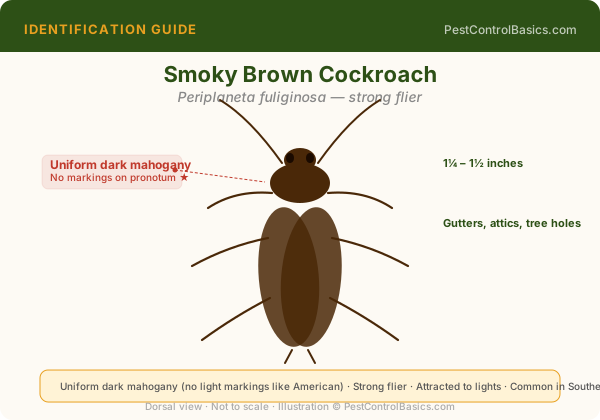
Original illustration by PestControlBasics.com. Use anatomical labels above to confirm your identification.
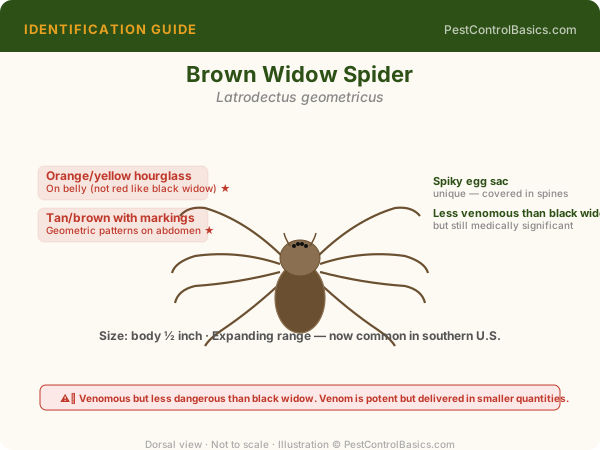
Original illustration by PestControlBasics.com. Use anatomical labels above to confirm your identification.
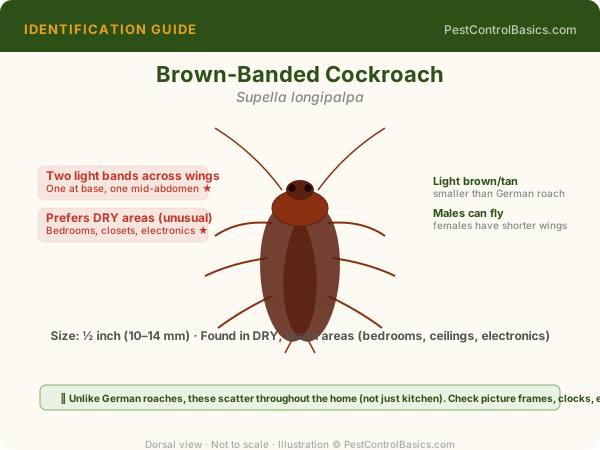
Original illustration by PestControlBasics.com. Use anatomical labels above to confirm your identification.
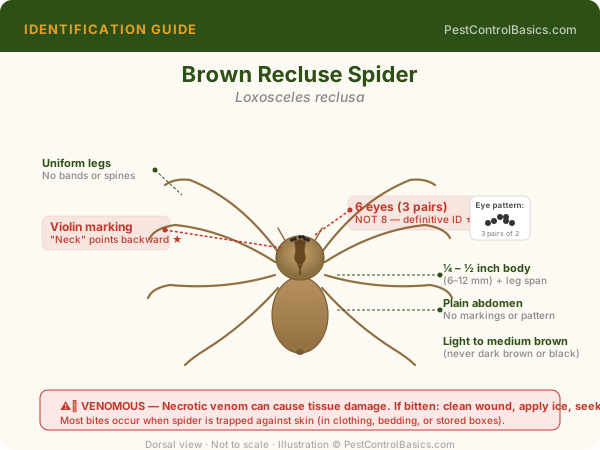
Original illustration by PestControlBasics.com. Use anatomical labels above to confirm your identification. For photo references, see the identification section below.
🔍 Identification
Preferred habitat inside structures: storage areas with undisturbed cardboard boxes, clothing stored in closets for extended periods, spaces under furniture, between stored books, in wall voids with access to interior. NOT commonly found outdoors in the US — they've adapted to the stable temperature, humidity, and prey base found inside structures. The 'recluse' behavior (avoiding humans) means many homes have undisturbed populations for years without bites.
🧬 Biology & Behavior
Activity: nocturnal hunters that don't use webs to catch prey — they actively hunt. Males wander more widely than females during mating season (June-September) — this is when most bites occur, from males encountered accidentally in shoes, clothing, or bedding. Females stay close to their retreats. A 2001 Missouri study found an average of 13 recluse spiders in homes across a full year without any bites.
⚠️ Damage & Health Risk
Necrotic bite wound in small percentage of bites (10-15%); systemic effects in rare severe cases; significant anxiety from confirmed presence.
🔧 DIY Treatment
Sticky trap monitoring along all baseboards in suspect rooms — the primary detection method. CimeXa dust applied to all wall voids through electrical outlets. Bifenthrin spray along all baseboards. Shake and inspect clothing and shoes before wearing.
👷 When to Call a Pro
Professional void treatment combining CimeXa in wall spaces and residual spray — recommended for confirmed heavy infestations.