πŸ—ΊοΈ Brown Recluse Range β€” 2026

Loxosceles reclusa Β· Araneae: Sicariidae

Brown recluse is genuinely present in a specific geographic region. Knowing whether you're inside or outside the verified range is the most important piece of brown recluse information.

Brown RecluseRange Map2026MisidentificationVerified RangeSicariidae
πŸ—ΊοΈ
Risk Level
Range Reference
πŸ“ FIELD GUIDE ILLUSTRATION
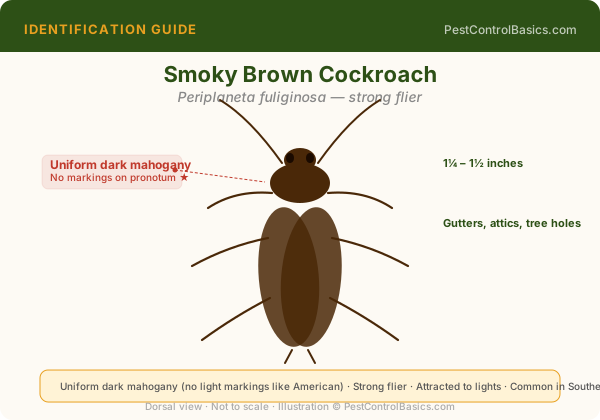
Smoky Brown Cockroach (Periplaneta fuliginosa) identification illustration with labeled anatomical features β€” PestControlBasics.com

Original illustration by PestControlBasics.com. Use anatomical labels above to confirm your identification.
πŸ“ FIELD GUIDE ILLUSTRATION
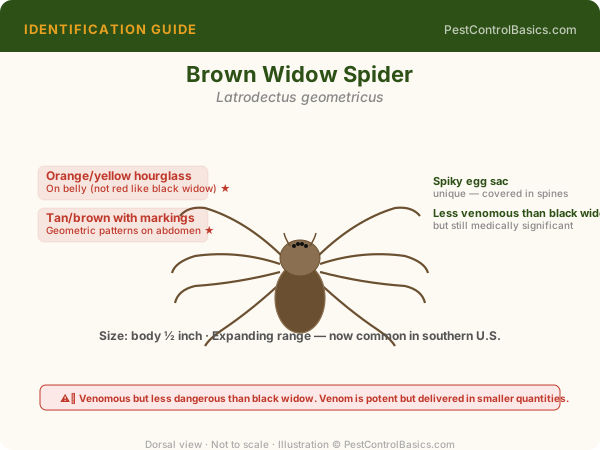
Brown Widow (Latrodectus geometricus) identification illustration with labeled anatomical features β€” PestControlBasics.com

Original illustration by PestControlBasics.com. Use anatomical labels above to confirm your identification.
πŸ“ FIELD GUIDE ILLUSTRATION
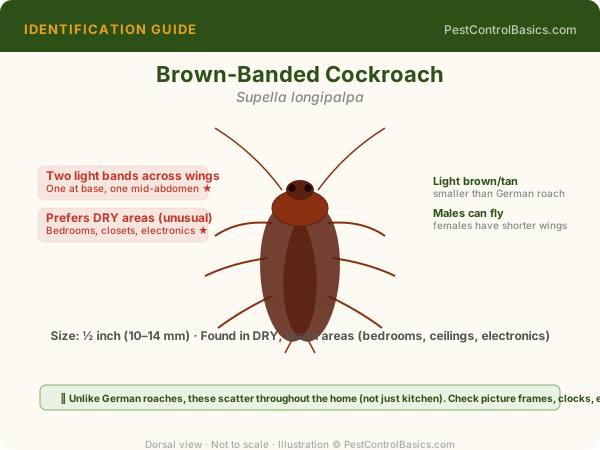
Brown Banded Cockroach (Supella longipalpa) identification illustration with labeled anatomical features β€” PestControlBasics.com

Original illustration by PestControlBasics.com. Use anatomical labels above to confirm your identification.

πŸ”¬
PestControlBasics Editorial Team
Reviewed by Derek Giordano Β· Updated 2026

πŸ” Identification

Core range (high density, well-documented): Missouri, Arkansas, Kansas, Oklahoma, Tennessee, Mississippi, Alabama, Kentucky. Moderate range: Iowa, Illinois, Indiana, Ohio, Georgia, Louisiana, Texas (east and central), Nebraska (southeastern). Peripheral/sporadic: North Carolina, South Carolina (southern), Virginia (southwestern). NOT established: California (occasional transport only), Pacific Northwest, New England, Florida, Great Plains north of Kansas, Rocky Mountain states. The NONE column is critical β€” the vast majority of suspected 'recluse bites' in California and the Northeast are something else entirely.

🧬 Biology & Behavior

Loxosceles reclusa is definitively associated with the central and south-central United States. A 2001 study in Missouri found an average of 13 recluse spiders inside homes without any bites occurring β€” the spiders avoid humans actively. Most documented bites occur when the spider is accidentally trapped against skin. Outside the verified range, alternative diagnoses for necrotic wounds include: MRSA infection (most common), other bacterial infections, vascular disorders, and other arthropod bites.

⚠️ Damage & Health Risk

Necrotic skin wounds requiring medical treatment (10-15% of bites); systemic effects in rare severe cases; significant psychological distress from misdiagnosis outside the range.

πŸ”§ DIY Treatment

Inside range: sticky traps along baseboards in undisturbed rooms; professional void treatment with CimeXa and residual spray if confirmed. Outside range: rule out other causes for suspected bites before assuming recluse.

πŸ‘· When to Call a Pro

For homes with confirmed heavy infestations inside the range: professional void treatment is recommended.

❓ FAQ

Can brown recluse be in California?
Occasional individual specimens transported via moving boxes, shipments, or travel are found in California but the spider is not established there. There is no self-sustaining California population. If you find a spider in California that looks like a brown recluse, send a photo to your county extension office or post to r/spiders β€” it's almost certainly something else.
What actually causes necrotic wounds if not brown recluse?
MRSA (methicillin-resistant Staphylococcus aureus) is the most common cause of wounds misdiagnosed as recluse bites outside the range β€” accounting for a significant portion of 'necrotic spider bite' ER visits. MRSA creates expanding necrotic wounds that look identical to recluse bites. Outside the range, MRSA culture should be the first diagnostic test, not assumed recluse.
πŸ“š Sources: EPA Cockroach Control Β· CDC Cockroach Allergens
Published: Jan 1, 2025 Β· Updated: Apr 7, 2026

πŸ—ΊοΈ US Distribution β€” Brown Recluse Verified Range 2026

image/svg+xml
Common Occasional Not Present
States Present
16
Occasional
10
Primary Region
South-Central & Midwest
πŸ“Š Source: University extension services, USDA, CDC vector data, and published entomological surveys.