πŸ•·οΈ Brown Widow

Latrodectus geometricus Β· Araneae: Theridiidae

Brown widows have colonized much of the southern US and are now more commonly found than black widows in Florida and southern California. Their spiky white egg sacs are the fastest ID feature.

SpiderBrown WidowTheridiidaeInvasiveVenomousSpiky Egg Sac
πŸ•·οΈ
Risk Level
Venomous Spider
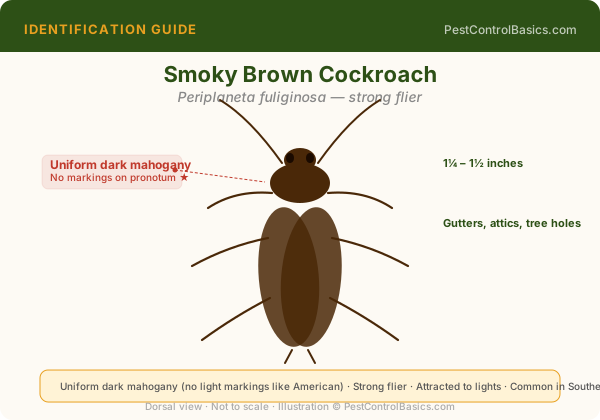
πŸ“ FIELD GUIDE ILLUSTRATION
Smoky Brown Cockroach (Periplaneta fuliginosa) identification illustration with labeled anatomical features β€” PestControlBasics.com

Original illustration by PestControlBasics.com. Use anatomical labels above to confirm your identification.
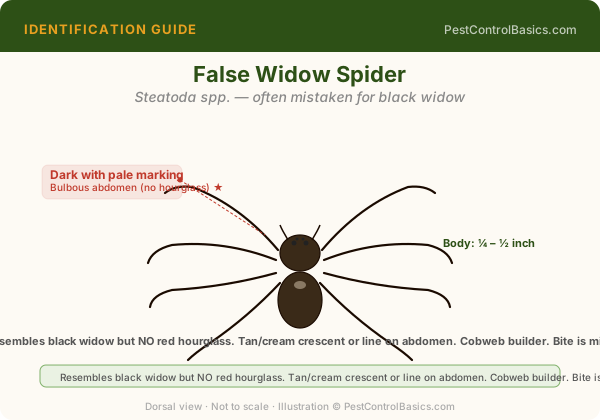
πŸ“ FIELD GUIDE ILLUSTRATION
False Widow (Steatoda spp.) identification illustration with labeled anatomical features β€” PestControlBasics.com

Original illustration by PestControlBasics.com. Use anatomical labels above to confirm your identification.
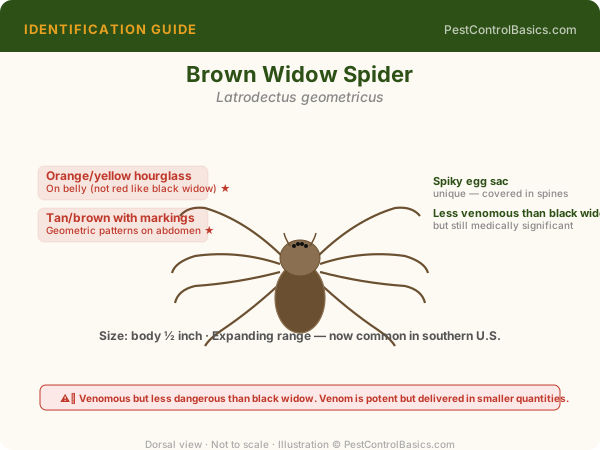
πŸ“ FIELD GUIDE ILLUSTRATION
Brown Widow (Latrodectus geometricus) identification illustration with labeled anatomical features β€” PestControlBasics.com

Original illustration by PestControlBasics.com. Use anatomical labels above to confirm your identification.
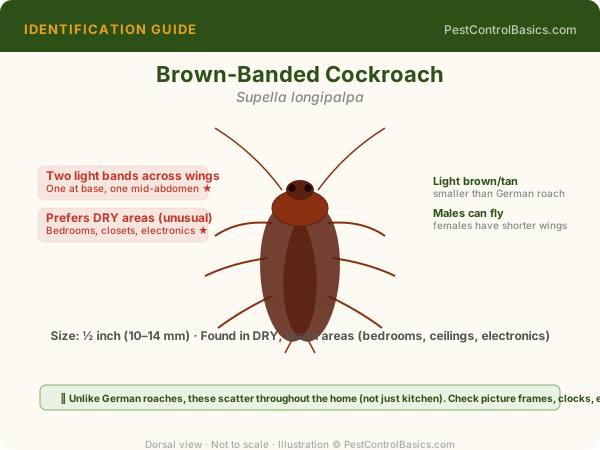
πŸ“ FIELD GUIDE ILLUSTRATION
Brown Banded Cockroach (Supella longipalpa) identification illustration with labeled anatomical features β€” PestControlBasics.com

Original illustration by PestControlBasics.com. Use anatomical labels above to confirm your identification.

πŸ”¬
PestControlBasics Editorial Team
Reviewed by Derek Giordano Β· Updated 2026

πŸ” Identification

Female: 7-10mm body; brown (variable β€” tan to almost black); orange-yellow hourglass on abdomen underside (hourglass is less distinctive than black widow's red). Egg sac: spiky, white, with characteristic pointed projections β€” completely distinctive and unlike the smooth egg sacs of black widows. Males: smaller, patterned. Found in similar locations to black widows but adapts more readily to urban environments β€” under patio furniture, in plant pots, in mailboxes.

🧬 Biology & Behavior

Introduced from Africa (exact origin uncertain), now established in Florida, California, Texas, Louisiana, Georgia, and spreading northward. Actively displaces black widows from urban areas β€” studies show brown widow presence correlates with reduced black widow density. Less venomous than black widow β€” venom is approximately half as potent. Bites are medically significant but rarely require antivenin in healthy adults.

⚠️ Damage & Health Risk

Venomous bite causing localized pain and possible systemic symptoms (less severe than black widow); psychological concern; egg sacs in commonly-used outdoor furniture create unexpected encounter risk.

πŸ”§ DIY Treatment

Monthly bifenthrin perimeter spray reduces populations. Remove egg sacs (gloved hands, dispose in sealed bag) β€” the distinctive spiky sacs make targeted removal straightforward. Check under outdoor furniture and plant pots regularly. Remove debris and harborage near outdoor living areas.

πŸ‘· When to Call a Pro

Rarely warranted β€” perimeter spray is adequate management.

❓ FAQ

Is a brown widow bite dangerous?
Brown widow venom is approximately half as potent as black widow venom per volume. Bites are painful and can cause local and mild systemic symptoms, but severe latrodectism requiring antivenin is less common than from black widow bites. All suspected widow bites should be evaluated by a physician. The bite risk from brown widows is real but lower than from black widows.
Are brown widows replacing black widows?
In southern California and Florida, yes β€” studies have documented that brown widow colonization of urban areas correlates with significant reductions in western/southern black widow populations. The mechanism isn't fully understood but may involve competition for web sites and prey or direct predation of black widow egg sacs.
πŸ“š Sources: EPA Cockroach Control Β· CDC Cockroach Allergens
Published: Jan 1, 2025 Β· Updated: Apr 7, 2026

πŸ—ΊοΈ US Distribution β€” Brown Widow

image/svg+xml
Common Occasional Not Present
States Present
49
Occasional
2
Primary Region
Continental US
πŸ“Š Source: University extension services, USDA, CDC vector data, and published entomological surveys.