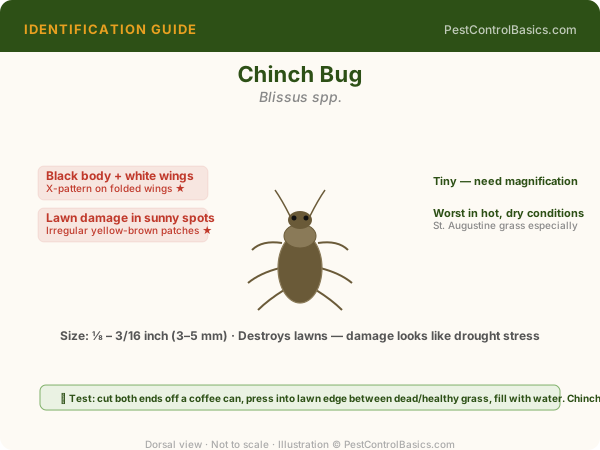
Original illustration by PestControlBasics.com. Use the labeled features above to confirm your identification.
🔍 Identification
Adults: 4-5mm; black with white wings folded flat over abdomen creating an 'X' pattern. Nymphs: red-orange with a white band across the abdomen. Most easily found by pressing a coffee can with both ends removed into the lawn edge — fill with water, chinch bugs float to the surface within minutes.
Primary target: St. Augustine grass. Also attacks zoysia, bermudagrass, and centipede grass.
🧬 Biology & Behavior
Chinch bugs feed by piercing grass blades and sucking fluids while injecting a salivary toxin that blocks water movement in the plant. Damage appears as irregular yellow-to-brown patches that expand outward from the damage point. Unlike drought, chinch bug damage doesn't recover with irrigation.
⚠️ Damage & Health Risk
Irregular dead patches that expand outward; yellowing followed by browning; damage worst in full sun areas and along hot pavement edges; St. Augustine most susceptible. The water can float test is definitive.
🔧 DIY Treatment
Apply bifenthrin, imidacloprid, or thiamethoxam granular treatment to the affected area and 10-foot buffer zone. Water the product in. Apply in early morning when chinch bugs are active near the surface. Repeat in 3 weeks. Avoid over-application of nitrogen fertilizer — this promotes chinch bug populations.
👷 When to Call a Pro
For large lawn areas or resistant populations, a professional lawn treatment service is more cost-effective than multiple DIY applications.