🐝 Cicada Killer Wasp

Sphecius speciosus · Hymenoptera: Crabronidae

Finding a 2-inch wasp burrowing in your lawn is alarming — but cicada killers are so docile that entomologists commonly pick them up bare-handed. This is not a threat requiring treatment.

Cicada KillerHarmlessGround NestingSolitary WaspCrabronidaeLarge Wasp
🐝
Risk Level
Beneficial / Nuisance
📐 FIELD GUIDE ILLUSTRATION
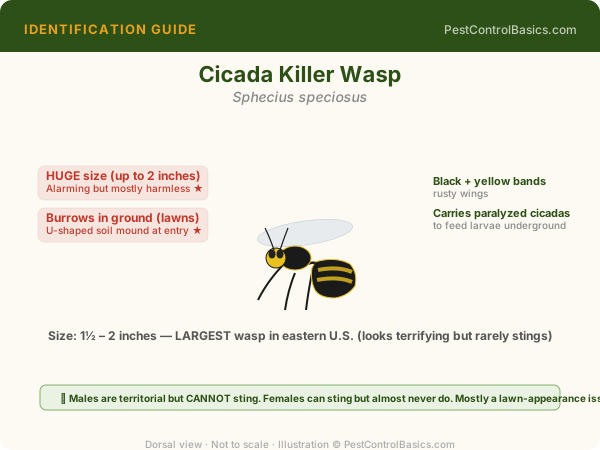
Cicada killer wasp (Sphecius speciosus) identification illustration with labeled anatomical features — PestControlBasics.com

Original illustration by PestControlBasics.com. Use the labeled features above to confirm your identification.

🔬
PestControlBasics Editorial Team
Reviewed by Derek Giordano · Updated 2026

🔍 Identification

Adults: 30-50mm (largest wasp in North America); black with yellow markings on abdomen; rust-colored thorax; large compound eyes. Females: burrow in lawns and bare soil, hunt and paralyze cicadas, provision nest chambers. Males: territorial, buzz aggressively around people — cannot sting (males lack stingers). Found July-September when cicadas are present. Multiple burrows in lawns are common.

🧬 Biology & Behavior

Female cicada killers hunt annual cicadas, paralyze them with venom, and drag them to underground nest chambers where they lay a single egg per chamber. The larvae feed on the paralyzed cicada. Each female operates independently — they're solitary, not colonial. Multiple females nesting in the same area creates an aggregation that looks like a colony but is not. The bare soil patches they prefer (south-facing, compacted, well-drained) are the key management target.

⚠️ Damage & Health Risk

Aesthetic: multiple burrow holes in lawn; mounds of soil at burrow entrances; territorial male buzzing around people (harmless). Minimal structural or health concern — female stings are extremely rare and mild.

🔧 DIY Treatment

Tolerance is the recommended approach — they provide cicada population control and are gone by September. To reduce nesting: improve lawn density with overseeding (they prefer bare soil); avoid bare patches in high-traffic lawn areas; water regularly (they prefer dry, compacted soil). If removal is essential: carbaryl or bifenthrin applied to burrow entrances in the evening.

👷 When to Call a Pro

Rarely warranted — tolerance is appropriate in most situations.

❓ FAQ

Will a cicada killer wasp sting me?
The males that aggressively buzz around people cannot sting — they lack stingers. Females can sting if directly grabbed but are otherwise extremely docile and go about their hunting. Cicada killer stings to humans are rare and documented cases typically involve someone accidentally grabbing or stepping on a female. They're among the most harmless large insects despite their imposing appearance.
How many cicada killer burrows is normal?
Individual lawns can have dozens of burrow entrances — each belongs to an independent female, not a shared colony. Dense aggregations of burrows mean the site is preferred nesting habitat (south-facing, warm, well-drained soil). The aggregation is temporary — adults are present only July-September.
📚 Sources: EPA Cockroach Control · CDC Cockroach Allergens
Published: Jan 1, 2025 · Updated: Apr 7, 2026

🗺️ US Distribution — Cicada Killer Wasp

image/svg+xml
Common Occasional Not Present
States Present
49
Occasional
2
Primary Region
Continental US
📊 Source: University extension services, USDA, CDC vector data, and published entomological surveys.