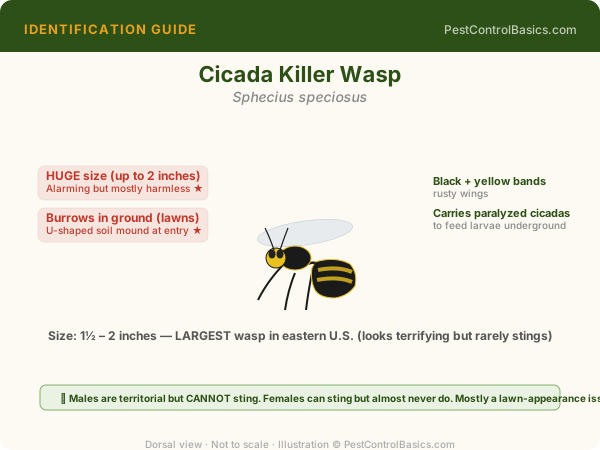
Original illustration by PestControlBasics.com. Use the labeled features above to confirm your identification.
🔍 Identification
Adults: 30-50mm (largest wasp in North America); black with yellow markings on abdomen; rust-colored thorax; large compound eyes. Females: burrow in lawns and bare soil, hunt and paralyze cicadas, provision nest chambers. Males: territorial, buzz aggressively around people — cannot sting (males lack stingers). Found July-September when cicadas are present. Multiple burrows in lawns are common.
🧬 Biology & Behavior
Female cicada killers hunt annual cicadas, paralyze them with venom, and drag them to underground nest chambers where they lay a single egg per chamber. The larvae feed on the paralyzed cicada. Each female operates independently — they're solitary, not colonial. Multiple females nesting in the same area creates an aggregation that looks like a colony but is not. The bare soil patches they prefer (south-facing, compacted, well-drained) are the key management target.
⚠️ Damage & Health Risk
Aesthetic: multiple burrow holes in lawn; mounds of soil at burrow entrances; territorial male buzzing around people (harmless). Minimal structural or health concern — female stings are extremely rare and mild.
🔧 DIY Treatment
Tolerance is the recommended approach — they provide cicada population control and are gone by September. To reduce nesting: improve lawn density with overseeding (they prefer bare soil); avoid bare patches in high-traffic lawn areas; water regularly (they prefer dry, compacted soil). If removal is essential: carbaryl or bifenthrin applied to burrow entrances in the evening.
👷 When to Call a Pro
Rarely warranted — tolerance is appropriate in most situations.