πŸͺ° Cluster Fly

Pollenia rudis Β· Diptera: Polleniidae

Cluster flies spend summer as earthworm parasites in lawns, then invade attics in September to hibernate. By the time you see them, thousands are already inside β€” September prevention is everything.

Cluster FlyPolleniidaeAtticEarthworm ParasiteSeptemberOverwintering
πŸͺ°
Risk Level
Fall Invader
πŸ“ FIELD GUIDE ILLUSTRATION
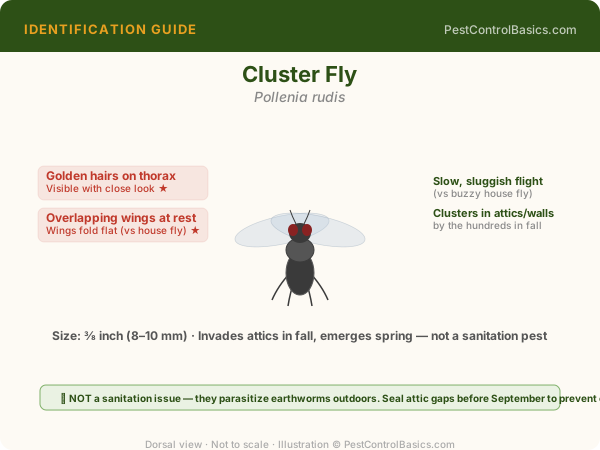
Cluster Fly (Pollenia rudis) identification illustration with labeled anatomical features β€” PestControlBasics.com

Original illustration by PestControlBasics.com. Use anatomical labels above to confirm your identification.

πŸ”¬
PestControlBasics Editorial Team
Reviewed by Derek Giordano Β· Updated 2026

πŸ” Identification

Adults: 10-12mm; dark grey; golden-yellow hairs on thorax (visible with magnification); sluggish, slow fliers especially in cool conditions; found in large clusters in attics, wall voids, and upper areas of structures from October through March. Distinguished from house flies by larger size, sluggish behavior, and overlapping wing position at rest.

🧬 Biology & Behavior

Life cycle: adults emerge in spring from attic overwintering sites β†’ lay eggs in soil near earthworms β†’ larvae develop as obligate earthworm parasites (live inside earthworms) β†’ pupate in soil β†’ new adults emerge in late summer β†’ begin seeking overwintering sites in September. The earthworm parasitism means properties with lush lawns (high earthworm density) have higher cluster fly populations. September is when adults actively seek entry β€” treating before or immediately at this time intercepts 90% of the population.

⚠️ Damage & Health Risk

Thousands of flies hibernating in attic spaces; winter emergence into living spaces on warm days; spring emergence through ceiling fixtures; nuisance and psychological distress.

πŸ”§ DIY Treatment

September perimeter bifenthrin spray on south-facing walls intercepts approaching adults before entry. Delta Dust applied to attic vents in September kills flies that enter the attic before they fully settle. Vacuuming winter emergents.

πŸ‘· When to Call a Pro

For severe attic infestations: professional application of residual insecticide throughout attic space in September.

❓ FAQ

Why do cluster flies appear on warm winter days?
Cluster flies in the attic respond to temperature changes β€” warm winter days temporarily warm the attic space, and the flies wake from hibernation and become active. They seek light, finding their way into the living space through ceiling light fixtures, electrical outlets, and gaps at the top of walls. They return to hibernation when temperatures drop again.
Do cluster flies lay eggs in my house?
No β€” cluster flies only lay eggs in soil near earthworms. They overwinter in structures but cannot reproduce indoors. The population you see in January was the entire population that entered in September β€” it's not growing during winter.

πŸ“š More on This Topic

Related guides and profiles:

πŸ”— Fruit FlyπŸ”— House FlyπŸ”— πŸ› Whitefly β€” Species Guide & ControlπŸ”— πŸͺ° Drain Fly
πŸ“š Sources: EPA Safe Pest Control Β· NPMA Pest Guide
Published: Jan 1, 2025 Β· Updated: Apr 7, 2026

πŸ—ΊοΈ US Distribution β€” Cluster Fly Biology

image/svg+xml
Common Occasional Not Present
States Present
25
Occasional
10
Primary Region
Northern US
πŸ“Š Source: University extension services, USDA, CDC vector data, and published entomological surveys.