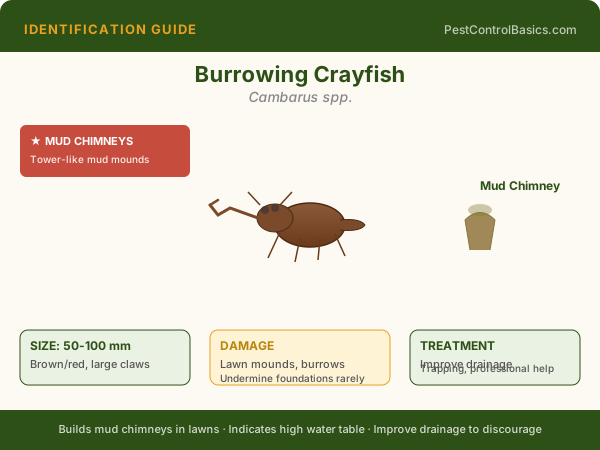
Illustrated identification guide — PestControlBasics.com
🔍 Identification
Burrowing crayfish: similar appearance to aquatic crayfish (lobster-shaped); 50-100mm; brown to reddish; found underground in lawns and fields with high water table or seasonally saturated soil. Their telltale sign: mud chimneys (2-3 inch tall cylindrical mud towers) at burrow entrances. Often found in clusters near moist areas.
🧬 Biology & Behavior
Burrowing crayfish live in networks of underground tunnels that extend to the water table — they need moist soil connection to water to survive. The chimneys are constructed when crayfish emerge at the soil surface and are more common during and after wet weather. They're native throughout the eastern and central US.
⚠️ Damage & Health Risk
Cosmetic damage from mud chimneys in lawns; possible minor root disruption from tunneling; damage to golf course greens and sports turf; no structural damage to buildings; no harm to humans or pets.
🔧 DIY Treatment
Improving soil drainage (French drains, soil amendments) reduces the habitat. Core aeration and topdressing on sports turf can minimize chimney impacts. No effective chemical control — focus on habitat modification.
👷 When to Call a Pro
Golf course agronomists and sports turf managers have specific protocols for managing burrowing crayfish impacts on playable surfaces.