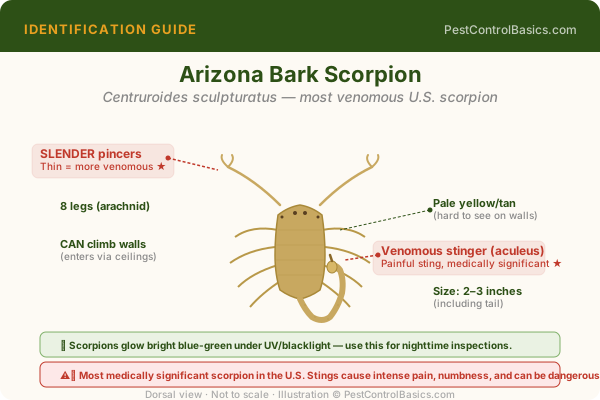
Original illustration by PestControlBasics.com. Use anatomical labels above to confirm your identification.
🔍 Identification
Desert Hairy Scorpion (Hadrurus arizonensis): Largest North American scorpion — up to 5.5 inches. Yellow/tan body covered in brown hairs. Broad, robust tail. Found in AZ, CA, NV desert regions.
Striped Bark Scorpion (Centruroides vittatus): 2-3 inches; two parallel dark stripes on the yellowish/tan back — the key ID feature. Widely distributed: TX, OK, KS, NM, and surrounding states. Most common scorpion in the US by range.
Arizona Bark Scorpion (dangerous): Smaller, slender, light straw/yellow, NO stripes, very slender tail. If in doubt between bark species, assume bark scorpion risk.
🧬 Biology & Behavior
All scorpions are nocturnal predators of insects, other scorpions, and small arthropods. Glow bright green/yellow under UV (blacklight) — useful for nighttime inspection and exclusion work. Enter structures seeking prey and moisture, especially during hot dry periods.
⚠️ Damage & Health Risk
Desert hairy scorpion sting: painful but not medically significant for healthy adults — similar to a bee sting. Striped bark scorpion sting: more painful, localized symptoms lasting hours, not dangerous to healthy adults but may cause significant symptoms in small children or those with sensitivities.
🔧 DIY Treatment
Seal all exterior gaps (scorpions can enter through surprisingly small gaps). Install door sweeps. Remove wood piles and debris near foundation. Apply bifenthrin perimeter treatment. Use blacklight flashlight for nighttime inspection. Wear shoes in scorpion territory — inside and outside.
👷 When to Call a Pro
For Arizona bark scorpion-heavy areas, professional monthly treatment is the standard recommendation.