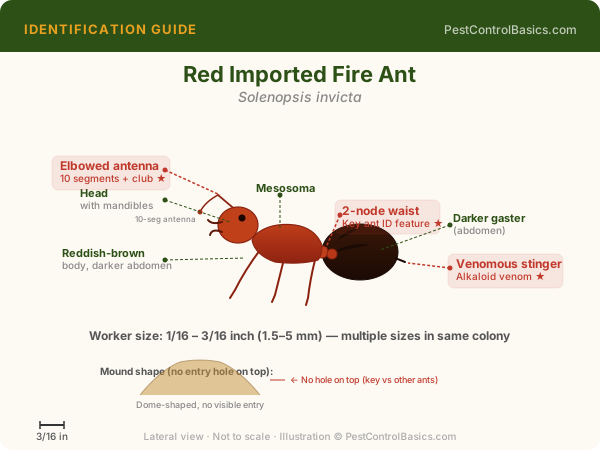
Original illustration by PestControlBasics.com. Use anatomical labels above to confirm your identification. For photo references, see the identification section below.
🔍 Identification
Fire ant stings are unique: each ant grabs the skin with its mandibles and pivots, stinging multiple times in a circular pattern. Each sting produces immediate intense burning pain followed by a white fluid-filled pustule within 8-24 hours. The pustule is filled with venom-derived fluid — not pus from infection. These pustules are distinctive and confirm fire ant stings.
🧬 Biology & Behavior
Normal reaction: immediate intense burning and pain; swelling and redness around sting sites; white pustule formation within 24 hours; itching persisting for 3-7 days. Fire ant venom contains unique alkaloids (solenopsin) that cause the distinctive tissue reaction.
⚠️ Damage & Health Risk
For most people: painful for hours, itchy for days. The pustules may become infected if scratched open. Potentially life-threatening for sensitized individuals — anaphylaxis can occur in people who've been stung previously and developed IgE-mediated sensitivity.
🔧 DIY Treatment
Immediate: Leave the area to avoid additional stings. Remove ants by brushing (not squeezing — squeezing releases more venom). Wash sting sites with soap and water. Apply cold compress for pain relief. OTC antihistamines and hydrocortisone cream for itch relief.
Do not pop pustules — this risks secondary bacterial infection.
👷 When to Call a Pro
Emergency (call 911): Hives or rash spreading beyond sting area; throat tightening, difficulty swallowing; shortness of breath or wheezing; dizziness, fainting, or drop in blood pressure; nausea and vomiting developing quickly after stings. These are signs of anaphylaxis — give epinephrine (EpiPen) if available and call 911 immediately.