πŸ₯ Fire Ant Sting Treatment Guide

Solenopsis invicta Β· Medical Response Guide

Fire ant stings are intensely painful and produce distinctive white fluid-filled pustules. For most people they're painful but manageable β€” but for sensitized individuals, they can be life-threatening. Know the difference.

MedicalFire AntStingEmergencyAnaphylaxisFirst Aid
πŸ₯
Risk Level
Medical Response
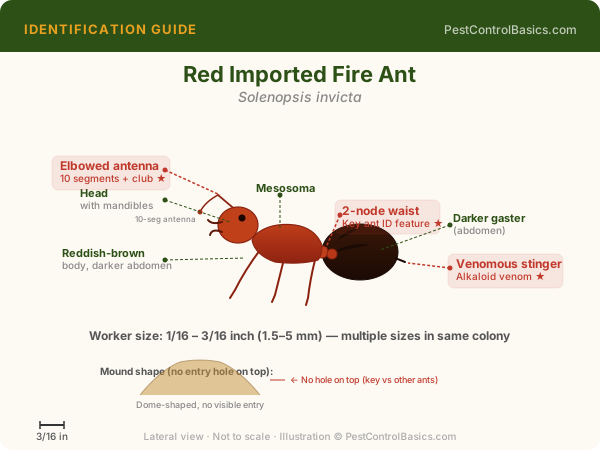
πŸ“ FIELD GUIDE ILLUSTRATION
Red imported fire ant (Solenopsis invicta) identification illustration with labeled anatomical features β€” PestControlBasics.com

Original illustration by PestControlBasics.com. Use anatomical labels above to confirm your identification. For photo references, see the identification section below.

πŸ”¬
PestControlBasics Editorial Team
Reviewed by Derek Giordano Β· Updated 2026

πŸ” Identification

Fire ant stings are unique: each ant grabs the skin with its mandibles and pivots, stinging multiple times in a circular pattern. Each sting produces immediate intense burning pain followed by a white fluid-filled pustule within 8-24 hours. The pustule is filled with venom-derived fluid β€” not pus from infection. These pustules are distinctive and confirm fire ant stings.

🧬 Biology & Behavior

Normal reaction: immediate intense burning and pain; swelling and redness around sting sites; white pustule formation within 24 hours; itching persisting for 3-7 days. Fire ant venom contains unique alkaloids (solenopsin) that cause the distinctive tissue reaction.

⚠️ Damage & Health Risk

For most people: painful for hours, itchy for days. The pustules may become infected if scratched open. Potentially life-threatening for sensitized individuals β€” anaphylaxis can occur in people who've been stung previously and developed IgE-mediated sensitivity.

πŸ”§ DIY Treatment

Immediate: Leave the area to avoid additional stings. Remove ants by brushing (not squeezing β€” squeezing releases more venom). Wash sting sites with soap and water. Apply cold compress for pain relief. OTC antihistamines and hydrocortisone cream for itch relief.

Do not pop pustules β€” this risks secondary bacterial infection.

πŸ‘· When to Call a Pro

Emergency (call 911): Hives or rash spreading beyond sting area; throat tightening, difficulty swallowing; shortness of breath or wheezing; dizziness, fainting, or drop in blood pressure; nausea and vomiting developing quickly after stings. These are signs of anaphylaxis β€” give epinephrine (EpiPen) if available and call 911 immediately.

❓ FAQ

How do I know if I'm having an allergic reaction to fire ants?
Normal reactions are local: pain, swelling, redness, and pustules at sting sites. Anaphylactic reactions are systemic: widespread hives, throat tightening, breathing difficulty, dizziness, or collapse. Symptoms starting within 10-30 minutes of stings are most concerning. Any difficulty breathing requires immediate 911 call.
Should I pop fire ant pustules?
No β€” fire ant pustules contain sterile venom-derived fluid. Leaving them intact is safest. Popping pustules creates an open wound that can become infected with bacteria. The pustule fluid itself is not infectious but scratching or popping creates infection risk.

πŸ“š More on This Topic

Related guides and profiles:

πŸ”— Hantavirus β€” Safe Rodent CleanupπŸ”— Red ImportedFire AntπŸ”— Pavement, Odorous House, Argentine & Little Black AntsπŸ”— 🐜 Odorous House Ant (OHA)
πŸ“š Sources: Texas A&M Fire Ant Project Β· EPA Safe Pest Control
Published: Jan 1, 2025 Β· Updated: Apr 7, 2026
🧪 Recommended Treatment Products
Ant Bait Guide Fipronil (Termidor) Borax vs Boric Acid Indoxacarb (Advion)
Full product guides with mixing rates and safety info. → Browse All 130 Pesticide Guides

πŸ—ΊοΈ US Distribution β€” Fire Ant Sting

image/svg+xml
Common Occasional Not Present
States Present
10
Occasional
7
Primary Region
Gulf Coast & Deep South
πŸ“Š Source: University extension services, USDA, CDC vector data, and published entomological surveys.