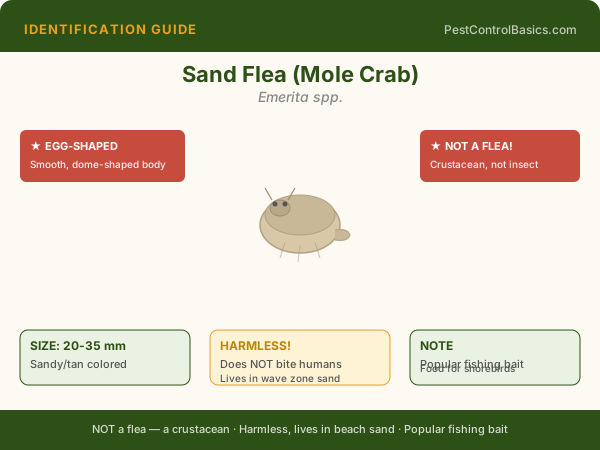
Illustrated identification guide — PestControlBasics.com
🔍 Identification
Option 1 — Chigoe flea (Tunga penetrans): True flea; burrows into feet and toes; causes tungiasis; tropics only — not in continental US. Option 2 — Sand crab / mole crab (Emerita): Small crustacean in surf zone; harmless; doesn't bite. Option 3 — Biting midges / no-see-ums (Culicoides): Most common cause of 'sand flea bites' in US; tiny biting flies near sand; leave intensely itchy welts. Option 4 — Cat flea or dog flea: Actual fleas picked up from beach-visiting pets or wildlife.
🧬 Biology & Behavior
In the continental US, 'sand flea bites' are almost always biting midges (no-see-ums) or actual cat/dog fleas — not chigoe fleas (which require tropical regions). No-see-ums breed in wet organic material at beach margins and bite exposed skin, leaving clusters of intensely itchy welts that persist 1-2 weeks. The bites appear differently than mosquito bites — smaller, more intensely itchy, often in clusters on ankles and lower legs.
⚠️ Damage & Health Risk
Intensely itchy bite clusters (midges); secondary infection from scratching; psychological concern; tungiasis (burrowing chigoe flea — tropics only).
🔧 DIY Treatment
For midge bites: DEET or picaridin before beach exposure; wear light-colored clothing covering ankles; avoid beach at dawn/dusk when midges peak; fan creates enough airflow to prevent landing. For actual flea bites: treat pet and environment as standard flea protocol.
👷 When to Call a Pro
Never warranted for midge bites specifically — prevention through repellent is the approach.