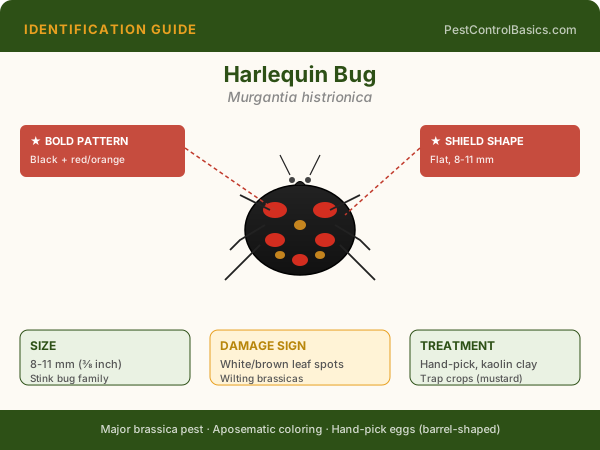
Illustrated identification guide — PestControlBasics.com
🔍 Identification
Adults: 9-11mm; jet black with vivid red-orange markings — completely unmistakable. Shield-shaped body (stink bug family). Eggs: small barrel-shaped with black and white stripes, in rows on leaf undersides. Nymphs: similar bold pattern, developing over 5 instars. Found on: all brassicas (cabbage, broccoli, kale, collards, mustard), and occasionally beans. Range: primarily southeastern US.
🧬 Biology & Behavior
Inject toxic saliva that wilts and kills plant tissue rapidly. Overwinters as adult in plant debris. Two generations in the South. Extremely foul-tasting to birds and predators — natural biological control is minimal. Adults have thick cuticle making pyrethroid sprays less effective than on many other insects.
⚠️ Damage & Health Risk
Rapid plant wilting and death from toxic saliva; complete crop loss in heavy infestations; particularly destructive to fall brassica crops; difficult to control with standard contact sprays.
🔧 DIY Treatment
Hand-pick adults and egg masses wearing gloves — most reliable control. Remove plant debris in fall to destroy overwintering sites. Row cover installed before egg-laying. Pyrethrin spray effective on nymphs; adults more resistant. Plant resistant varieties.
👷 When to Call a Pro
For commercial production: pyrethroid or carbaryl applications timed to nymph emergence before adults develop.