πŸ› Squash Bug

Anasa tristis Β· Hemiptera: Coreidae

Squash bugs have developed remarkable pesticide tolerance. Most garden insecticides have little effect on adults β€” targeting eggs and young nymphs is the only reliable strategy.

True BugSquash BugCoreidaeGarden PestCucurbitPesticide Tolerant
πŸ›
Risk Level
Vegetable Garden Pest
πŸ“ FIELD GUIDE ILLUSTRATION
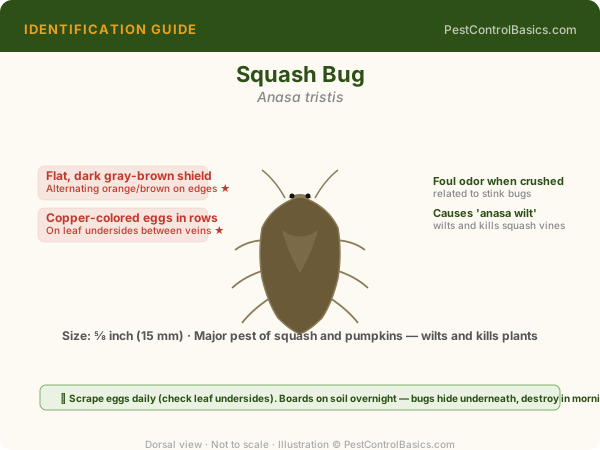
Squash bug (Anasa tristis) identification illustration with labeled anatomical features β€” PestControlBasics.com

Original illustration by PestControlBasics.com. Use the labeled features above to confirm your identification.

πŸ”¬
PestControlBasics Editorial Team
Reviewed by Derek Giordano Β· Updated 2026

πŸ” Identification

Adults: 16-18mm; flat; brown-grey; shield-shaped; unpleasant odor when crushed. Eggs: bronze, laid in clusters of 15-40 on the underside of squash leaves, arranged in neat rows. Nymphs: light green when young, becoming grey-brown with age. Found specifically on squash, pumpkins, cucumbers, and other cucurbits β€” rarely found on other plants.

🧬 Biology & Behavior

Adult squash bugs overwinter in debris, boards, and bark near the garden. They emerge in spring when squash vines begin growing and mate on the host plant. Eggs are laid in June-July in orderly clusters on leaf undersides β€” these are the target stage for control. Adults have a waxy cuticle and behavioral adaptations (hiding under vines during daylight) that make them extremely difficult to kill with contact insecticides. Nymphs are significantly easier to kill than adults.

⚠️ Damage & Health Risk

Wilting and vine death from feeding damage (inject toxic saliva that blocks water transport); complete crop loss in heavy infestations; squash vine borer confusion (both cause wilting but different mechanisms).

πŸ”§ DIY Treatment

Find and destroy egg clusters under leaves β€” check every 3 days during June-July. Trap adults under boards overnight and destroy in the morning. Kaolin clay applied to undersides of leaves deters egg laying. For young nymphs: pyrethrin spray is effective. Row cover early in season prevents adult access to plants for egg laying.

πŸ‘· When to Call a Pro

Spinosad spray on young nymphs is the most effective chemical treatment β€” adults are largely resistant to most registered pesticides.

❓ FAQ

Why doesn't my garden spray kill squash bugs?
Adult squash bugs have developed significant pesticide tolerance β€” most pyrethroid and organophosphate sprays have minimal effect on healthy adults. The only effective chemical control window is on eggs (physically crush or spray directly) and young nymphs before their cuticle fully hardens. Adults disturbed by spray simply walk away and resume feeding.
How do I tell squash bug damage from squash vine borer damage?
Both cause wilting but the mechanism differs: squash vine borer causes localized wilting from a specific vine section (cut the vine to find the caterpillar inside). Squash bug causes more general wilting as the toxic saliva spreads through the plant. Find the cause: check under leaves for squash bugs (flat, shield-shaped adults) or look for entry holes with frass at the base of vines (vine borer).
πŸ“š Sources: EPA Cockroach Control Β· CDC Cockroach Allergens
Published: Jan 1, 2025 Β· Updated: Apr 7, 2026

πŸ—ΊοΈ US Distribution β€” Squash Bug

image/svg+xml
Common Occasional Not Present
States Present
49
Occasional
2
Primary Region
Continental US
πŸ“Š Source: University extension services, USDA, CDC vector data, and published entomological surveys.