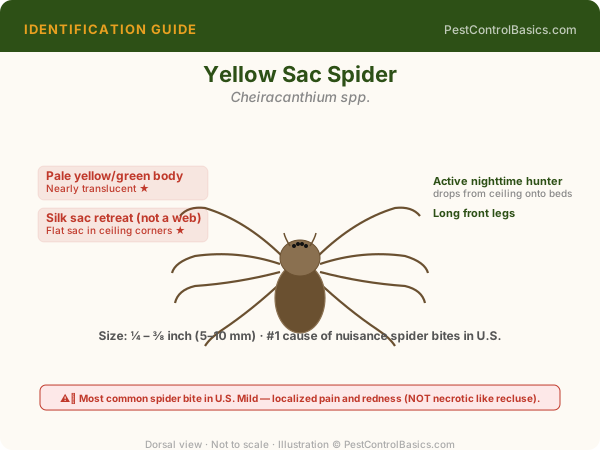
Original illustration by PestControlBasics.com. Use anatomical labels above to confirm your identification.
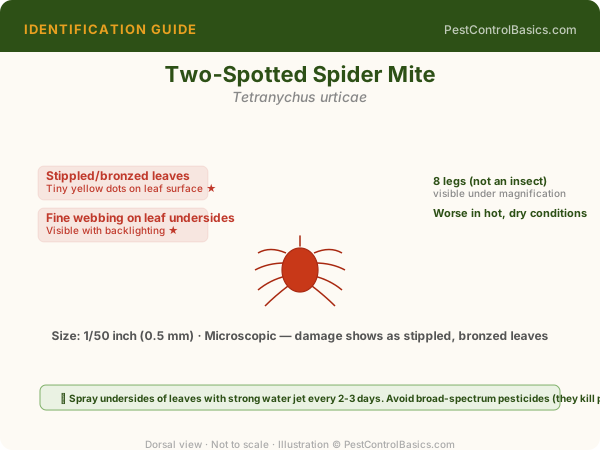
Original illustration by PestControlBasics.com. Use anatomical labels above to confirm your identification.
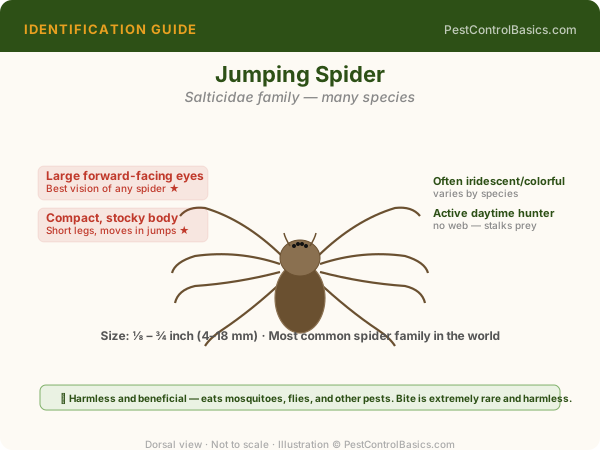
Original illustration by PestControlBasics.com. Use anatomical labels above to confirm your identification.
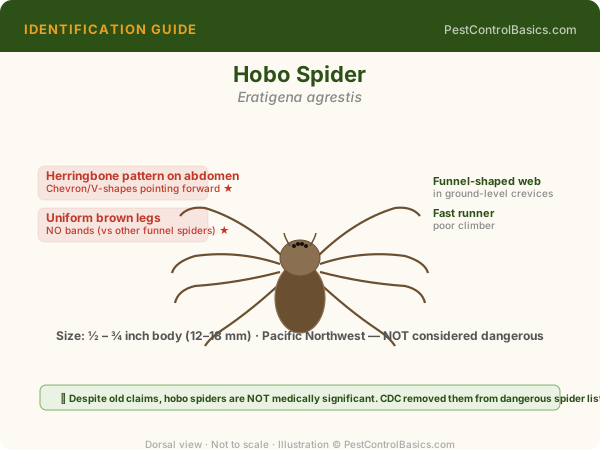
Original illustration by PestControlBasics.com. Use anatomical labels above to confirm your identification.
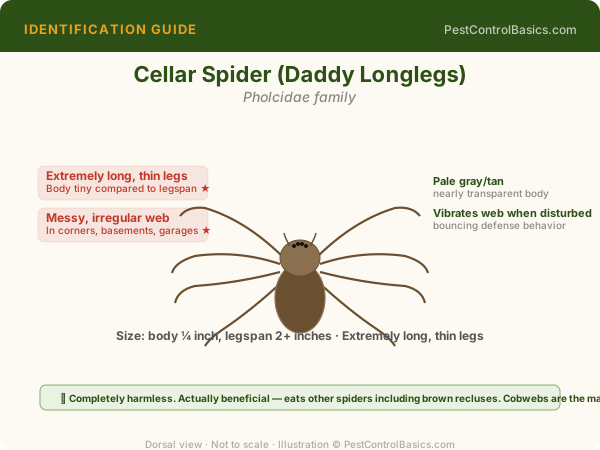
Original illustration by PestControlBasics.com. Use anatomical labels above to confirm your identification.
🔍 Identification
Adults: 8-14mm body; brown with chevron markings on abdomen; long legs; builds funnel-shaped sheet web with a retreat tube. Similar to many brown spiders — reliable identification requires microscopy. Found in western US (Pacific Northwest primarily) in ground-level locations, under debris, and occasionally indoors.
🧬 Biology & Behavior
The hobo spider was historically considered medically significant (necrotic bite risk) based on studies from the 1980s-90s. Subsequent research, including formal toxicological studies, failed to replicate the necrotic effects. Current consensus: hobo spider bites cause mild local pain and swelling — not significantly different from many common spider bites. CDC removed it from its list of dangerous spiders.
⚠️ Damage & Health Risk
Mild bite — local pain and swelling that resolves within days. Current evidence does not support the historical claims of necrotic ulcers from hobo spider bites in healthy individuals.
🔧 DIY Treatment
Standard spider management: reduce clutter, apply residual bifenthrin to ground-level harborage, sticky trap monitors. No special treatment needed beyond standard spider control.
👷 When to Call a Pro
Rarely warranted specifically for hobo spiders.