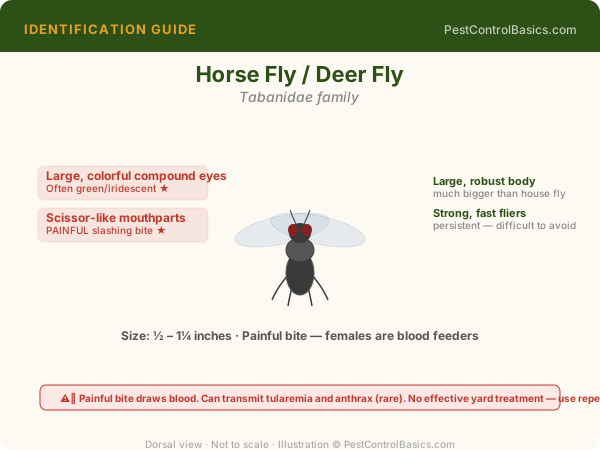
Original illustration by PestControlBasics.com. Use the labeled features above to confirm your identification.
🔍 Identification
Horse Fly (Tabanus): Large (20-30mm); grey-brown; large colorful compound eyes; scissor-like mouthparts that cut skin; stealthy approach. Deer Fly (Chrysops): Smaller (7-11mm); dark bands on wings; yellow/green eyes; circles head repeatedly before biting. Both are daytime biters; both only females bite (need blood protein).
🧬 Biology & Behavior
Larvae develop in aquatic or semi-aquatic environments. Adults emerge in summer (June-August peak). Primarily attracted to large moving objects, dark colors, and carbon dioxide. DEET has poor efficacy against tabanids — they often bite right through treated skin. Most attracted to waterside areas, marshes, and areas with large mammals.
⚠️ Damage & Health Risk
Intensely painful bites (scissor-like mouthparts cut rather than pierce); potential transmission of equine infectious anemia and other livestock diseases; psychological impact near water recreation areas.
🔧 DIY Treatment
Wear light-colored clothing (dark colors attract more flies). Blue sticky sphere traps ('H-Traps' or Manitoba traps) are highly effective at reducing adult populations near outdoor recreation areas. Head nets when exposure is unavoidable. Move quickly when being pursued — deer flies in particular will lose a fast-moving target. DEET is minimally effective but picaridin may work marginally better.
👷 When to Call a Pro
Professional larviciding of breeding areas near recreational facilities can reduce adult populations significantly.