Original illustration by PestControlBasics.com. Use anatomical labels above to confirm your identification.
Original illustration by PestControlBasics.com. Use anatomical labels above to confirm your identification.
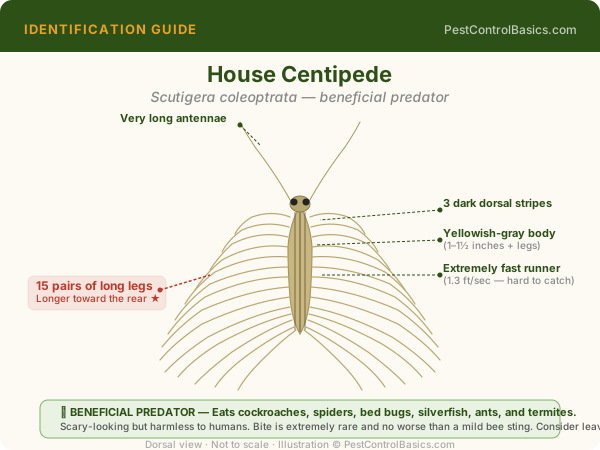
Original illustration by PestControlBasics.com. Use anatomical labels above to confirm your identification.
🔍 Identification
25-38mm body; 15 pairs of extremely long banded legs; moves at astonishing speed (1.3 feet per second); large compound eyes; yellowish-grey with dark longitudinal stripes. Most often seen running on walls and floors at night, or found in bathtubs (fell in and can't climb out). Immediately distinctive from all other house pests by the extremely long, banded legs radiating from a flattened body.
🧬 Biology & Behavior
House centipedes are cosmopolitan — found on every continent. They're nocturnal predators that hunt cockroaches, silverfish, carpet beetle larvae, flies, spiders, and virtually any other arthropod in the home. They can live 3-7 years. They're venomous (paralytic venom for prey) but virtually never bite humans, and their small jaw force makes penetrating human skin nearly impossible. Finding them in large numbers indicates a significant prey insect population — they're a symptom indicator.
⚠️ Damage & Health Risk
Psychological disturbance. Extremely rare bites if directly handled — mild, brief local pain. Zero structural or food damage.
🔧 DIY Treatment
For most people the right answer is: let them be. They're hunting the pests you don't want. If elimination is required: dehumidify (they need moisture); seal cracks in the basement and bathroom; apply CimeXa in baseboards (kills them and reduces prey availability).
👷 When to Call a Pro
Never warranted — highly beneficial predator that indicates and reduces other pest populations.