πŸ› House Centipede

Scutigera coleoptrata Β· Chilopoda: Scutigeridae

House centipedes trigger extreme reactions in most people β€” but they hunt cockroaches, silverfish, ants, and spiders. Consider carefully before killing them.

CentipedeBeneficialChilopodaFastPredatorHarmless
πŸ›
Risk Level
Beneficial Predator
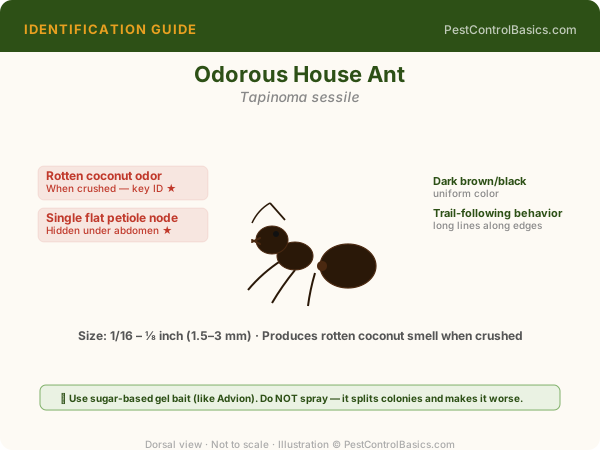
πŸ“ FIELD GUIDE ILLUSTRATION
Odorous House Ant (Tapinoma sessile) identification illustration with labeled anatomical features β€” PestControlBasics.com

Original illustration by PestControlBasics.com. Use anatomical labels above to confirm your identification.
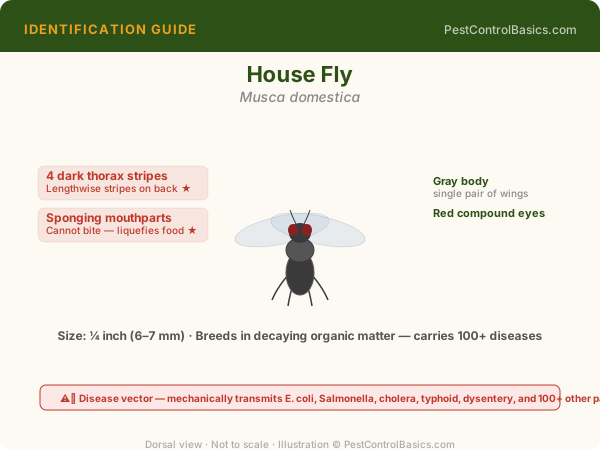
πŸ“ FIELD GUIDE ILLUSTRATION
House Fly (Musca domestica) identification illustration with labeled anatomical features β€” PestControlBasics.com

Original illustration by PestControlBasics.com. Use anatomical labels above to confirm your identification.
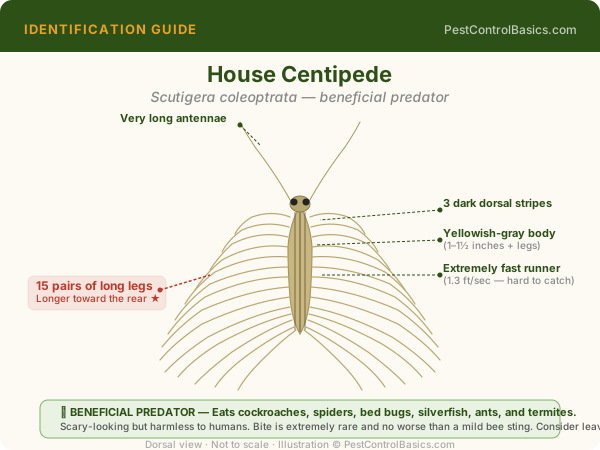
πŸ“ FIELD GUIDE ILLUSTRATION
House centipede (Scutigera coleoptrata) identification illustration with labeled anatomical features β€” PestControlBasics.com

Original illustration by PestControlBasics.com. Use anatomical labels above to confirm your identification.

πŸ”¬
PestControlBasics Editorial Team
Reviewed by Derek Giordano Β· Updated 2026

πŸ” Identification

25-38mm body; 15 pairs of extremely long banded legs; moves at astonishing speed (1.3 feet per second); large compound eyes; yellowish-grey with dark longitudinal stripes. Most often seen running on walls and floors at night, or found in bathtubs (fell in and can't climb out). Immediately distinctive from all other house pests by the extremely long, banded legs radiating from a flattened body.

🧬 Biology & Behavior

House centipedes are cosmopolitan β€” found on every continent. They're nocturnal predators that hunt cockroaches, silverfish, carpet beetle larvae, flies, spiders, and virtually any other arthropod in the home. They can live 3-7 years. They're venomous (paralytic venom for prey) but virtually never bite humans, and their small jaw force makes penetrating human skin nearly impossible. Finding them in large numbers indicates a significant prey insect population β€” they're a symptom indicator.

⚠️ Damage & Health Risk

Psychological disturbance. Extremely rare bites if directly handled β€” mild, brief local pain. Zero structural or food damage.

πŸ”§ DIY Treatment

For most people the right answer is: let them be. They're hunting the pests you don't want. If elimination is required: dehumidify (they need moisture); seal cracks in the basement and bathroom; apply CimeXa in baseboards (kills them and reduces prey availability).

πŸ‘· When to Call a Pro

Never warranted β€” highly beneficial predator that indicates and reduces other pest populations.

❓ FAQ

Do house centipedes bite?
House centipedes can theoretically bite if directly grabbed and pressed against skin, but their jaws are small and the bite is very minor. In practice, they flee from humans at maximum speed and biting is extraordinarily rare. There are no serious injury reports from house centipede bites in the medical literature.
Does finding house centipedes mean I have other pests?
Yes β€” house centipedes track prey populations. Seeing more house centipedes than usual often means cockroach, silverfish, or other prey insect populations are elevated. Treating the underlying prey insect issue reduces centipede numbers more sustainably than direct centipede treatment.

πŸ—ΊοΈ Geographic Range & Distribution

FactorDetails
U.S. RangeAll or most U.S. states
Regional DetailDistribution varies β€” consult your local extension service for regional prevalence data.

πŸ“… Treatment Timing Guide

Treating at the right time dramatically improves results. Pest control timed to the life cycle uses less product and achieves better long-term control.

PeriodAction
SpringInspection and perimeter treatment before pest season starts.
SummerActive monitoring and targeted treatments as needed.
FallPreventive treatment before overwintering pests seek entry.

πŸ’° Professional Treatment Costs

Service TypeDIY CostProfessional Cost
Initial inspectionFree (self-inspect)$75–$150 (often credited to treatment)
One-time treatment$30–$100 in materials$150–$500
Annual service contractN/A$400–$900/year
Severe infestationOften ineffective alone$500–$2,500+

Prices vary by region, property size, and infestation severity.

❓ Common Questions About πŸ› House Centipede

How do I confirm I actually have this pest (not something similar)?
The most reliable confirmation is a physical specimen β€” capture one and compare to reference images on this page. For cryptic pests (bed bugs, termites), look for secondary signs: frass, shed skins, mud tubes, or bites with a specific pattern. When uncertain, a professional inspection is faster than months of misidentification.
Can I treat this myself or do I need a professional?
DIY is effective for small, accessible infestations caught early. Professionals are worth the cost when: the infestation is inside wall voids or structural elements, multiple rooms are affected, you have health-risk pests (hantavirus, venomous species), or DIY has already failed twice.
How long until the infestation is completely gone?
Expect 3–8 weeks for most infestations with proper treatment. Insects with dormant life stages (pupae, eggs) extend the timeline because those stages are impervious to most insecticides. Follow-up treatments at 2 and 4 weeks catch each new cohort as they emerge.
What's the most common mistake people make treating this pest?
Treating only the visible pest population while ignoring the harborage site, entry point, or breeding location. Killing adults provides temporary relief but the population rebuilds from hidden egg cases, pupae, or new arrivals through unaddressed entry points.
🧪 Recommended Treatment Products
Bifenthrin Diatomaceous Earth IPM Guide
Full product guides with mixing rates and safety info. → Browse All 130 Pesticide Guides
πŸ“š Sources: EPA Termite Guide Β· NPMA Termite Info
Published: Jan 1, 2025 Β· Updated: Apr 7, 2026

πŸ—ΊοΈ US Distribution β€” House Centipede

image/svg+xml
Common Occasional Not Present
States Present
51
Occasional
0
Primary Region
All 50 states (indoor pest)
πŸ“Š Source: University extension services, USDA, CDC vector data, and published entomological surveys.