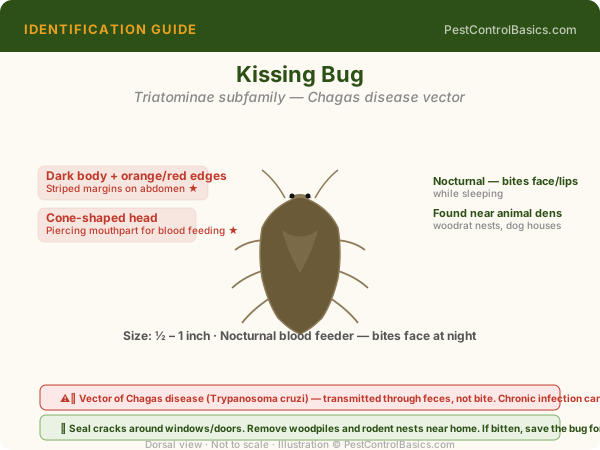
Original illustration by PestControlBasics.com. Use anatomical labels above to confirm your identification.
🔍 Identification
Adults: 18-30mm; dark brown to black; red or orange banding along abdomen sides; cone-shaped head; found near sleeping areas, in animal shelters, rock piles, and wood debris near structures. Bite humans at night near the mouth (the origin of 'kissing bug') or on exposed skin. Unlike stink bugs, Triatoma bites to feed on blood.
🧬 Biology & Behavior
Chagas transmission mechanism: the bug doesn't transmit disease through the bite itself — it defecates after feeding and the feces containing Trypanosoma cruzi are rubbed into the bite wound or eyes. Probability of transmission from a single bite is estimated at 1-2%. Chagas disease affects heart and digestive organs — the chronic phase begins years after initial infection. An estimated 300,000 Americans have Chagas disease, mostly undiagnosed because physicians rarely test for it. Range: Texas, New Mexico, Arizona, California, and increasingly documented in southern states to the east.
⚠️ Damage & Health Risk
Chagas disease (Trypanosoma cruzi) — cardiac complications, digestive complications, potentially fatal if untreated; bite reactions; psychological distress.
🔧 DIY Treatment
Seal foundation gaps and crevices around windows and doors. Reduce outdoor lighting near entry doors (Triatoma is attracted to light). Remove wood piles, rock piles, and animal shelters from close proximity to the structure. Report any suspected kissing bugs found inside to your county health department. If bitten: wash bite site with soap and water, do not scratch, consult a physician about Chagas testing.
👷 When to Call a Pro
If kissing bugs are repeatedly found inside: professional exclusion work and targeted residual spray in structural voids and entry areas.