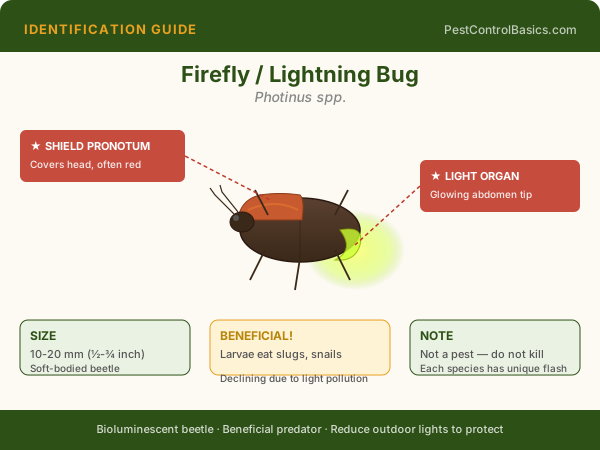
Illustrated identification guide — PestControlBasics.com
🔍 Identification
Fireflies require very specific conditions across their life cycle. Adults: open spaces for flash communication at dusk; tall grass or low-growing vegetation for females to perch and respond to male flashes. Larvae: moist leaf litter and undisturbed soil for 1-2 year larval development; they're predators of earthworms and snails in leaf litter.
🧬 Biology & Behavior
The specific yard changes that help: maintain a meadow-style lawn section with taller grass (4-6 inches); preserve leaf litter in garden bed edges (crucial larval habitat); eliminate or significantly reduce outdoor lighting during May-August (particularly 9pm-midnight when male flashing peaks); avoid all insecticide applications in lawn areas during firefly season.
⚠️ Damage & Health Risk
Not applicable — fireflies are beneficial and declining.
🔧 DIY Treatment
Reduce mowing frequency in at least part of the yard. Stop using lawn insecticides — they kill firefly larvae in the soil. Eliminate exterior lighting or switch to amber/red spectrum bulbs during May-August. Maintain leaf litter areas. Install a small water feature — fireflies need moist soil for larval development.
👷 When to Call a Pro
Not applicable — the professional that helps fireflies is the one who stops unnecessary lawn treatment.